Healthcare takes many forms in our lives, including the care we give one another.
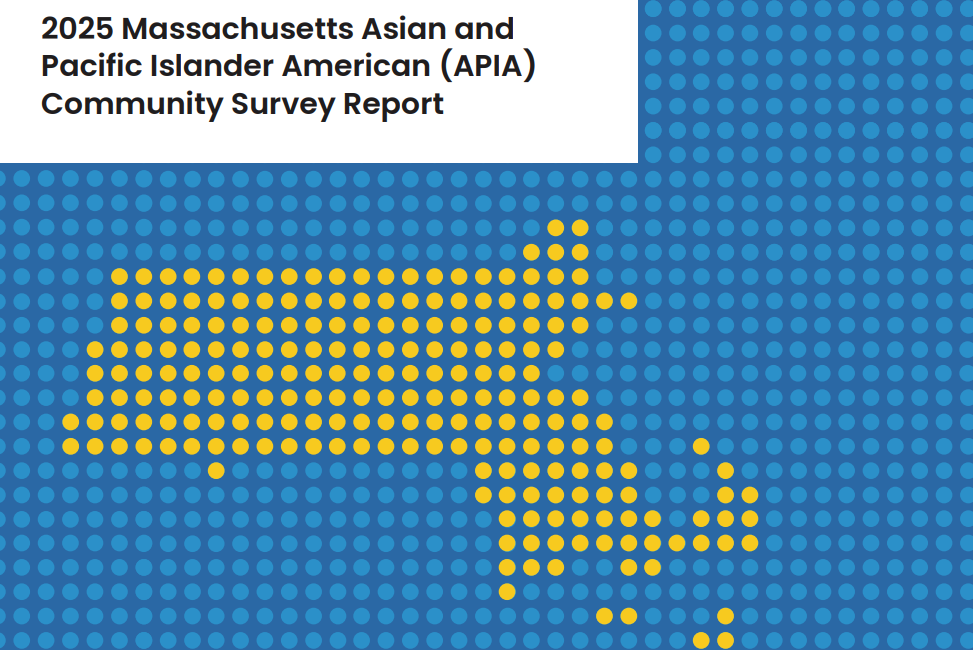
AAPIC’s 2025 No Longer Invisible survey offers a glimpse into the healthcare experiences of Massachusetts’ AAPI communities. While 4% of respondents named healthcare as one of the top issues facing Massachusetts, 28% reported difficulty affording healthcare and 26% reported difficulty affording health insurance.
Healthcare also touches daily life through the care families provide: helping an aging parent get to an appointment, supporting a loved one with a disability, or navigating health and social services for a family member.
In many AAPI families, this care is understood as part of being a daughter, son, spouse, or other family member—not necessarily as being a caregiver. These family and community bonds are a source of strength. Yet when caregiving goes unnamed, the people doing this work may be less likely to recognize themselves as caregivers or know what support is available. Their experiences can also be harder to capture in research and policy discussions about healthcare.
Bringing AAPI Caregiving Into Focus
This fall, Grace Macalino Schauf of Kapwa AllCare launched the Asian Caregiving Coalition, bringing people together to explore the experiences of Asian caregivers and how they can be better supported.
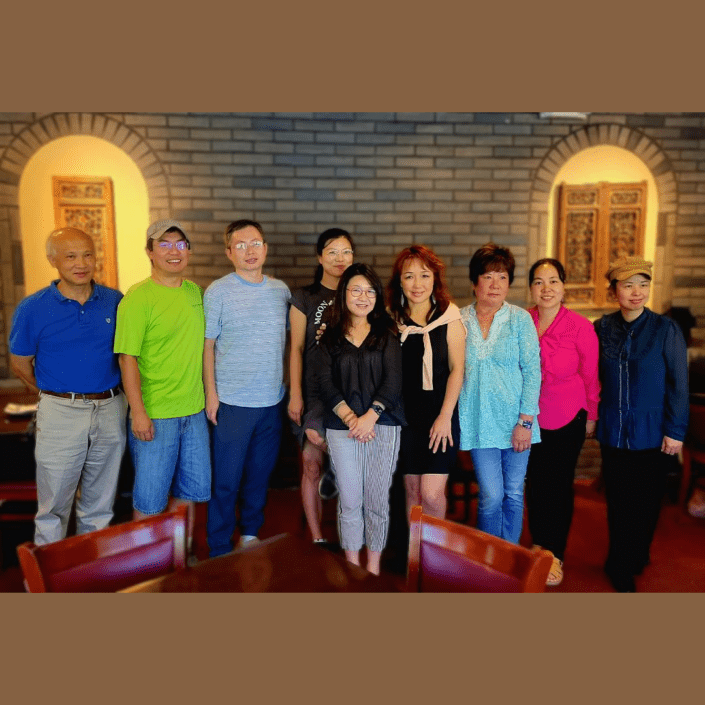
At the group’s first gathering on October 8, about 10 people—including caregivers, a representative from Home Instead, and a Family Caregiver Program Manager from the Maryland Department of Aging—shared their experiences and challenges. Participants spoke about social and emotional isolation, uncertainty about available resources, difficulty finding support, and feeling unprepared for the demands of caregiving.
There was broad agreement that Asian caregivers would benefit from greater access to education, guidance, referrals, and culturally and linguistically responsive services.
The emerging East Coast coalition plans to create an ongoing space to explore four connected areas: caregiver identification, culture, resources, and policy. The conversation will examine how people understand their roles as caregivers, how culture and family expectations shape those roles, how caregivers find support, and whether their experiences are reflected in policy and advocacy.
The coalition is still taking shape, with participants helping determine its priorities and direction. Its regional focus creates an opportunity to learn from experiences across communities while exploring the needs and perspectives of AAPI caregivers in Massachusetts.
Connecting Community Experience to Policy
These conversations are especially timely in Massachusetts. In August 2026, Governor Maura Healey signed a law to strengthen home care oversight and protections for older adults, people with disabilities, families, and care workers. The law also established a Family Caregiver Commission to study state caregiving efforts, including the feasibility of allowing spouses to serve as paid caregivers through MassHealth.
As Massachusetts considers how to support people who provide and receive care, the experiences of AAPI families belong in the conversation. Understanding how families define caregiving, where they encounter barriers to support, and what culturally and linguistically responsive resources they need can help identify opportunities to better support caregivers across the Commonwealth.
For AAPIC, conversations like these create opportunities to learn from the people and organizations working closest to caregiving issues. The Asian Caregiving Coalition can be a valuable thought partner, bringing expertise and perspectives that deepen our understanding of the experiences and needs of Asian caregivers.
We also welcome individuals, community organizations, and other coalitions to connect with AAPIC and share the issues they see affecting Massachusetts’ AAPI communities. What families are experiencing, where support is needed, and what changes could make a difference can help inform the issues AAPIC brings into state-level conversations and the policy opportunities we consider.
Community experiences and priorities help inform the issues AAPIC brings into state-level conversations and the policy opportunities we consider. We want to hear what families are experiencing, where support is needed, and what changes could make a difference.
Asian Caregiving Coalition (ACC) is a growing community of people interested in strengthening caregiving awareness, support, and collaboration across Asian communities.
Recognizing that everyone has different interests, capacities, and availability, ACC welcomes participation in whatever ways are meaningful and valuable to you.
If you want to join as well as offer times that work for you for a monthly call, fill out this survey by Friday, October 23.
Resource: View the Asian Caregiving Coalition kickoff slides
Addendum: CHTI Coalition Roster – A free statewide searchable database that makes it easier to find coalitions working towards healthier communities in MA