The dedication of the Caroline Chang Post Office honors a Boston Chinatown leader whose work helped generations of residents access healthcare, navigate government, and build a stronger Chinatown.
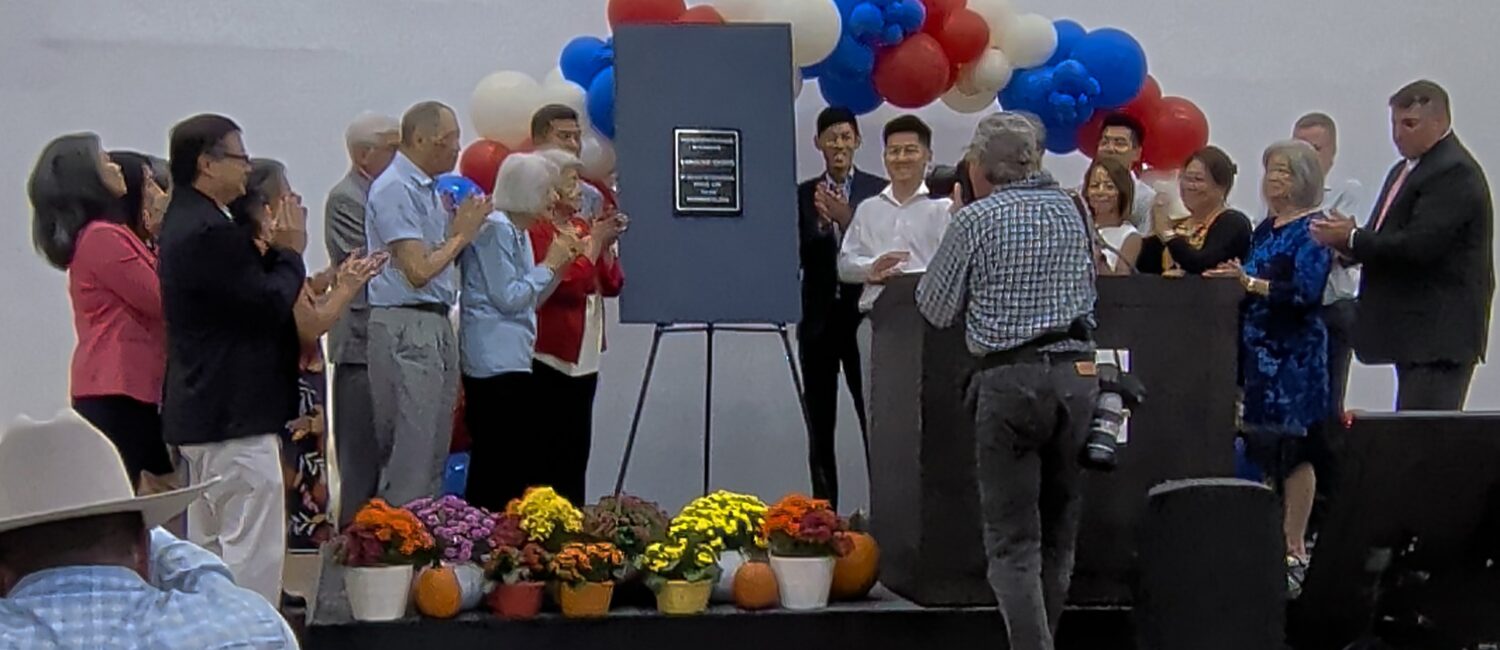
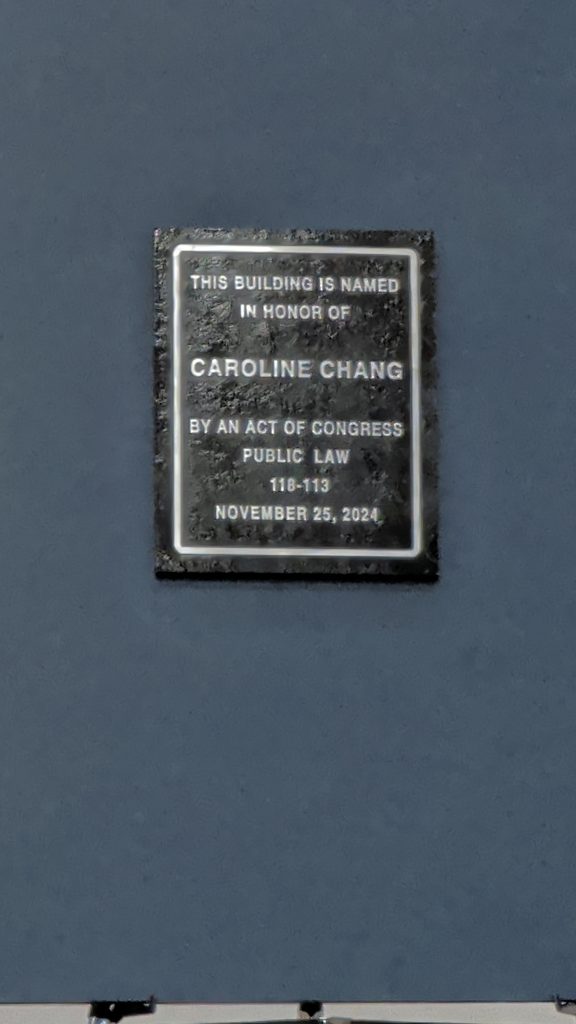
On September 10, 2026, community members and public officials gathered at the post office at 25 Dorchester Avenue in Boston to honor Caroline Chang. The dedication followed years of work by people who believed her contributions to Boston’s Chinatown and its Asian American communities deserved a permanent place in the city’s public history.
Chang spent much of her life helping people navigate systems that were not always built with them in mind. The organizations she helped establish continue to serve residents today, and Boston Mayor Michelle Wu spoke at the ceremony about how some of those institutions had touched her own family.
For AAPIC, the dedication was a chance to recognize Chang’s contributions and the community members who have worked to preserve her story.
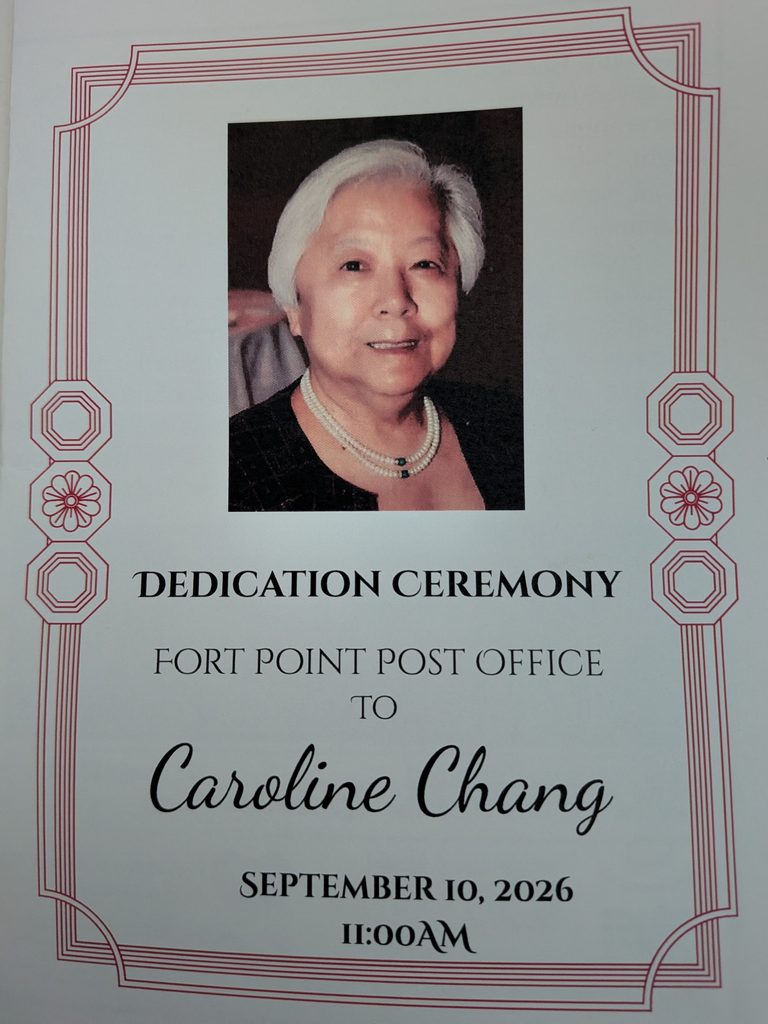
A life of service in Boston’s Chinatown
Born in Boston in 1940 to parents who immigrated from China’s Guangdong Province, Chang began helping people in her community at a young age. After her father died, she helped her mother navigate English-language settings. She also interpreted for Chinatown residents seeking medical care.
Those early experiences shaped her understanding of the barriers people face when language and unfamiliar systems stand between them and the services they need.
In 1970, Chang became manager of Chinatown’s Little City Hall, helping residents work with city government. She later earned a law degree and joined the U.S. Department of Health and Human Services’ Office for Civil Rights. In 1982, she became the office’s New England regional manager, making her the highest-ranking Asian American in the federal government in New England at the time.
Chang also helped establish organizations that became important parts of Boston’s AAPI community, including South Cove Community Health Center, the Asian American Civic Association, the Asian Community Development Corporation, the Chinese Historical Society of New England, and the Greater Boston Chinese Golden Age Center.
Their work reaches into many parts of daily life, from healthcare and housing to employment assistance, education, and cultural preservation.
The organizations that make a difference in people’s lives
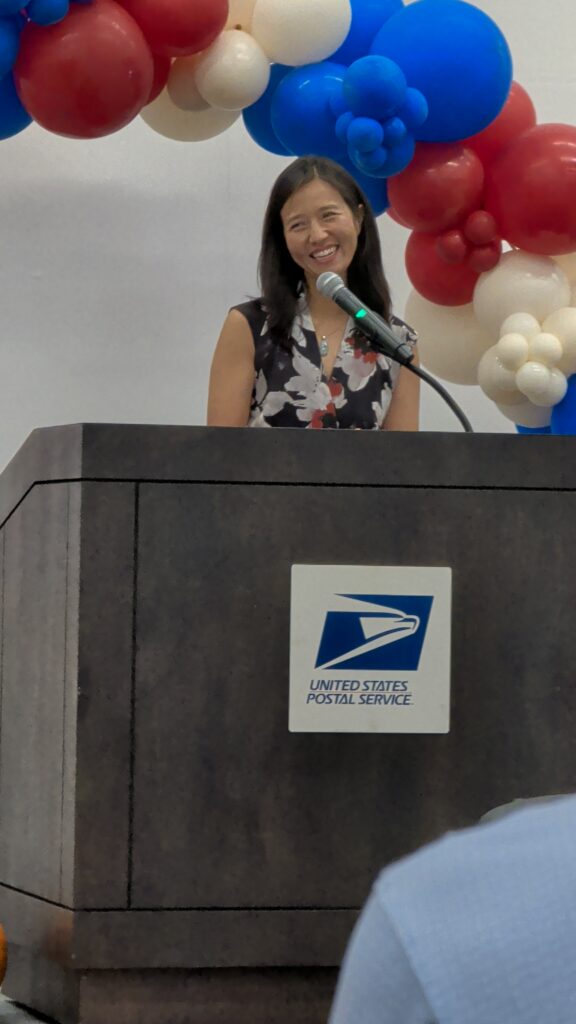
Mayor Michelle Wu brought Chang’s legacy close to home during the dedication. She spoke about her family’s experience with community organizations in Boston, including South Cove Community Health Center, where her mother received care.
South Cove was established to improve healthcare access for Asian communities, including people who face language barriers when seeking medical services. For patients and families, being able to communicate with healthcare providers and receive culturally responsive care can make a real difference in how they experience the healthcare system.
Wu’s remarks offered a personal example of why the organizations Chang helped build have mattered over time. Their work has reached people well beyond the generation that founded them, including families who may never have known Chang herself.
That is one reason her legacy remains relevant today. The institutions she helped build continue to meet needs that residents experience in their everyday lives.
The effort to honor Chang
The post office dedication came after years of advocacy by people who wanted Chang’s contributions to be more widely recognized.
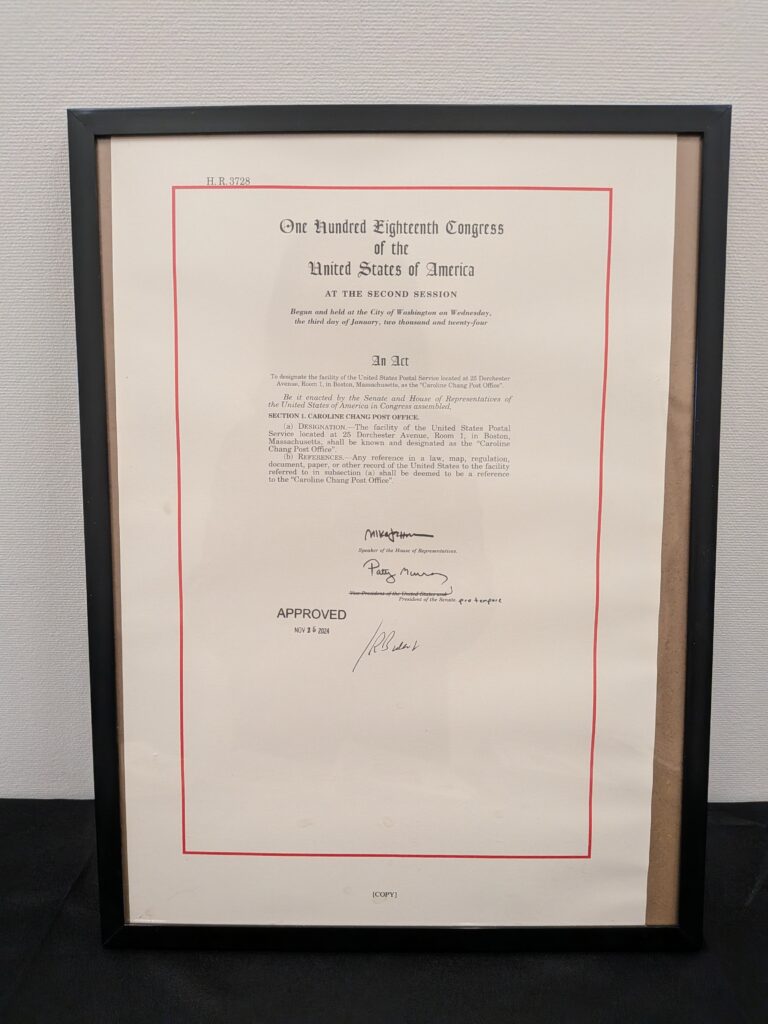
Suzanne Lee, a longtime Boston Chinatown organizer and founder of the Chinese Progressive Association, helped advance the effort to name the post office for Chang. Lee worked with Congresswoman Ayanna Pressley, who introduced legislation in 2023 to rename the facility at 25 Dorchester Avenue in Chang’s honor.
The bill passed the House in 2024 and was signed into law by President Joe Biden that November. The September 2026 ceremony marked the dedication of the building.
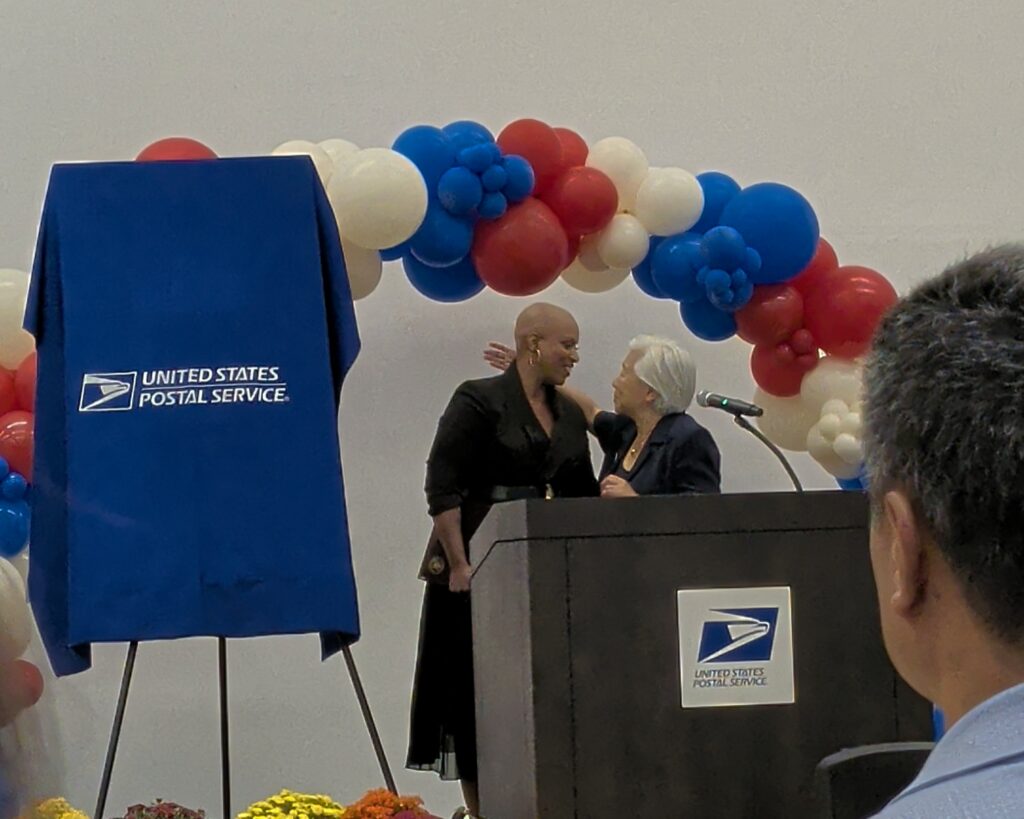
Pressley has spoken publicly about Chang’s work in civil rights and community organizing, and the institutions she helped create. The effort to name the post office for Chang also reflects the persistence of community advocates who worked to bring the proposal forward and secure congressional support.
For Lee and others who knew Chang’s work, the dedication offered a way to ensure that future generations would encounter her name and have an opportunity to learn about her contributions.
A place for her story in Massachusetts history
The post office is the first federal building in Massachusetts named for an AAPI individual. Its new name makes Chang’s history visible in a public place that people visit for ordinary reasons, whether they know her story or are learning about her for the first time.
That visibility matters. AAPI communities have long contributed to Massachusetts through public service, community organizing, and institution-building. Those contributions have not always received the same recognition in the Commonwealth’s public spaces and historical narratives.
Chang’s story gives residents a concrete way to see that history: through the organizations she helped build, the public systems she worked to make more accessible, and the people who continue to benefit from her efforts.
AAPIC works to bring the experiences and perspectives of Massachusetts’ diverse AAPI communities into state government and public life. Recognizing Chang’s legacy is part of acknowledging the people and community institutions that have helped shape the Commonwealth.
Her name now has a permanent place on a federal post office in Boston. The work she began continues through the organizations she helped establish and the people who rely on them today.
Explore the History
- Congresswoman Ayanna Pressley’s announcement of the Caroline Chang Post Office bill
- The official text of the Caroline Chang Post Office legislation
- South Cove Community Health Center’s history and mission
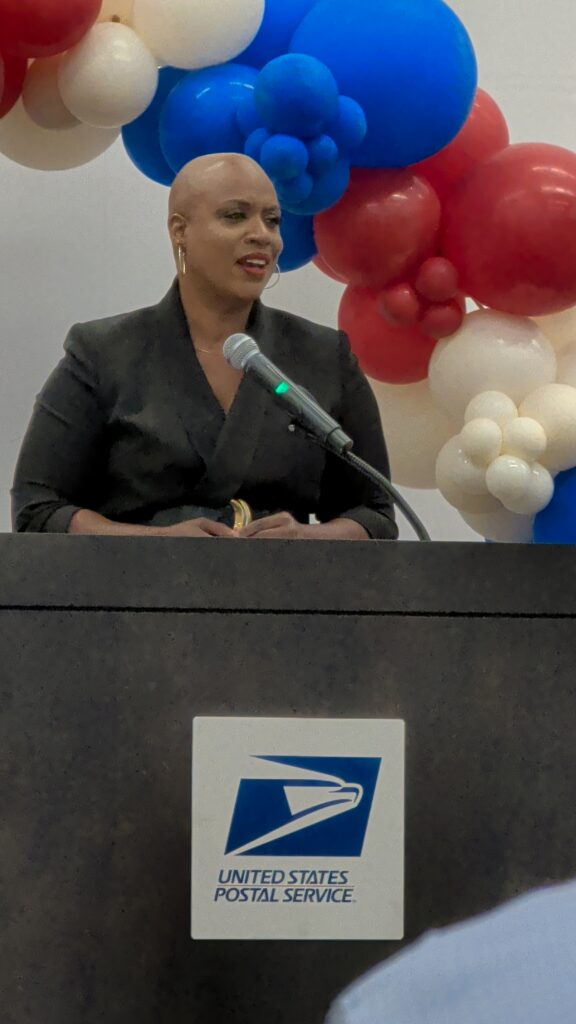
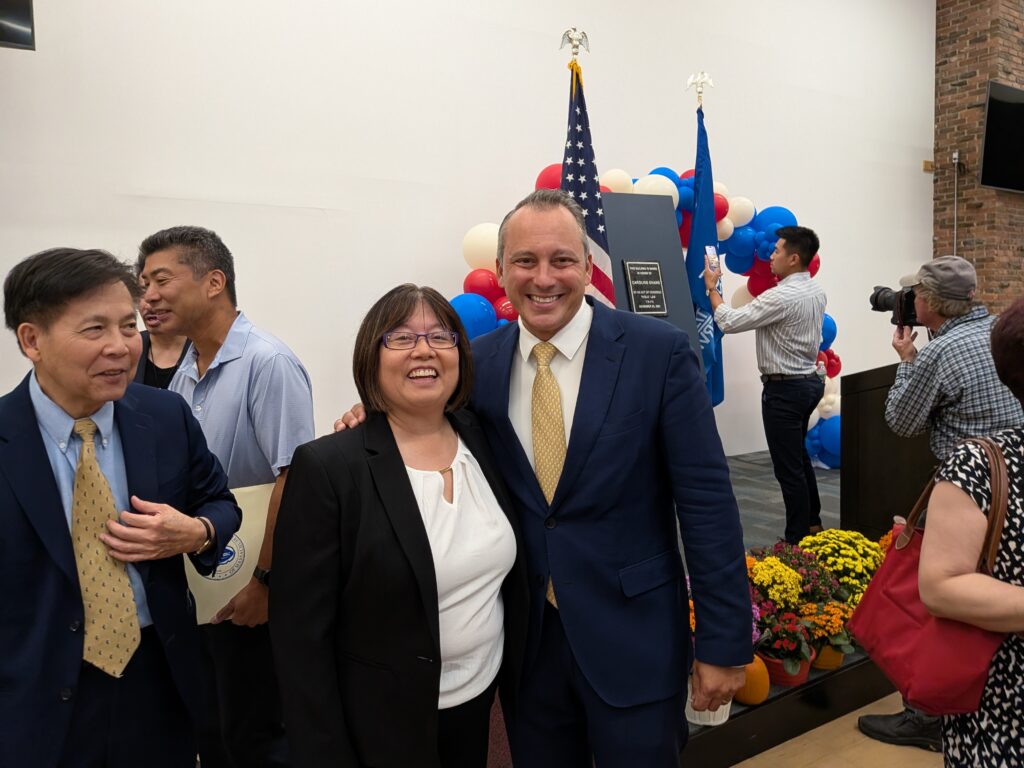
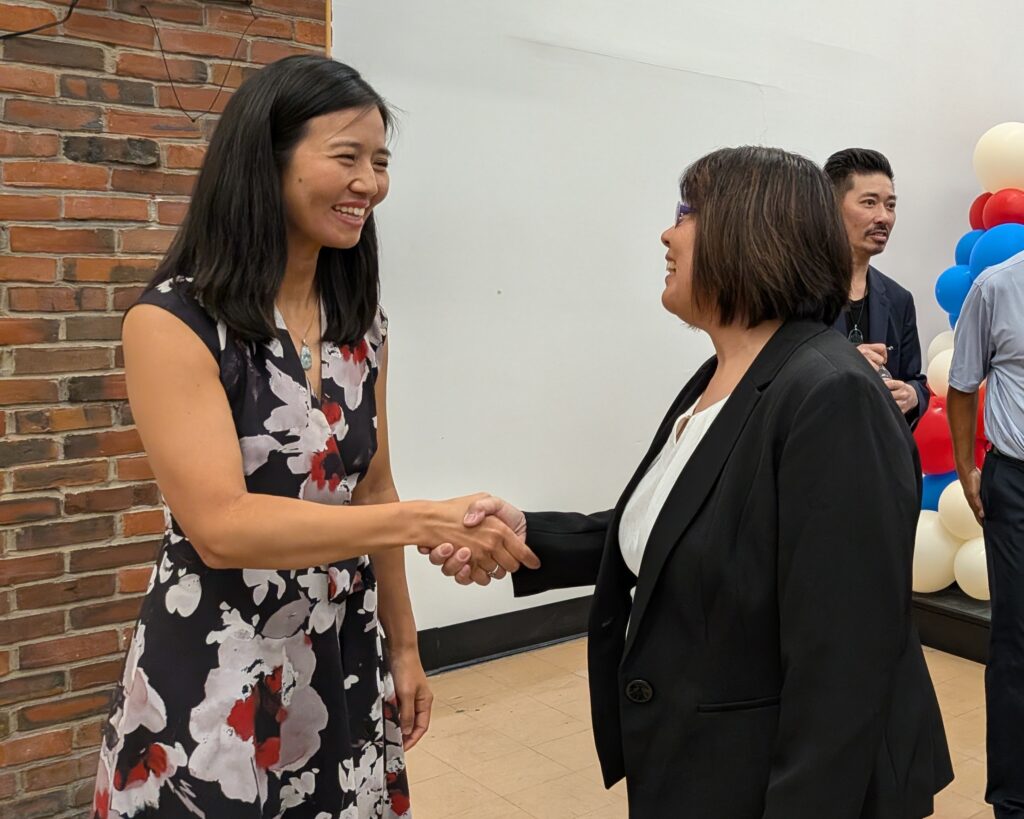
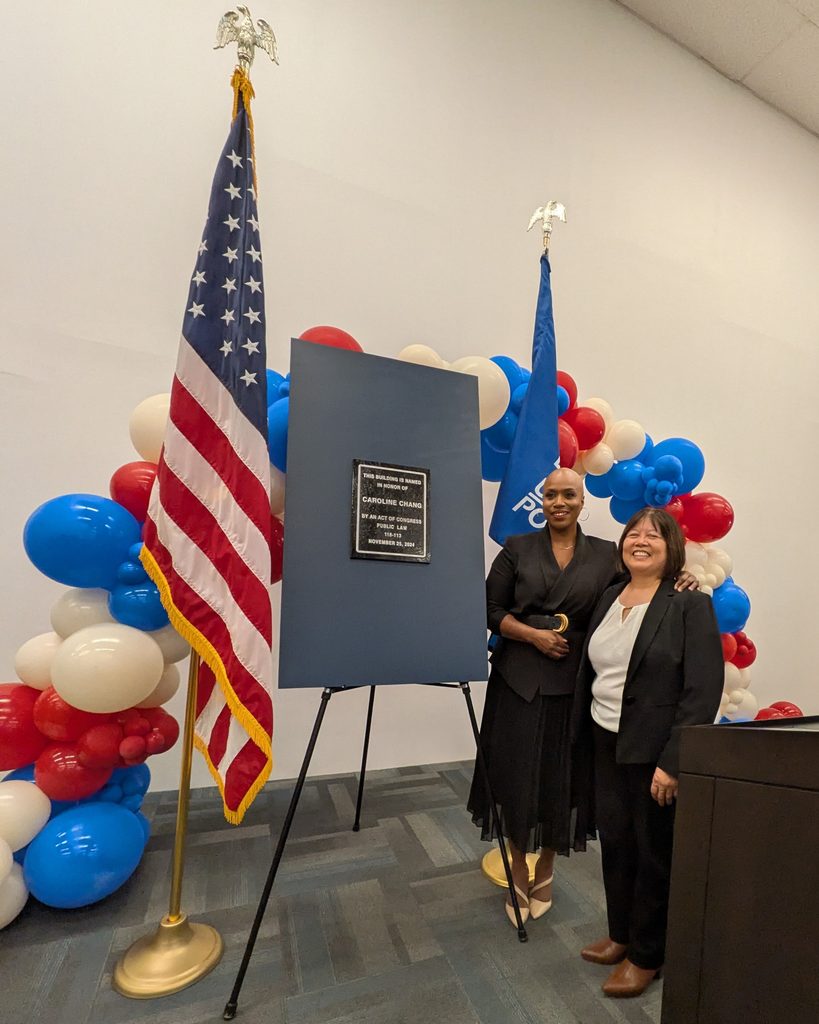
Photo credit: Anita Yip