What happens when community leaders from across Massachusetts come together to share ideas, build relationships, and learn from one another?
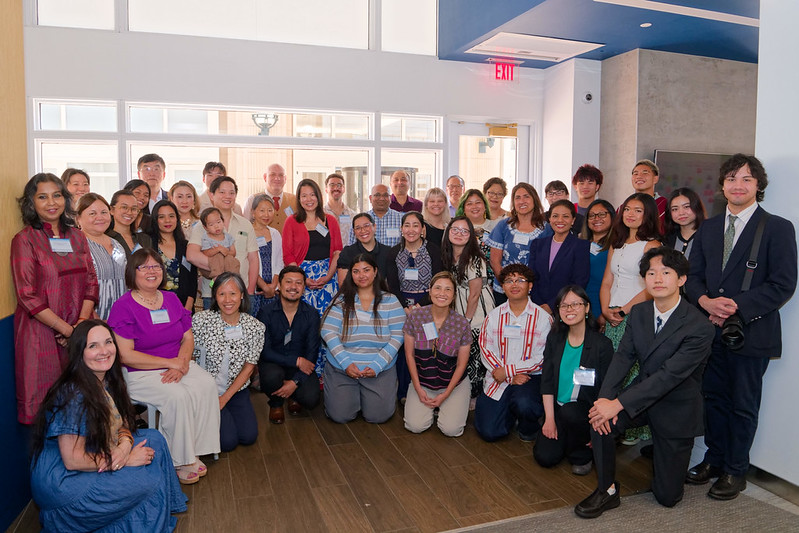
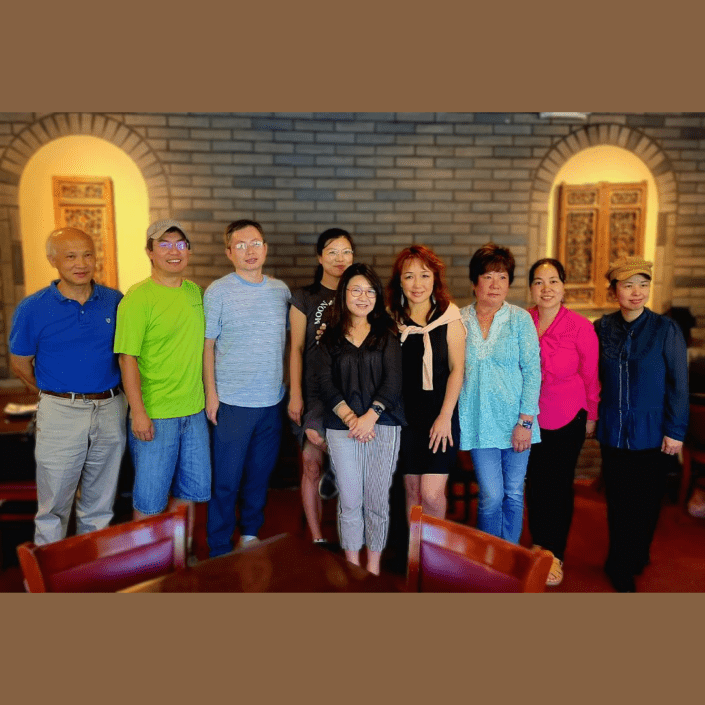
Community investment is about more than funding individual projects. It is about building the relationships, trust, and partnerships that help communities solve problems together. With that goal in mind, the Massachusetts Asian American and Pacific Islanders Commission (AAPIC) convened FY26 Small Grants recipients, Commissioners, and supporters of the Small Grants Program from across the Commonwealth for its inaugural Small Grants Partnership Forum: Building Community Together on June 30, 2026.
The Forum celebrated community-driven solutions while creating space for organizations to exchange ideas, build relationships, and discover that many of the challenges they face—and the solutions they have developed—are shared across cultures, regions, and communities.
FY26 Small Grants Program
- 142 applications received
- 27 organizations funded
- $102,650 invested
- Organizations serving communities across Massachusetts
- Funding priorities informed by AAPIC’s strategic priorities
- Community-led review process
- First statewide Small Grants Partnership Forum
- Learn more: Small Grants Program | FY26 Small Grants Program Report
Receiving 142 applications from organizations across Massachusetts highlighted both the growing demand for community investment and the breadth of work taking place across AAPI communities statewide.
Investing in Community Leadership
Through the FY26 Small Grants Program, AAPIC invested $102,650 in 27 community-led initiatives across Massachusetts. While each project addressed different local needs, together they reflected the strength, diversity, and innovation of AAPI communities across the Commonwealth.
Grants were awarded through a competitive review process that prioritized community-driven solutions addressing documented needs identified through AAPIC’s strategic priorities. Applications were evaluated by a diverse panel of Commissioners adhering to conflict-of-interest rules, representing multiple AAPI communities, ensuring that funding decisions reflected both community expertise and statewide priorities.
Learn more about the funded organizations, application process, evaluation criteria, and project outcomes in the FY26 Small Grants Program Report.
Every community organization holds knowledge that others can learn from. Although they serve different communities, many are navigating similar challenges and developing solutions that others can adapt.
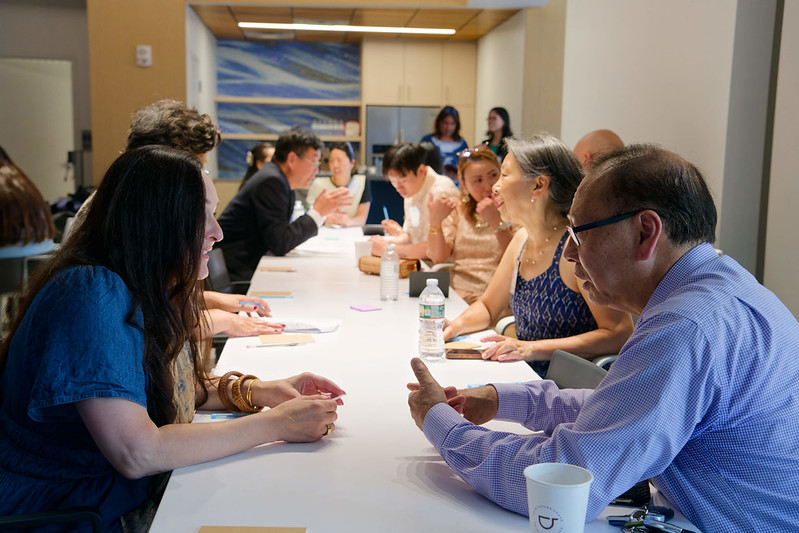
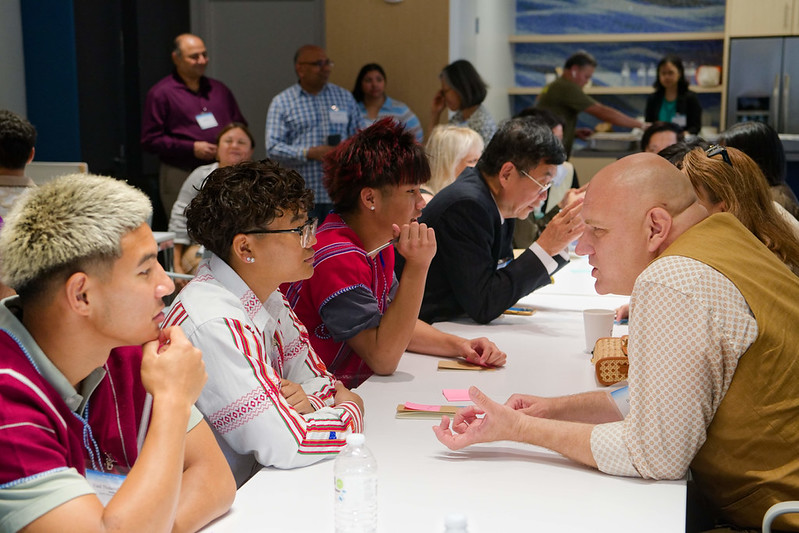
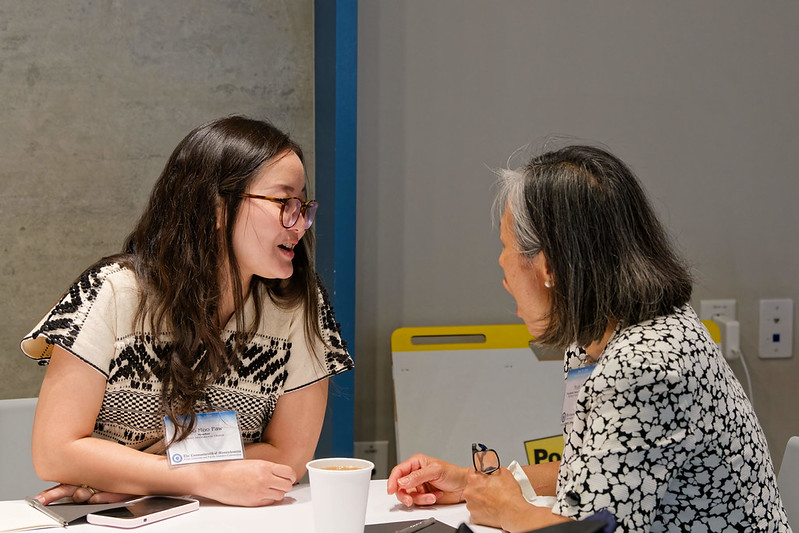
The Forum gave community leaders a rare opportunity to learn from one another. Volunteer-led organizations sought advice from peers who had successfully grown their organizations and hired staff, while others explored how successful programs could be adapted in their own communities rather than starting from scratch.
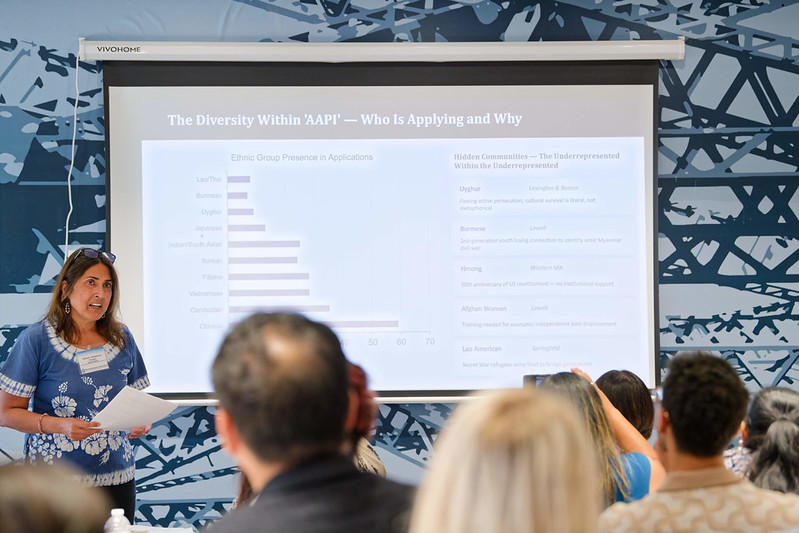
The Forum also created connections across cultural communities. After hearing about the experiences of Lowell’s Cambodian community, for example, leaders from the Boston Uyghur Association expressed interest in continuing the conversation, recognizing shared challenges around preserving culture, strengthening community identity, and helping younger generations feel a sense of belonging.
Although AAPI communities are incredibly diverse, many are navigating similar questions about identity, belonging, leadership, and growth. Bringing those experiences together creates opportunities for collaboration that might not happen otherwise.
As the Commonwealth’s only permanent, statewide body dedicated to addressing the needs and challenges of AAPI communities, AAPIC is uniquely positioned to convene organizations across regions, cultures, and issue areas—building relationships that extend well beyond a single grant cycle.

Community Solutions in Action
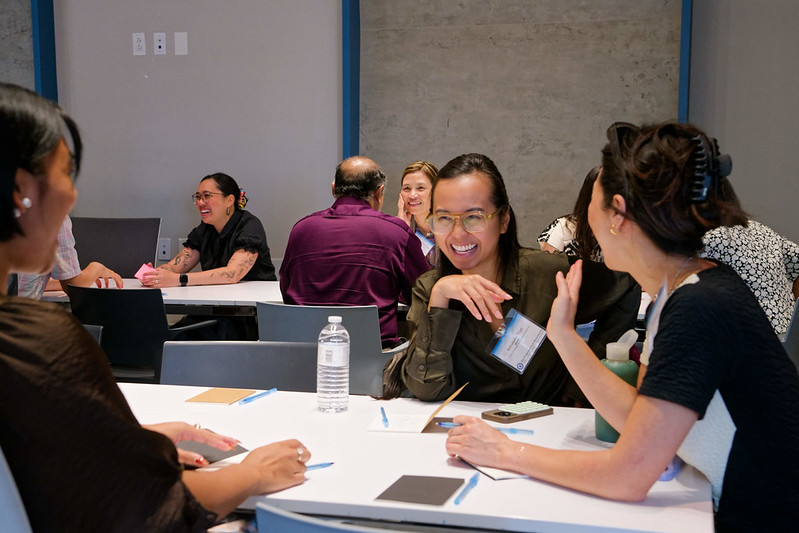
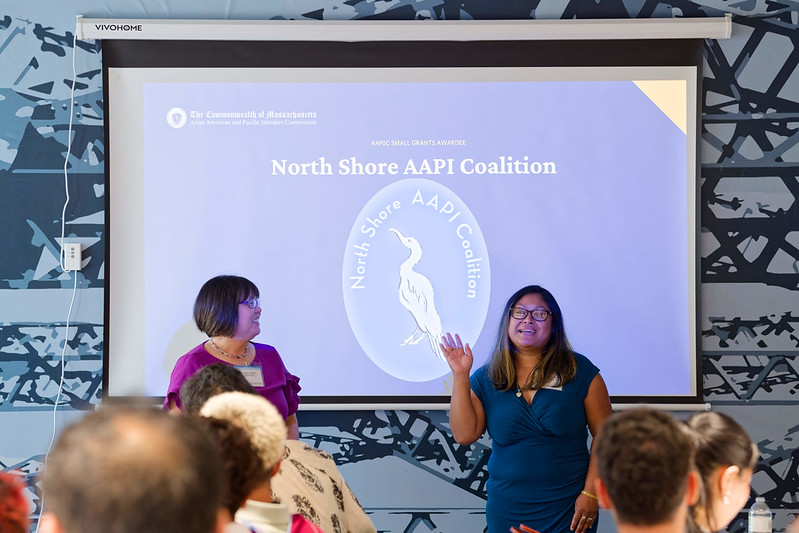
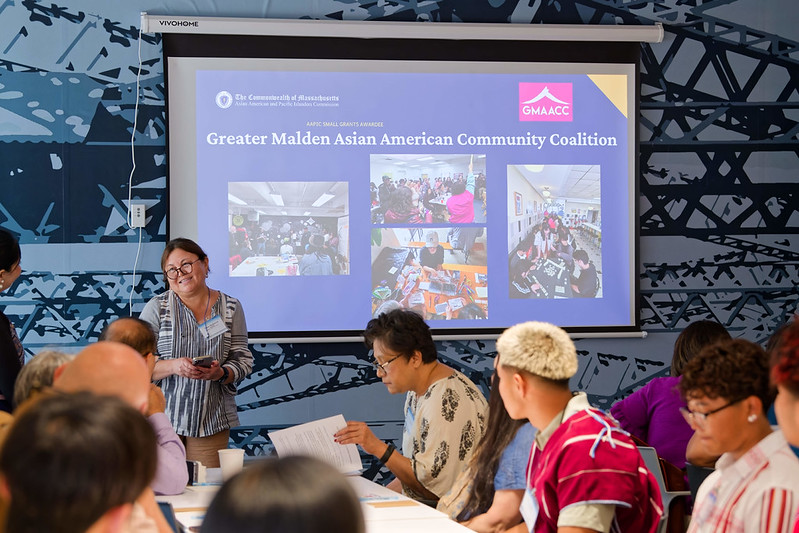
Community spotlight presentations highlighted the many ways organizations across Massachusetts are responding to the needs of their communities.
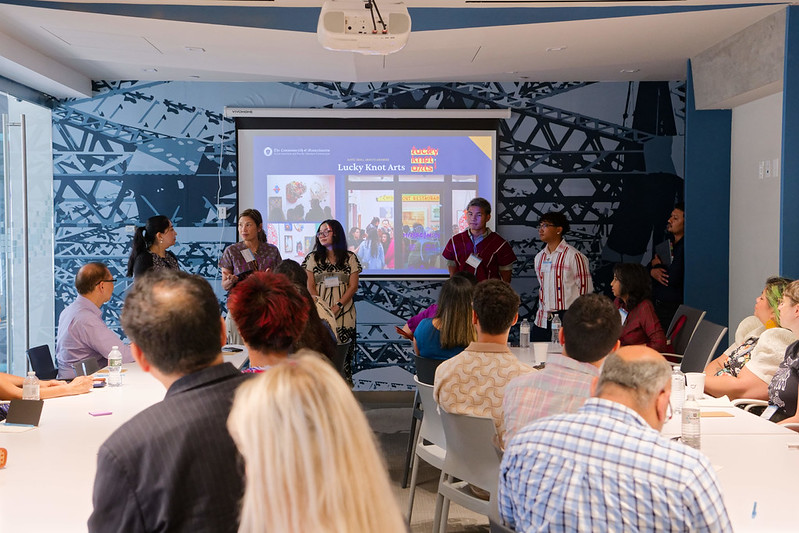
Representatives from Lowell International Church (SayDaNar) shared how their Youth Summer Camp creates opportunities for Burmese American youth to strengthen their cultural identity while developing leadership skills and lifelong community connections. Young participants reflected on growing up in Lowell, where they often identified simply as “Southeast Asian” because their Burmese community was relatively small. Their stories illustrated why creating spaces of belonging matters.
In Western Massachusetts, AAPI Alliance of Western Massachusetts described an innovative approach to addressing food insecurity by providing vouchers that families could use at local AAPI-owned businesses. The model met immediate needs while strengthening neighborhood businesses, demonstrating how community-designed solutions can create lasting local impact.
Boston Uyghur Association shared how preserving language and cultural traditions helps strengthen identity across generations and ensures that young people remain connected to their heritage while building their futures in Massachusetts.
Although each initiative addressed a distinct local need, together they illustrated a common vision for stronger AAPI communities: preserving culture, creating belonging, investing in future generations, and strengthening community resilience across Massachusetts.
Listening to Community Expertise
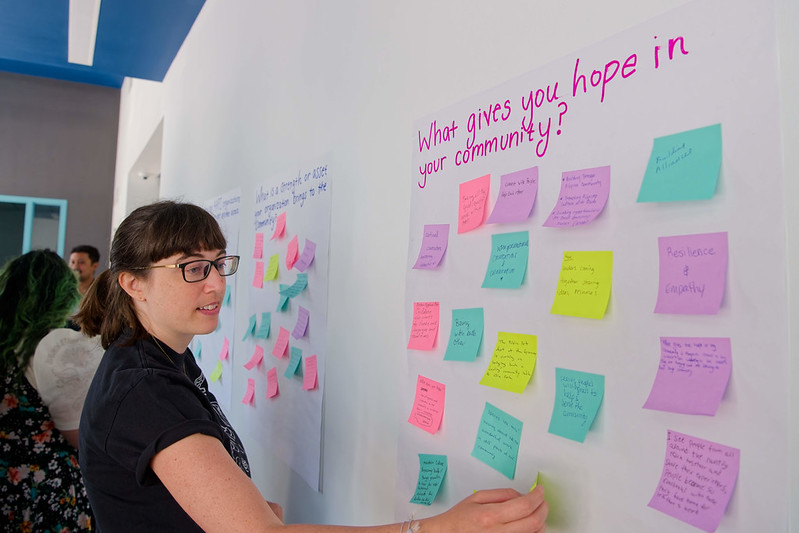
AAPIC’s Community Voices Wall invited participants to reflect on their organizations’ strengths, the challenges facing their communities, and what they hope to see moving forward.
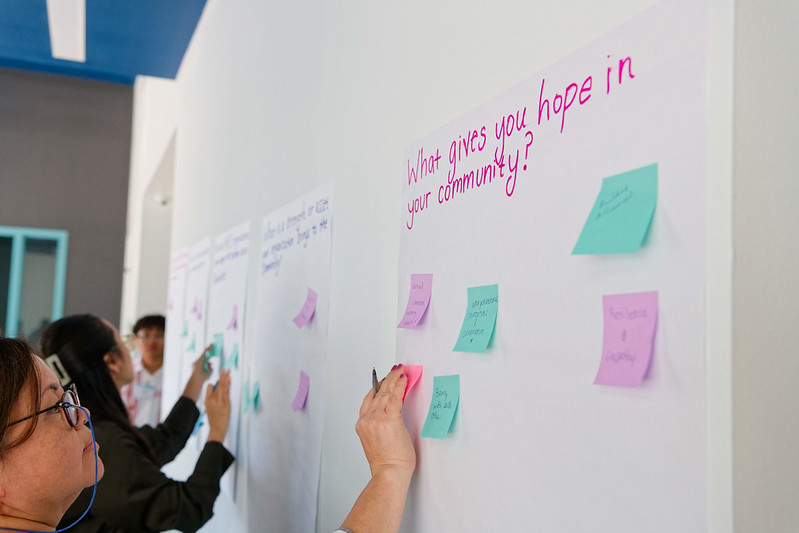
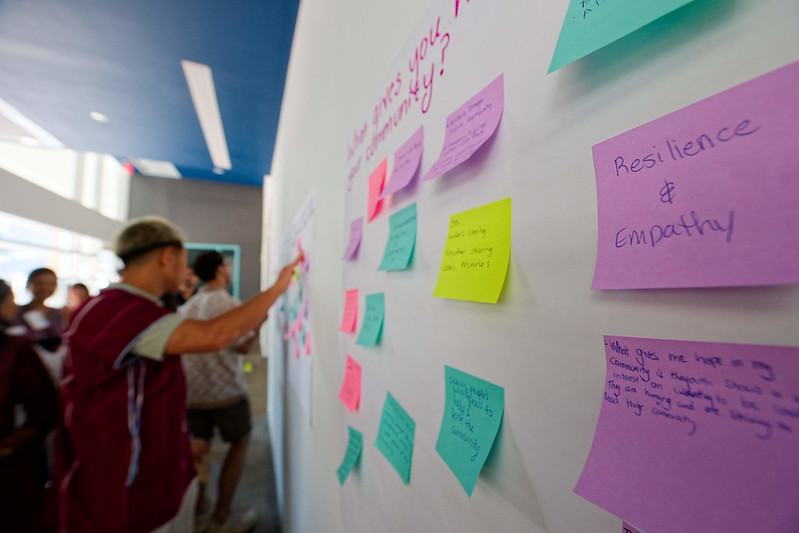

Across the responses, participants described trust as the foundation of their work—built through years of showing up for their communities. That trust enables them to understand community experiences, create spaces of belonging, and respond with credibility and care.
One participant captured this spirit by describing their organization’s strength as “always creating new spaces for the community to feel like they belong, for them to be heard, seen, and LOVED.”
These relationships are why community organizations are essential partners. Their expertise and connection to their communities help ensure that investments are informed by lived experience and support solutions that reflect the priorities of the people they serve.
Public Leadership Rooted in Community
The Forum also created opportunities for meaningful dialogue between community leaders and public officials.
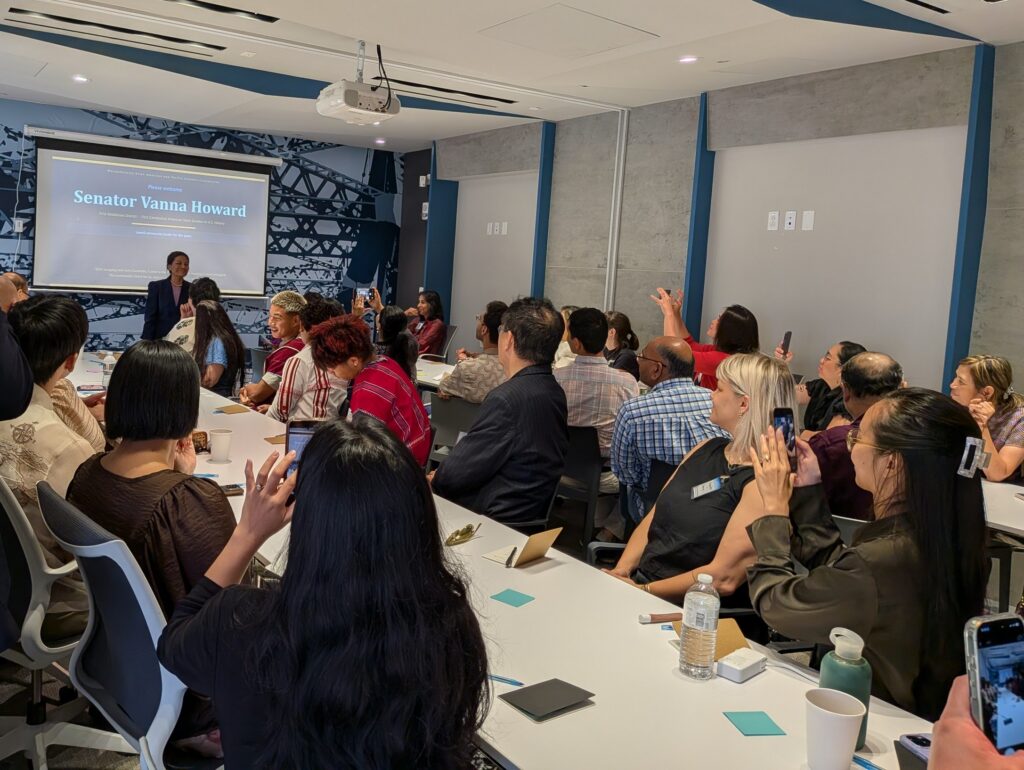
State Senator Vanna Howard joined the Forum to recognize the work of community organizations and reflect on the importance of ensuring community voices continue to shape public policy. Drawing from her own journey as a Cambodian refugee, she spoke about the importance of investing in communities whose experiences too often go unheard.
“The priorities identified through these grant applications are not just statistics on a screen. They are stories that I have seen throughout my life and throughout my career.”
— Senator Vanna Howard
For Senator Howard, the grant applications reflected more than funding requests—they reflected the lived experiences and priorities of communities across the Commonwealth.
The applications reflected priorities that continue to shape AAPI communities across Massachusetts, including mental health, language access, immigration, small business development, and strengthening community infrastructure. Senator Howard emphasized that lasting progress depends on sustained partnerships between communities and government.
“They are asking to be heard every day. They are asking for partnerships, for investments, and for policies that reflect their lived experiences.”
— Senator Vanna Howard
She closed by encouraging continued collaboration among community organizations, legislators, and public agencies.
“Together, we can build a Massachusetts where every AAPI community, regardless of language, ethnicity, or ZIP code, has the opportunity not only to survive, but to flourish.”
— Senator Vanna Howard
The Forum demonstrated how meaningful dialogue between community leaders and policymakers can strengthen public programs by ensuring decisions are informed by community experience.
Recognizing Our Partners in Public Service
AAPIC extends its sincere gratitude to the Massachusetts Legislature and the Governor for their continued investment in the Commission through annual state appropriations.
Their support makes programs like the AAPIC Small Grants Program possible and strengthens our ability to serve AAPI communities across the Commonwealth.
We are especially grateful to the Massachusetts House Asian Caucus for its steadfast leadership, partnership, and unwavering advocacy for AAPI communities and the Commission’s mission. Their continued support strengthens opportunities for community organizations, expands civic engagement, and helps ensure AAPI voices continue to inform public policy throughout the Commonwealth.
We also extend our sincere appreciation to Senator Vanna Howard for joining the Forum and sharing her inspiring remarks. Her leadership and longstanding commitment to Massachusetts’ AAPI communities continue to strengthen the Commission’s work and advance opportunities across the Commonwealth.
Finally, we thank our Commissioners, community partners, nonprofit organizations, volunteers, and all those who work alongside us to build a stronger, more inclusive, and more equitable Massachusetts.
Building What Comes Next
The inaugural Small Grants Partnership Forum demonstrated that effective community investment is about more than grants. Its lasting value lies not only in funding individual organizations, but in building the relationships, trust, and shared understanding that allow those investments to have an even greater impact.
A successful program in one community can inspire another. A conversation between community leaders can become a lasting partnership. Together, those relationships strengthen organizations, expand opportunity, and increase the impact of every public dollar invested.
More than grants, AAPIC is investing in the relationships, partnerships, and community leadership that strengthen AAPI communities across Massachusetts.