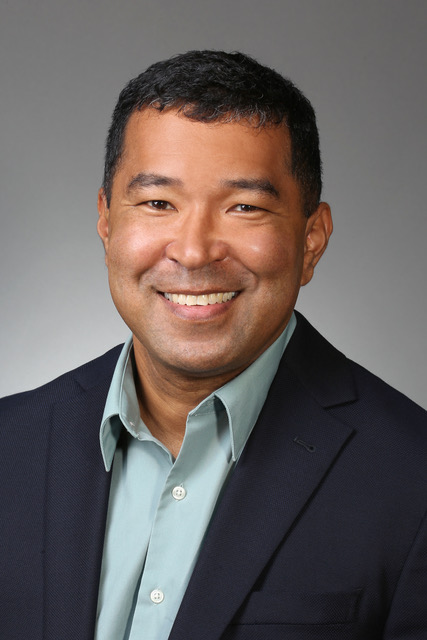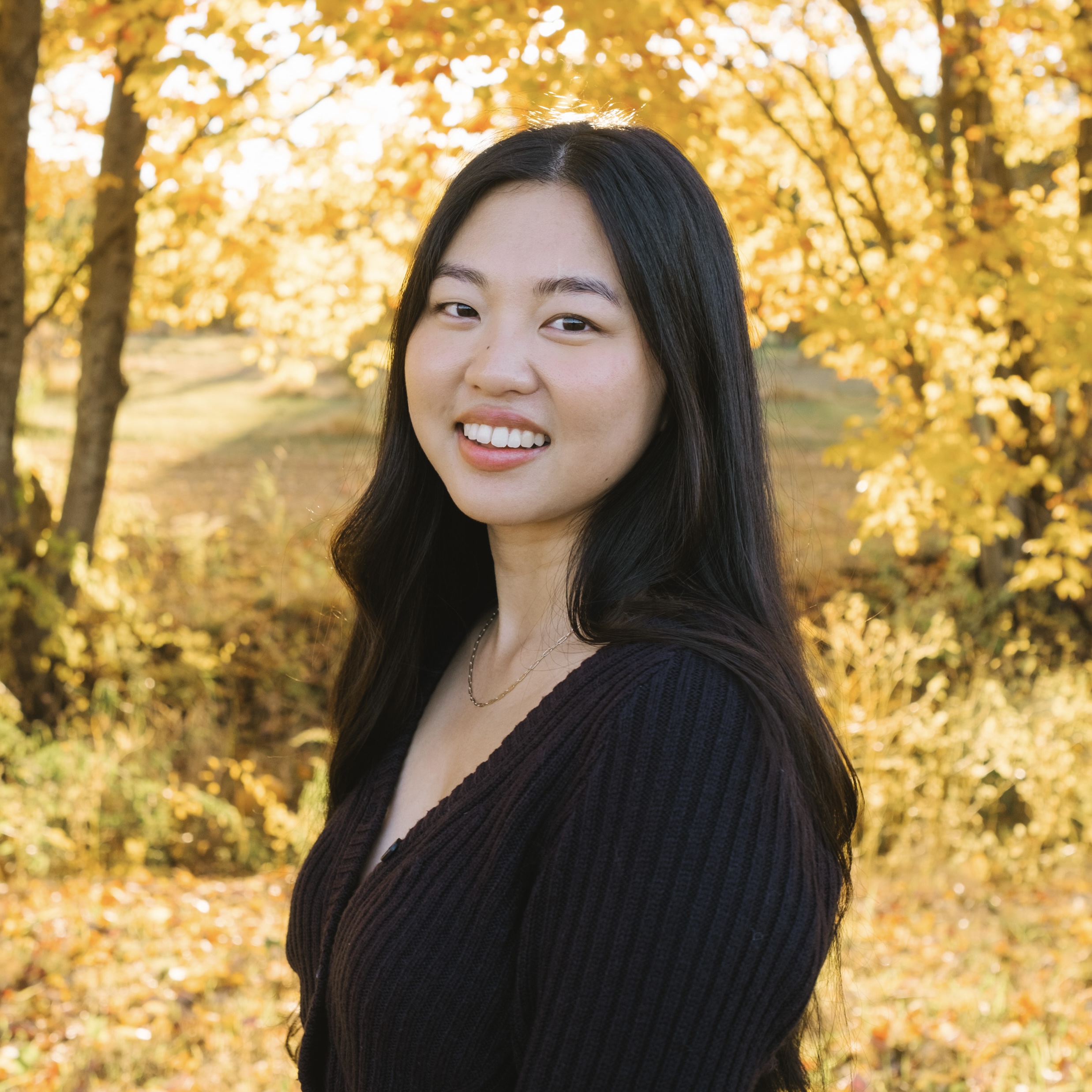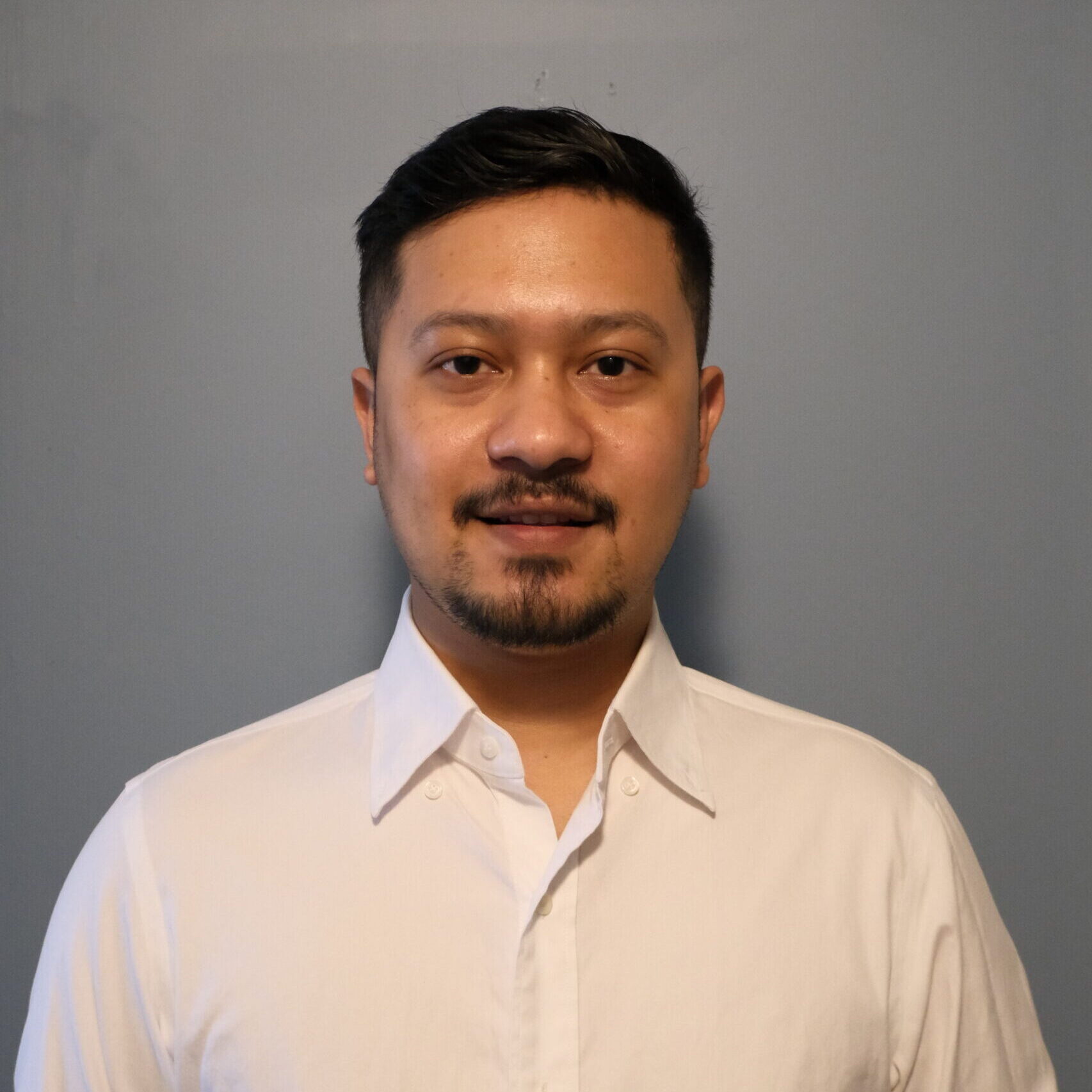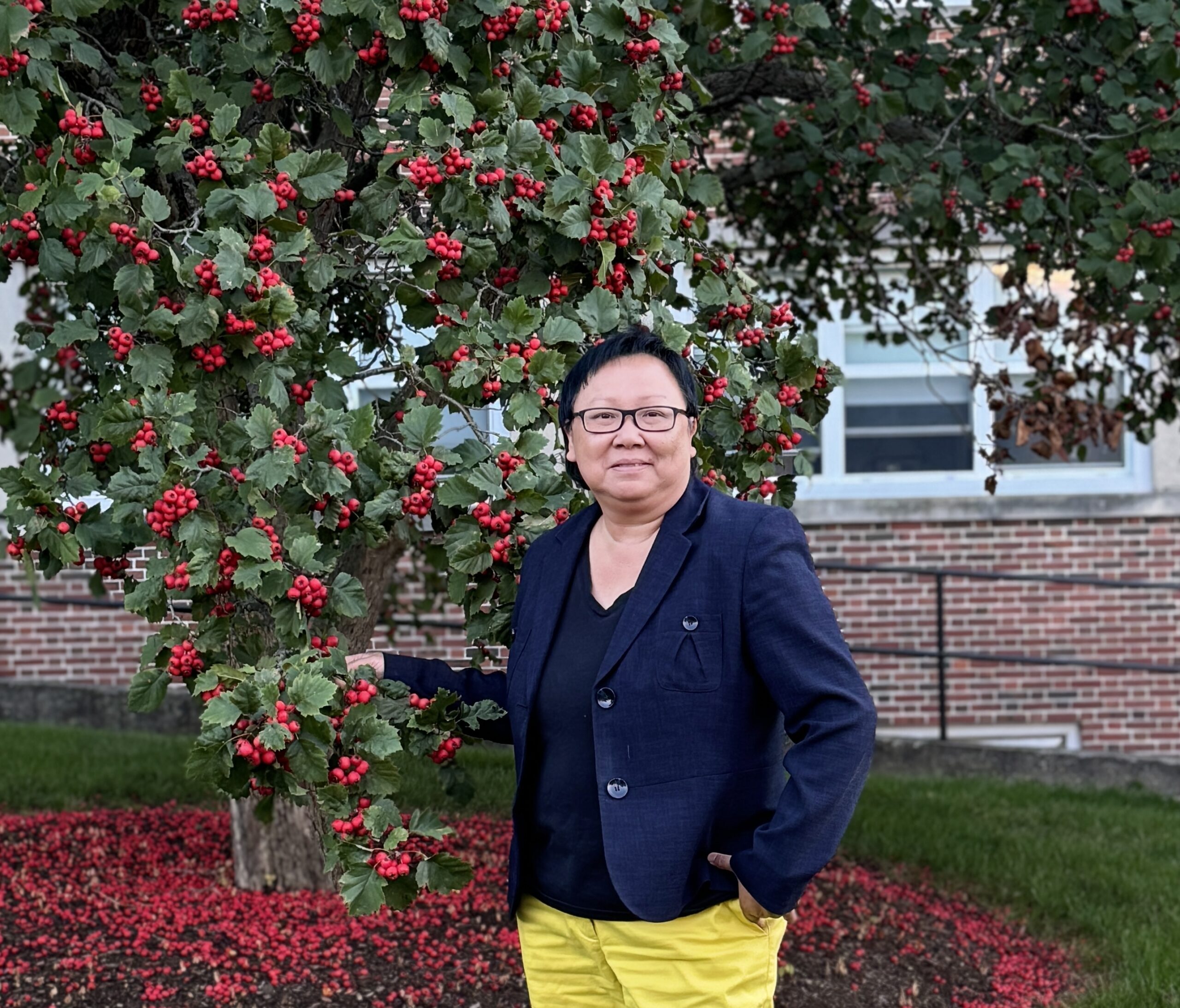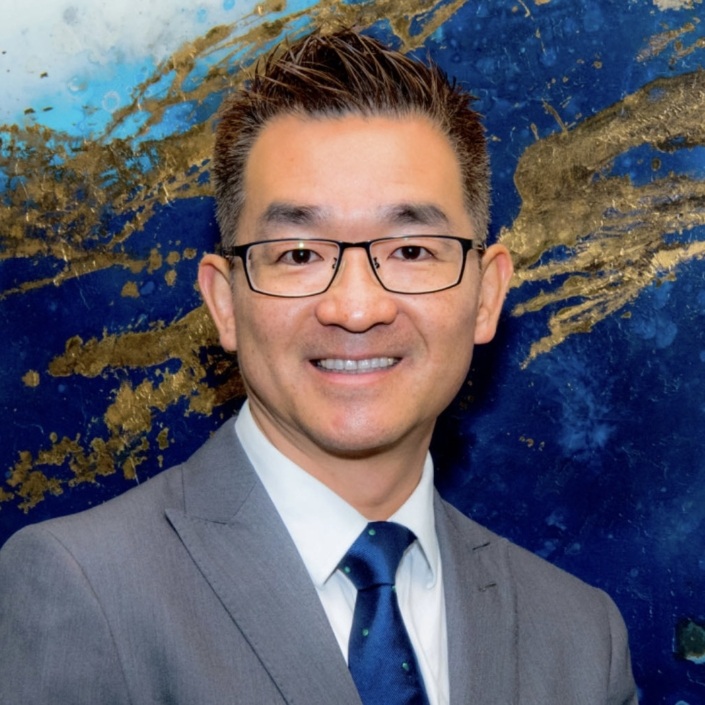
By Leo Blandford, Commissioner, Massachusetts Asian American and Pacific Islanders Commission
This fall, The Wall That Heals came to Yarmouth, bringing a replica of the Vietnam Veterans Memorial to Cape Cod. The thousands of names on the Wall honor those who lost their lives in service. Behind every name—and alongside every veteran who returned home—are families and communities also shaped by war and military service.
As we observe Veterans Day this November, I find myself reflecting on how service and its impact can extend through families and across generations.
Military history reaches across countries, wars, and generations in my own family. My Taiwanese grandfather served in the Japanese military during World War II, when Taiwan was under Japanese colonial rule. On my father’s side, my grandfather and two of his brothers served with the U.S. Army in Germany during the same war.
These were simply pieces of family history when I was young. Only later did I begin to understand the larger histories surrounding them.
I was born in Taiwan near the end of the Vietnam War, at a time when the United States maintained a military presence on the island and was raised in a U.S. Air Force family. We lived in Taiwan, Okinawa, several places across the United States, and Germany. As a child, these places were simply home. I didn’t yet understand how closely the geography of my childhood intersected with America’s military history.
Years later, another part of that history entered my family. After my parents divorced, my Taiwanese-American mother married a Vietnamese refugee whom she met here in the United States. The Vietnam War had ended decades earlier, but its impact continued to shape lives.
These histories eventually came together in one Asian American family.
The experiences are not interchangeable. Veterans, military families, and refugees carry distinct histories. Yet seeing these histories intersect has made me attentive to what can disappear when we see people through a single identity or experience.
Military service belongs to the person who served, but its impact extends far beyond the individual.
I did not follow my family’s tradition into the military, but I believe I inherited an appreciation for service. For me, that commitment has taken a different form through community health and work to strengthen the wellbeing of others as a clinical social worker. The responsibilities and sacrifices are different, but the belief that we have obligations beyond ourselves remains.
Living and working on Cape Cod, where many older veterans reside, I think about what those obligations mean today. When we meet a veteran in healthcare or in our communities, we may see only one part of a much larger story. Understanding those broader experiences can deepen how we care for veterans and their families across the course of their lives.
November also invites reflection on gratitude. Here on Cape Cod, that reflection has a particular meaning. We live on the ancestral and continuing homeland of the Wampanoag people, and the national story of Thanksgiving is directly connected to this land and to Wampanoag history. Yet Wampanoag traditions of giving thanks extend far beyond a single holiday, reminding us that gratitude can also be expressed through relationship, reciprocity, and responsibility to one another, to place, and to future generations.
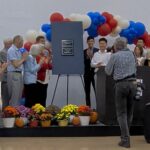
Earlier this year, that continuing presence was recognized at Veterans Memorial Park in Orleans, where a Wampanoag marker designed by Wampanoag artist Robert Peters was dedicated in recognition of the traditional lands of the Nauset and Wampanoag peoples. Earl Cash Jr., known as Soaring Eagle and the Medicine Man of the Mashpee Wampanoag Tribe, conducted a sage-burning ceremony, while the Wampanoag Nation Singers and Dancers performed earlier that day. Its place within Veterans Memorial Park is especially meaningful, reminding us that gratitude and remembrance can honor different histories while strengthening our responsibility to one another and to the places we share.
As an AAPI Commissioner and member of a military family, I am grateful for the opportunity to recognize Asian American and Pacific Islander veterans while honoring all who have served, the families shaped by that service, and the histories carried by the communities and places we call home.
This Veterans Day, may our gratitude extend beyond remembrance to our continued commitment to the health, dignity, and well being of veterans and their families.
Across generations, the forms of service may change, but our responsibility to care for one another remains.
Veterans & Family Resources
Gratitude can also mean helping veterans and their families connect with support when they need it.
Remembrance & Education: The Wall That Heals, a traveling three-quarter-scale replica of the Vietnam Veterans Memorial, provides opportunities for remembrance and education about the Vietnam War and its impact.
Vietnam Veterans Memorial Fund: www.vvmf.org/The-Wall-That-Heals/
Cape Cod & Islands: Cape & Islands Veterans Outreach Center provides support including food access, housing assistance, counseling, and benefits navigation. The Cape Cod Vet Center in Hyannis provides confidential counseling and support for eligible veterans, service members, and families.
Massachusetts: The Massachusetts Executive Office of Veterans Services connects veterans and families with benefits and local Veterans Service Officers. The Massachusetts Behavioral Health Help Line provides 24/7 mental health and substance-use support at 833-773-2445.
National: The U.S. Department of Veterans Affairs provides healthcare, mental health services, benefits, and family resources. For immediate confidential support, the Veterans Crisis Line is available 24/7: call 988 and press 1, or text 838255.