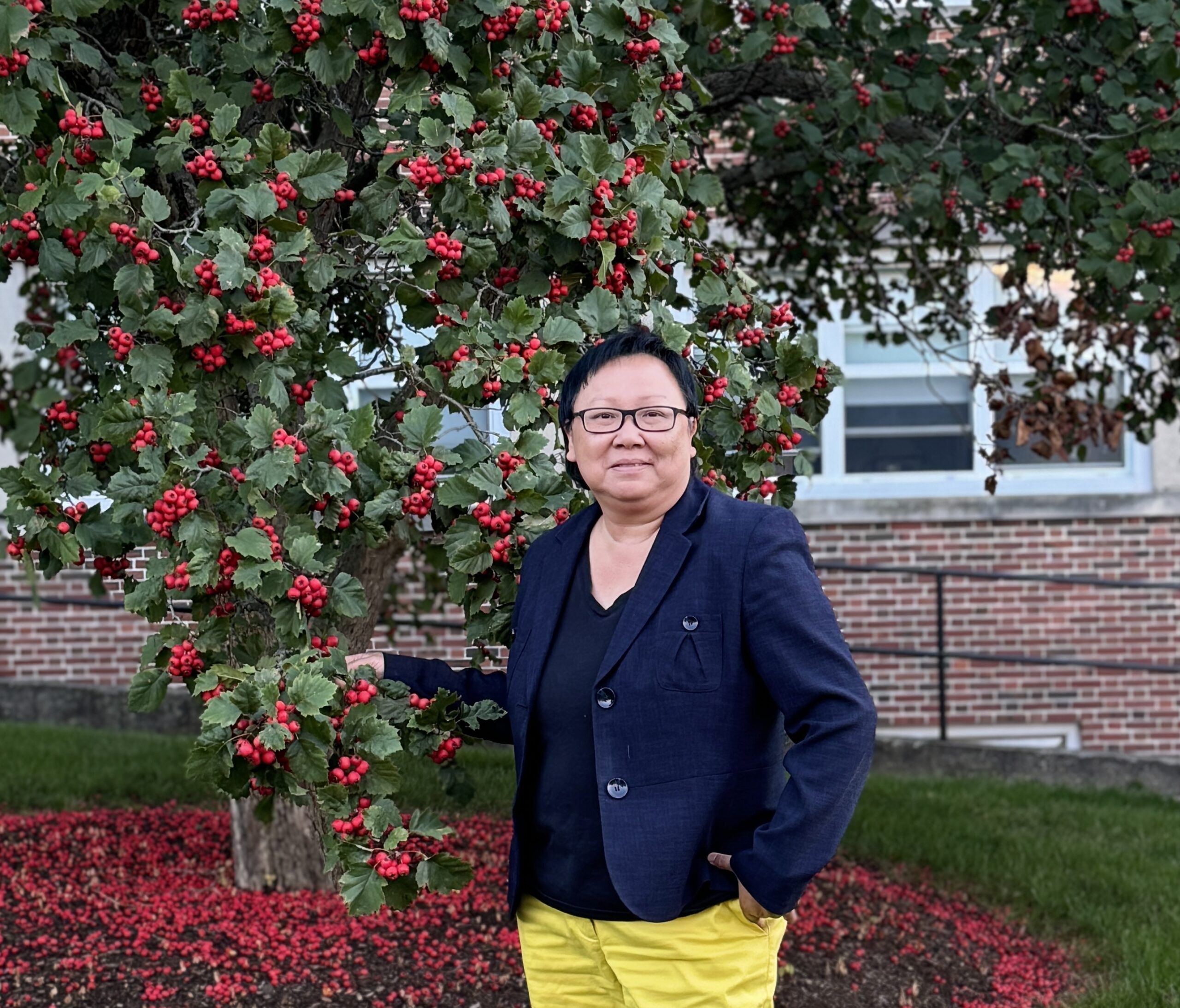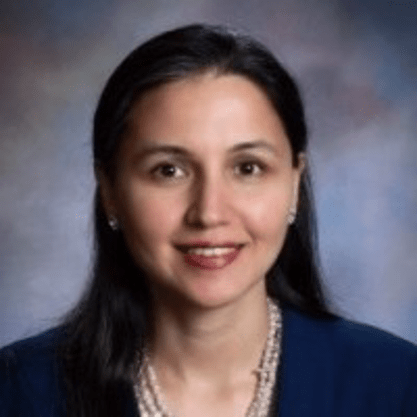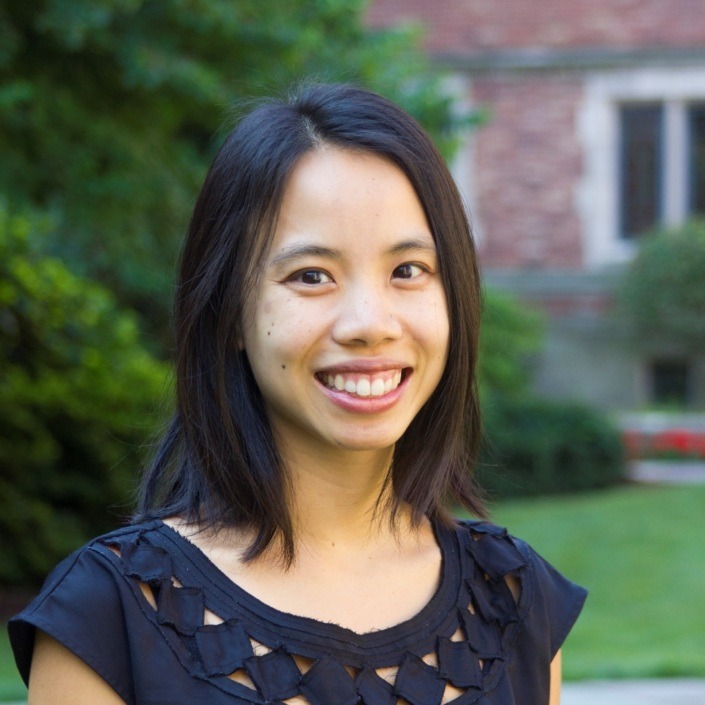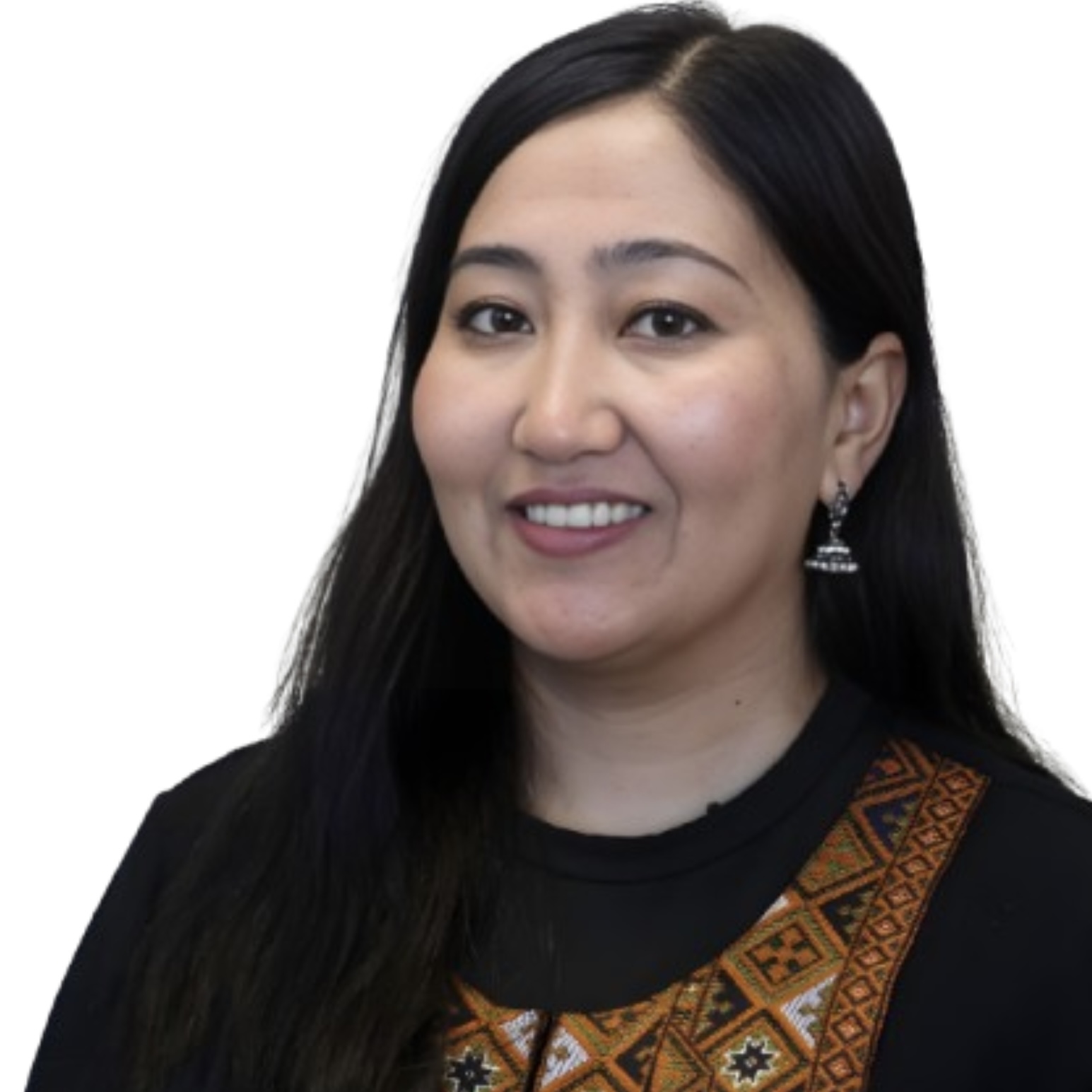
When asked what belonging means, the conversation did not begin with policy or programs.
It began with family.
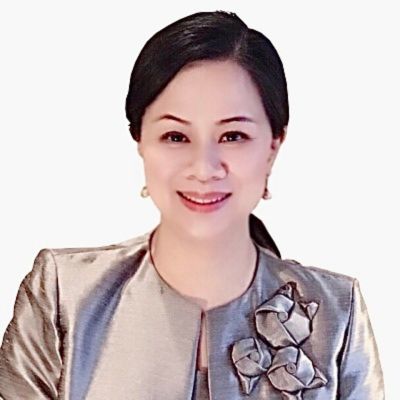
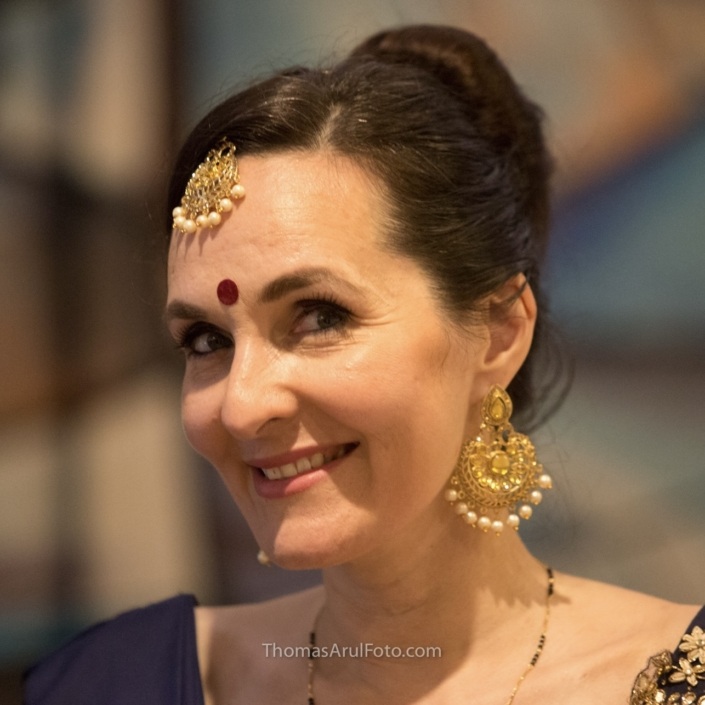
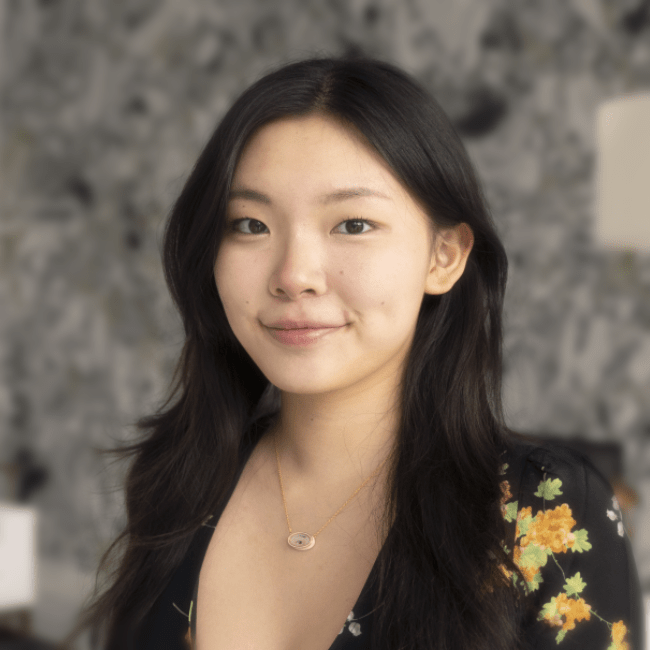
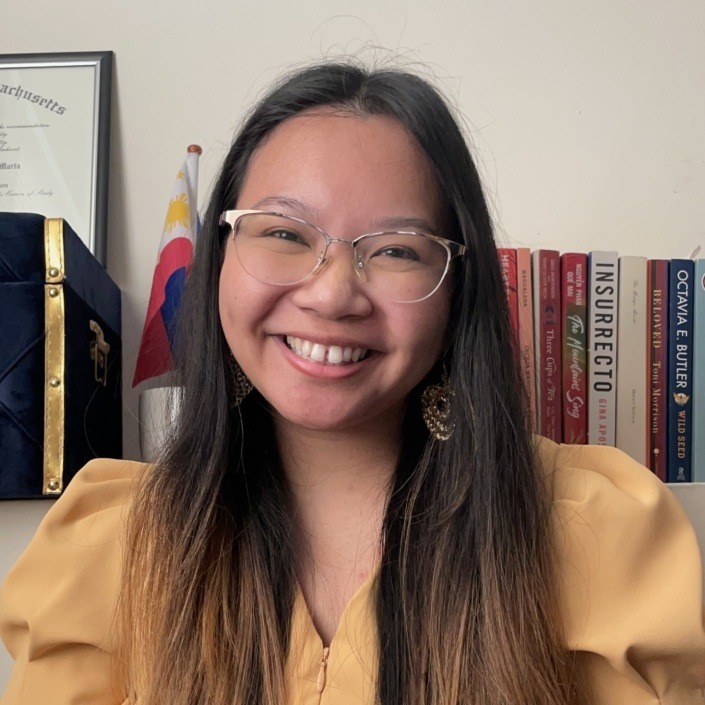
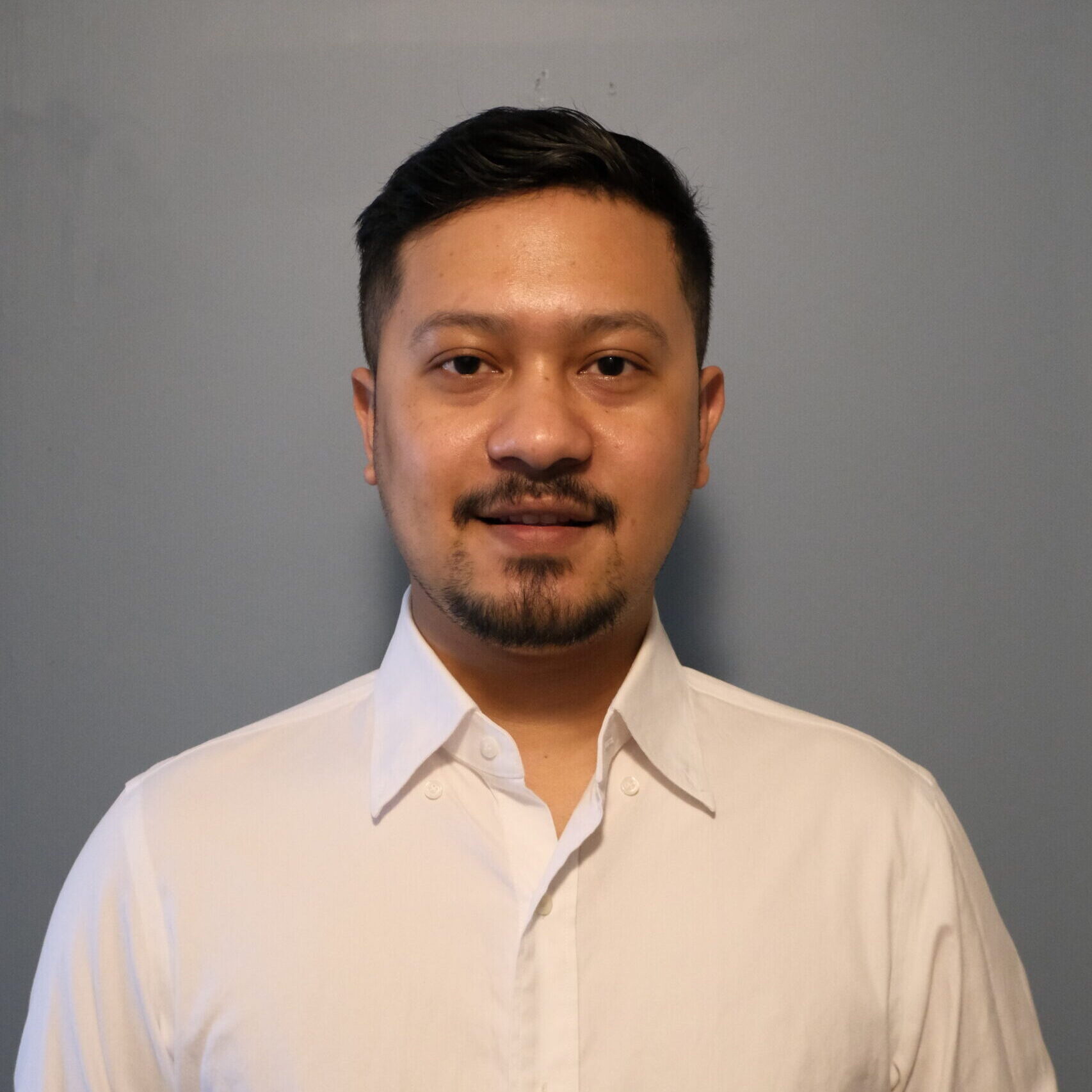
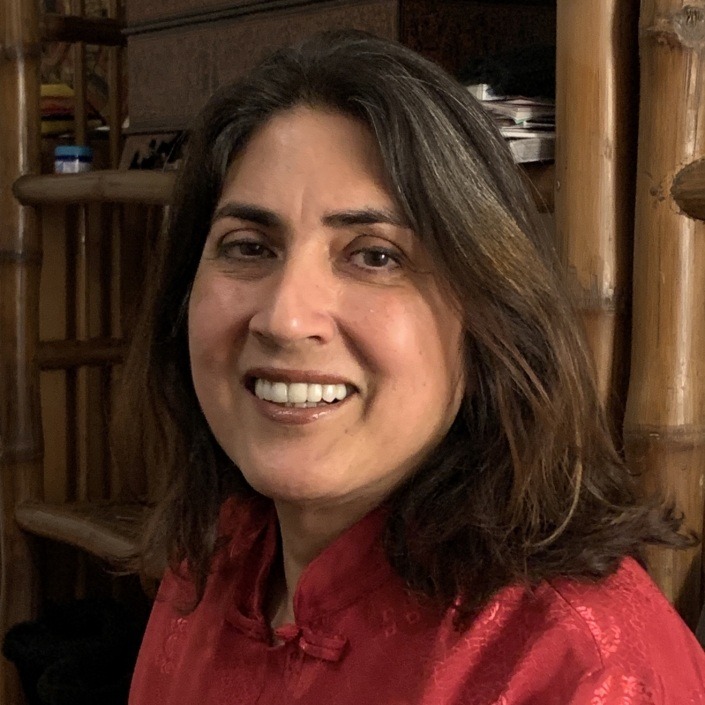
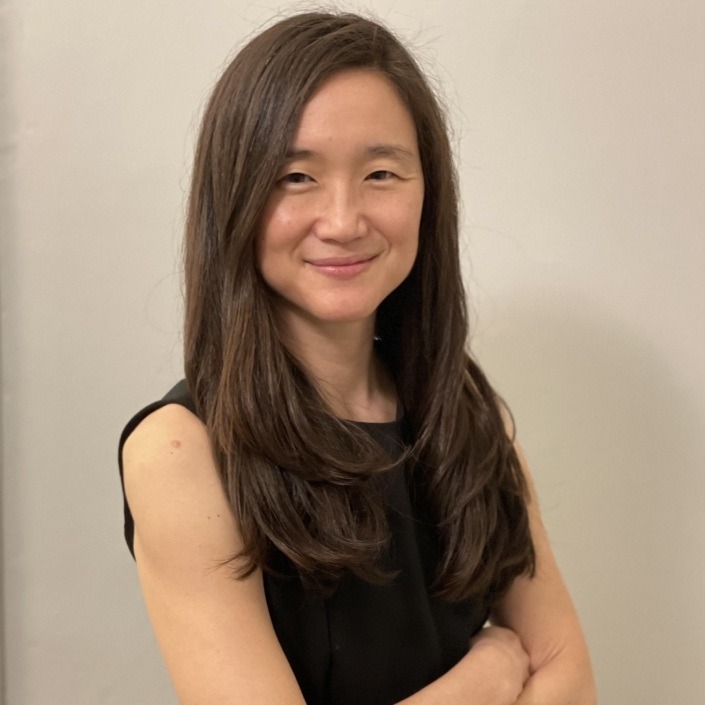
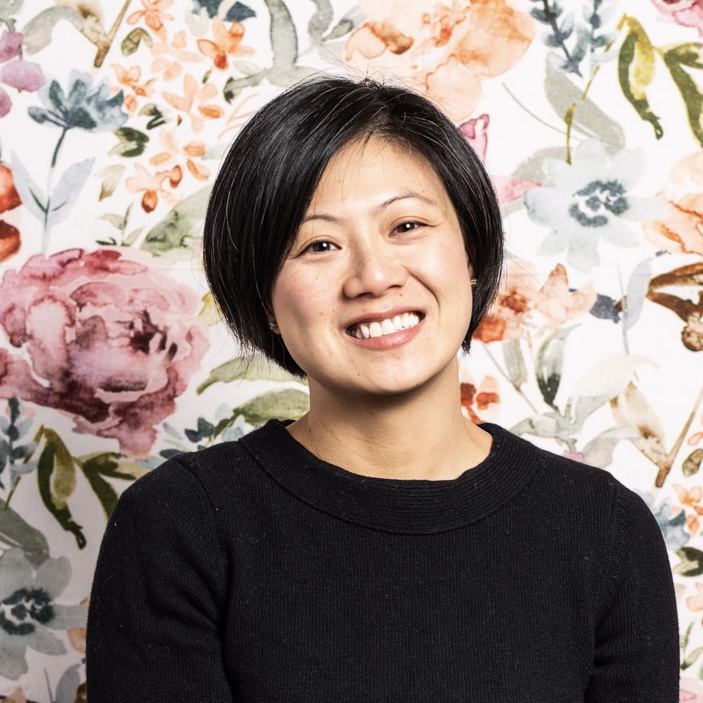
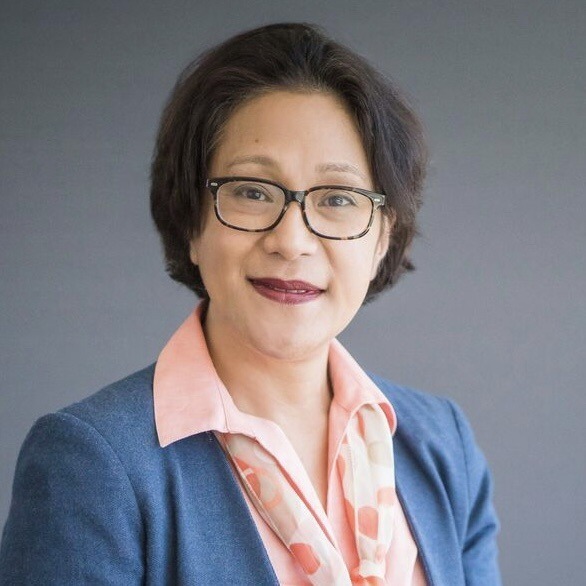
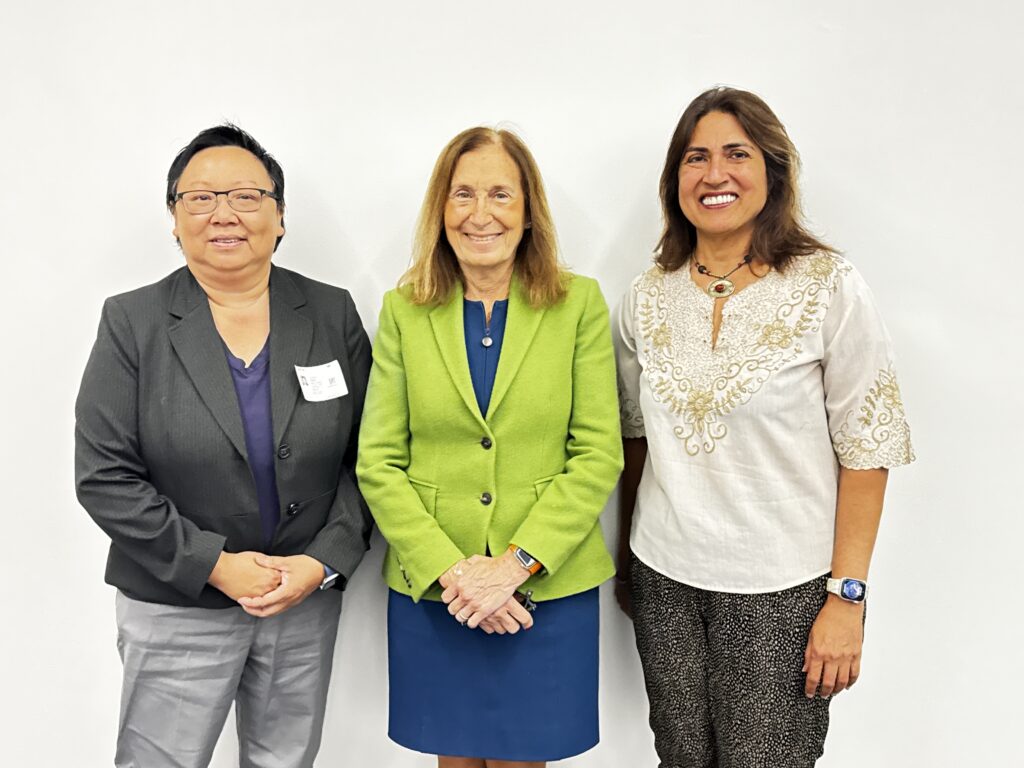
As part of AANHPI Heritage Month, Commission Chair Tuyet Tran and former Executive Director Yasmin Padamsee Forbes joined Treasury staff for a discussion on diversity, equity, inclusion, and accessibility. What emerged was a reflection on the people, traditions, and experiences that shape how we understand community—and what it takes for someone to truly feel that they belong.
Again and again, the discussion returned to a simple but powerful idea: no one builds a life alone.
The idea of a “village” surfaced early in the conversation. In Vietnamese culture, for example, family often extends far beyond the immediate household, where care, responsibility, and survival are shared across generations and relationships.
For Chair Tuyet Tran, that understanding is deeply personal. One of the first in her family to arrive in the United States as a refugee, she came with her sisters and built a life in a new country amid considerable hardship. In those early years, survival came first, and family became the structure that held everything together.
Her oldest sister, just 18 at the time, helped keep the family grounded. That experience continues to shape how she understands community today.
Across cultures, similar themes surfaced throughout the conversation, particularly in traditions that mark renewal and starting again.
From the Persian celebration of Nowruz, which welcomes spring and new beginnings, to Lunar New Year traditions across many Asian cultures that emphasize clearing out the past, honoring family, and preparing for renewal, both reflected on how these moments create space for both celebration and reset. Across traditions, there is a shared belief in beginning again—together.
But belonging is not only shaped by celebration. It is shaped just as deeply by everyday experience.
The conversation turned to how language, accent, and ways of speaking shape how people are perceived, and how those perceptions often determine access to opportunity, services, and belonging. For some, those early experiences of exclusion become formative, leading them toward careers in social work, community health, and public service, with a commitment to ensuring others do not face the same barriers alone.
That raised a broader question: what does it actually take to remove barriers so people can fully access services, regardless of language or background?
Much of it, speakers noted, happens in everyday interactions.
Questions like “Where are you from?” or “Where do you really come from?” may seem mundane, but they can signal who is seen as belonging and who is not. A more meaningful question, they suggested, is simply: “What is your story?” or “How did you come to be here?”
The conversation also underscored the importance of allyship as an active practice.
Tran and Forbes reflected on how advocacy cannot stop at the boundaries of any one community. Disability justice, economic justice, and racial equity are interconnected. Without an intersectional approach, inclusion remains incomplete.
Another thread in the conversation was how culture is carried forward, or sometimes rediscovered.
Both reflected on the importance of passing forward values of care, respect, and mutual support, ensuring that younger generations not only inherit identity but feel empowered to embrace it fully.
They also spoke about what it means to grow up feeling pressure to downplay parts of one’s identity, and the shift that comes when those same parts are later embraced more openly. For some, that meant relearning language. For others, it meant showing up more visibly in cultural spaces and passing that pride on to younger generations.
The conversation ended on a simple idea that lingered.
Inclusion is not about making everyone the same. It is about widening the circle so more people fit inside it—without asking them to shrink.
Or as someone in the audience put it:
“You draw a circle to keep us out. We draw a bigger circle to keep you in.”