AANHPI Heritage Month is a time to celebrate the cultures, histories, and contributions of Asian American, Native Hawaiian, and Pacific Islander communities. But it is also an opportunity to reflect on where we are, what we have learned, and where we are headed next.
This year, one theme stood out clearly: AAPIC’s role is increasingly being recognized across Massachusetts—but that recognition is only possible because of sustained community engagement, advocacy, and voice.
From the State House to Boston Common, from community listening sessions to statewide data and direct investment, AANHPI Heritage Month 2026 reflected a growing alignment between community experience and institutional engagement.
What follows are key highlights from this year’s observance—and the work that continues beyond it.
State Leadership Recognition
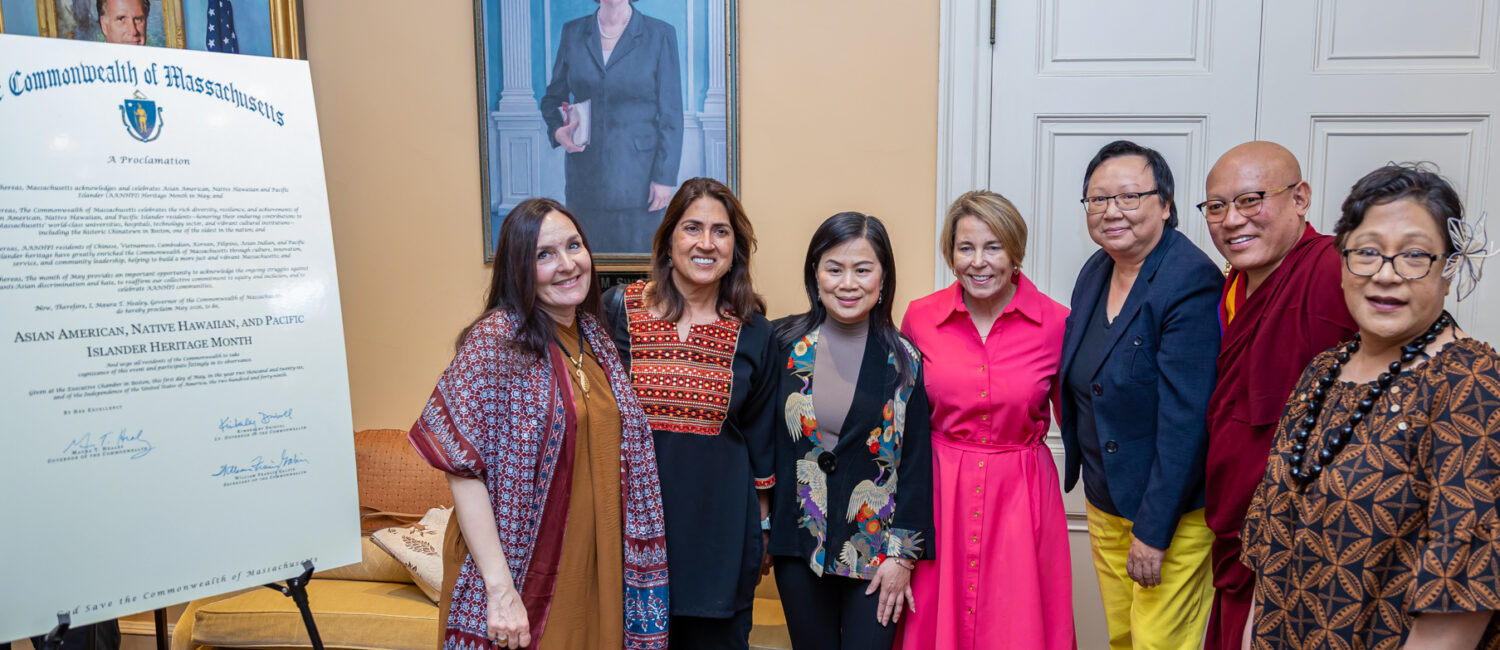
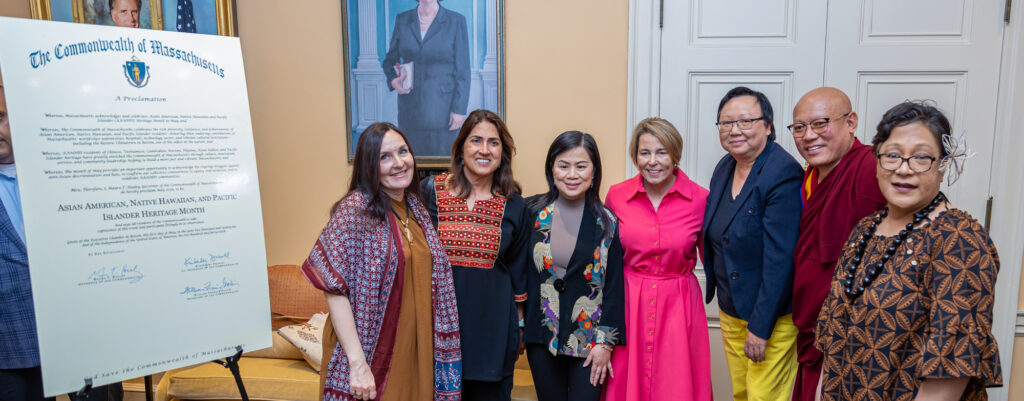
One of the month’s defining moments came at an AANHPI Heritage Month reception hosted by Governor Maura Healey at the State House.
Joined by commissioners, advocates, community leaders, and legislators, Governor Healey recognized the Massachusetts Asian American and Pacific Islanders Commission (AAPIC) as an essential partner in advancing equity and policy change across the Commonwealth.
“This is a place for advocacy and policy change and reforms.”
Her remarks reflected a broader shift: AAPI issues are increasingly present in state-level policy conversations, and AAPIC’s role as a convener and policy advisor continues to expand.
At the same time, this recognition reinforces a core responsibility—ensuring that all policy recommendations remain grounded in community experience, evidence, and sustained engagement across Massachusetts.
Most importantly, she challenged the Commission to continue bringing forward recommendations rooted in community experience and evidence.
Read more: Governor Healey: “I Look Forward to More Recommendations from This Important Work”
Cultural Visibility in Public Spaces
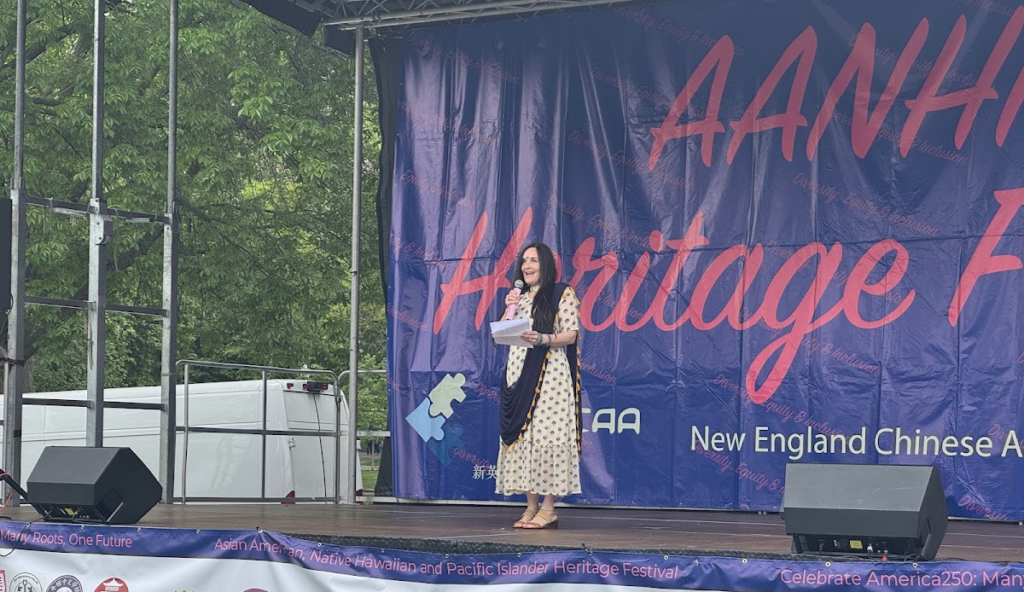
AANHPI Heritage Month also marked a growing public presence of AAPI communities in civic and cultural spaces across Massachusetts.
At the 6th Annual AANHPI Celebration hosted at Boston Common by the New England Chinese American Alliance, community leaders, artists, and advocates gathered to honor both history and future contributions.
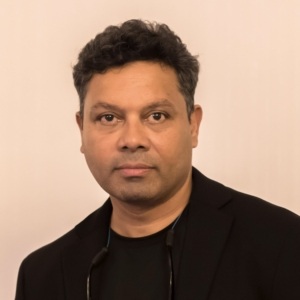
AAPIC Vice Chair Rakashi Chand reflected on the role AAPI communities have played throughout American history and continue to play today, saying:
“We are not newcomers to American history; we are authors of it.”
This is a reminder that AANHPI communities have always been part of the Commonwealth’s story—and will continue helping shape its future.
Read more: Many Roots, One Future: AANHPI Communities Take Center Stage at Boston Common
Building Belonging Through Conversation
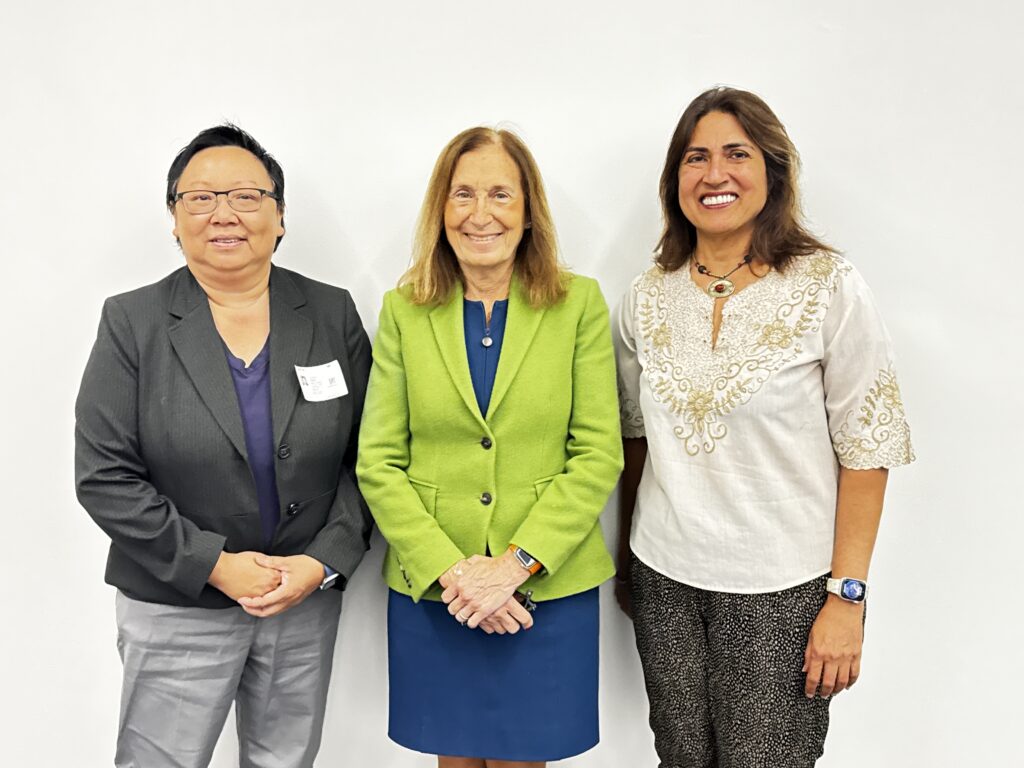
AANHPI Heritage Month also created space for deeper conversations about identity, inclusion, and belonging.
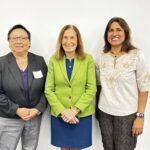
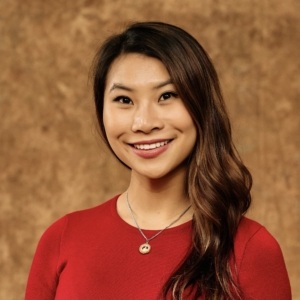
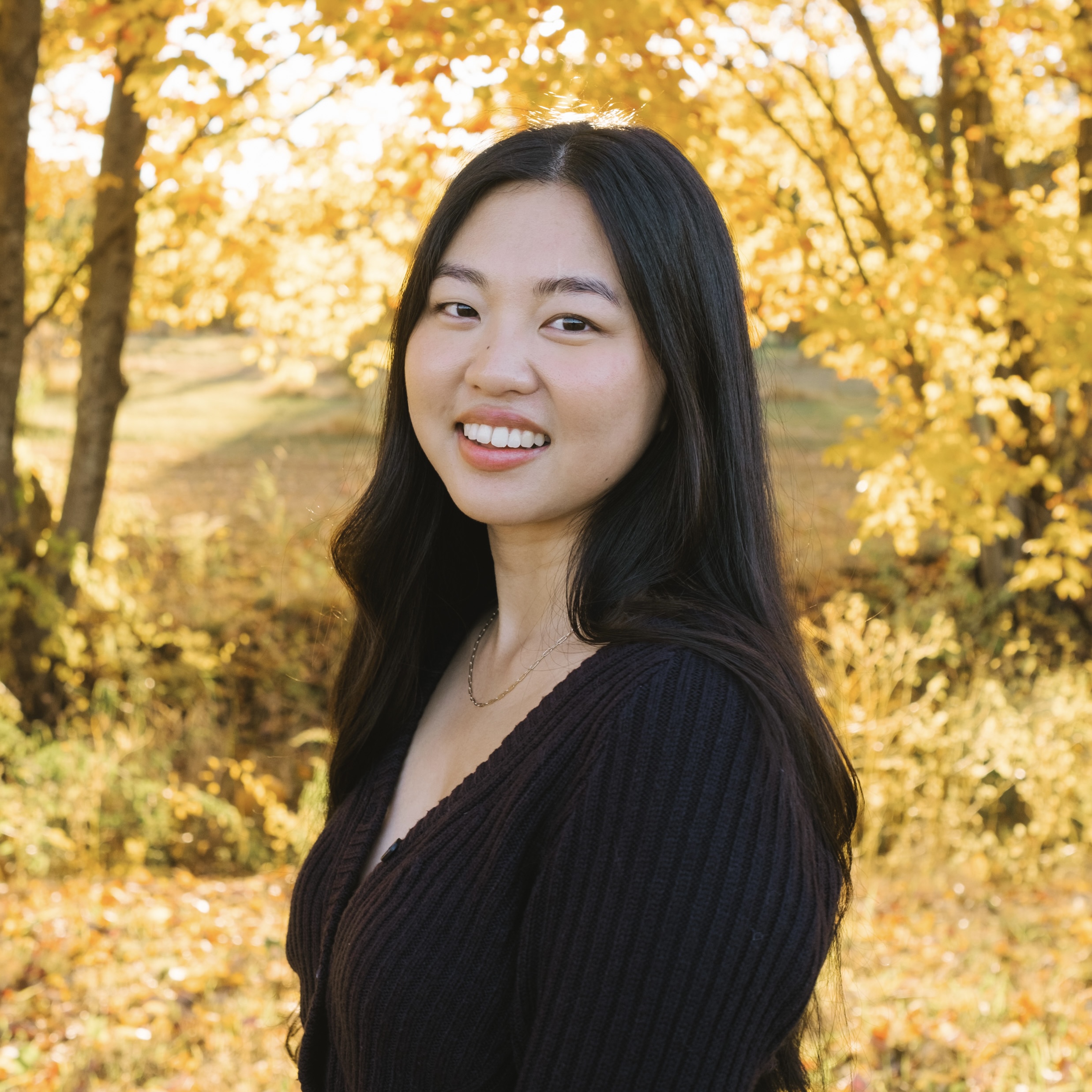
During a DEIA-focused conversation hosted by the Massachusetts State Treasury, AAPIC Chair Tuyet Tran and former Executive Director Yasmin Padamsee Forbes shared personal reflections on culture, language, family, and lived experience, as well as on the importance of language access, intergenerational support, cultural pride, and allyship across communities.
Across the discussion, one theme remained central: inclusion is not about asking people to fit into existing spaces—it is about expanding those spaces so more people can belong.
As one audience participant put it:
“You draw a circle to keep us out. We draw a bigger circle to keep you in.”
Read more: DEIA in Practice: What It Means to Belong
Community Investment and Leadership: FY26 Small Grants Program
AAPIC’s growing visibility and policy influence are made possible by sustained investment in community-led work.
In FY26, the AAPI Commission awarded $102,650 to 27 grantees across Massachusetts, supporting nonprofits, individual artists, small businesses, and grassroots organizations serving AAPI communities.
These awards reflect a highly competitive and deeply engaged field: 145 applications were received, underscoring both the strength of community leadership and the scale of unmet need across the Commonwealth.
Read more: AAPIC Small Grants Program
Listening Across Communities
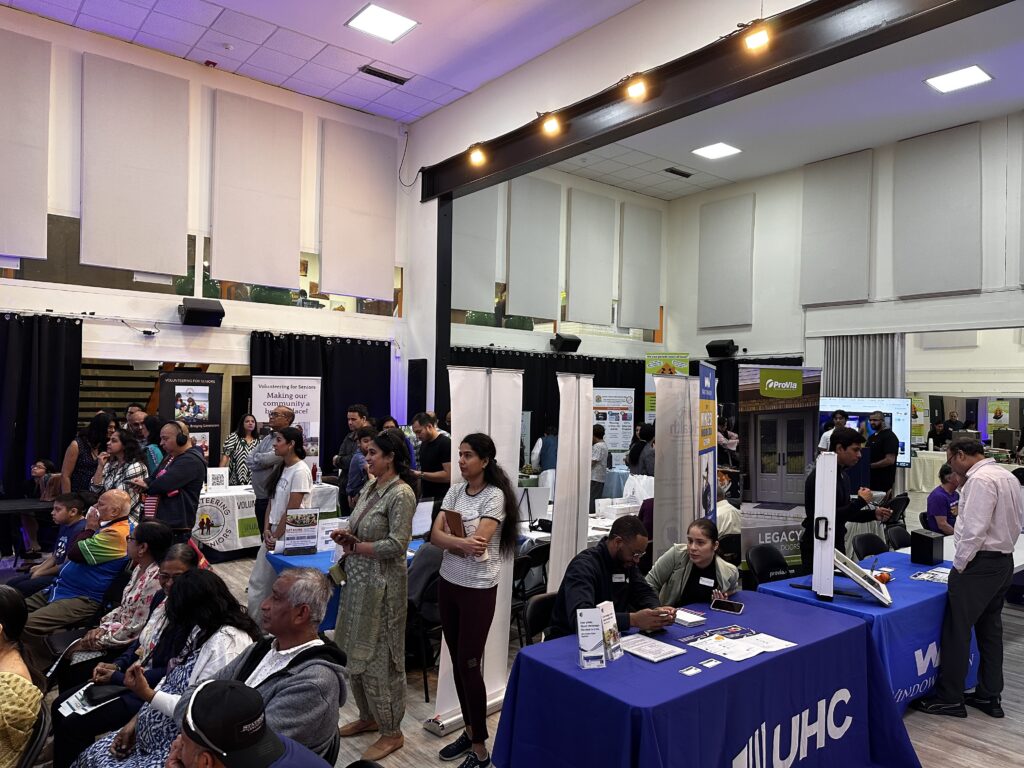
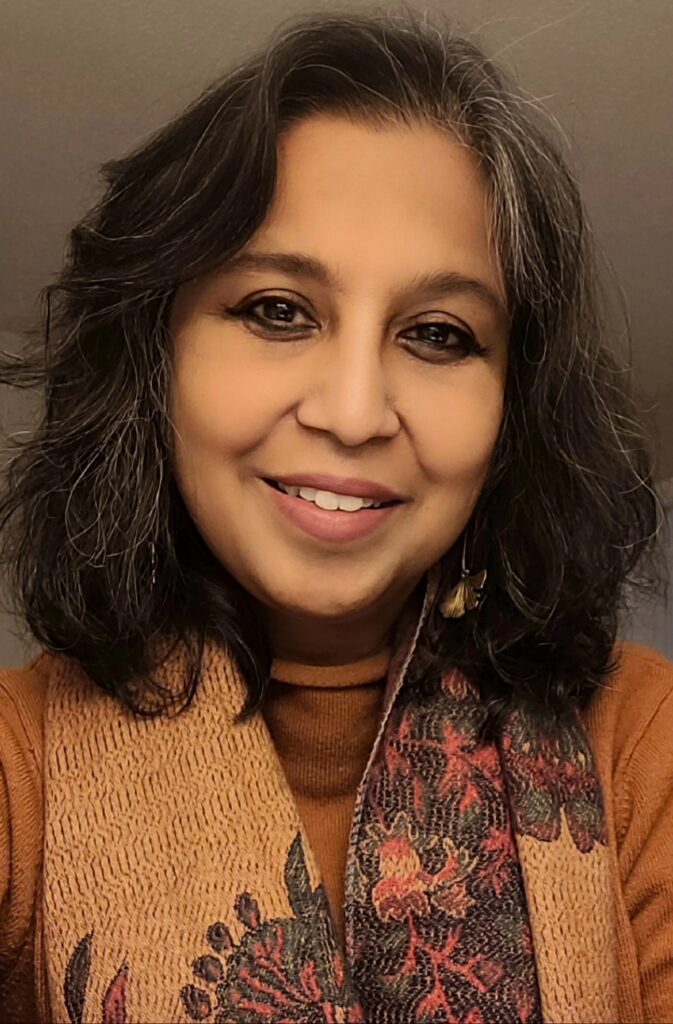
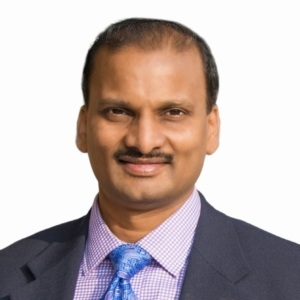
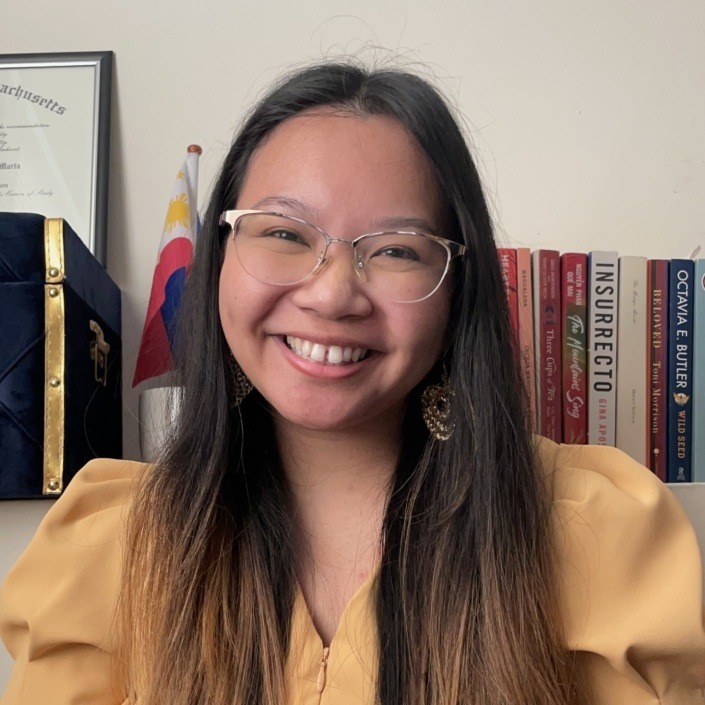
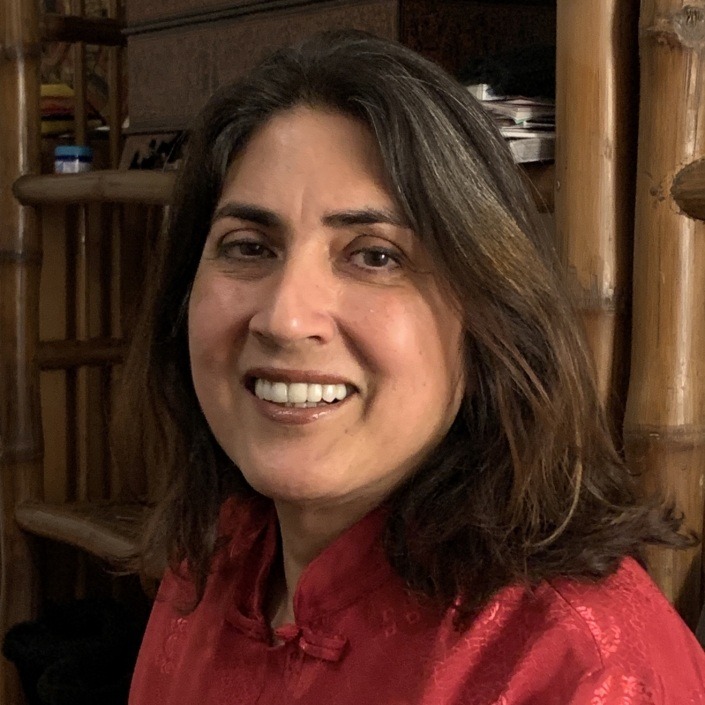
At the New England AANHPI Senior Cultural and Wellness Expo in Burlington—hosted by the India Association of Greater Boston, a FY26 Small Grants Program recipient—Commissioner Vaishali Gade spent the day with seniors, families, and service providers engaged in conversations about health, culture, and access to care.
While the event highlighted critical resources for older adults, it also surfaced persistent barriers many continue to face in navigating systems of care and support.
These conversations continue to inform AAPIC’s understanding of community needs and policy priorities.
Read more: Senior Cultural and Wellness Expo Recap
Belonging Beyond Place: Community Storytelling
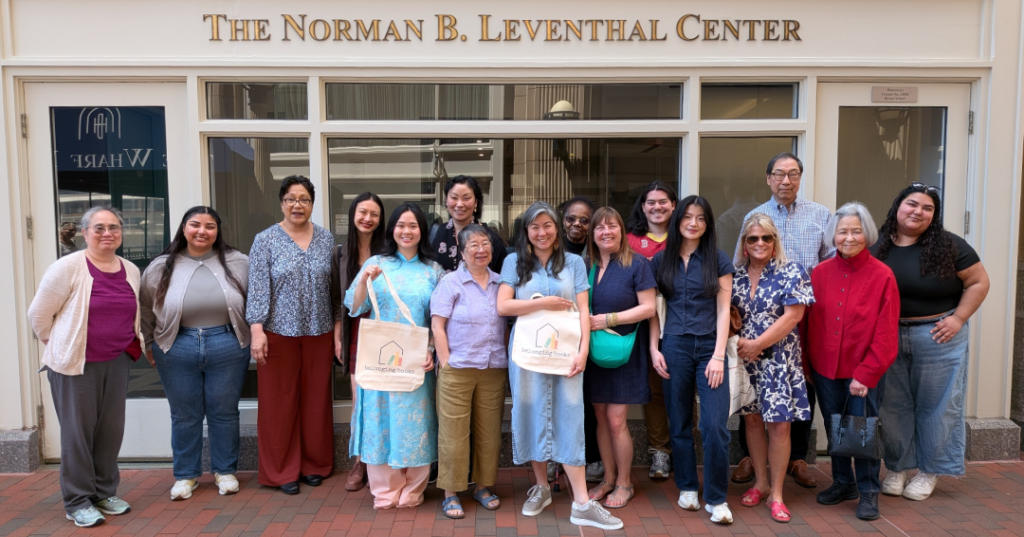
AAPIC also hosted a community screening of Unerased: Asian Voices of Cape Cod followed by a panel discussion in Boston.
The conversation invited reflection on identity, invisibility, and what it means to build lives in places where Asian and immigrant narratives have historically been underrepresented.
The film sparked powerful dialogue on belonging and the importance of centering stories that have too often gone unheard.
Read more: “I’m Not the Only One”: Conversations on Asian Identity and Belonging
Strengthening Capacity for a Growing Mandate
As AAPIC’s visibility, engagement, and responsibilities continue to expand, so too does the need to strengthen internal capacity.
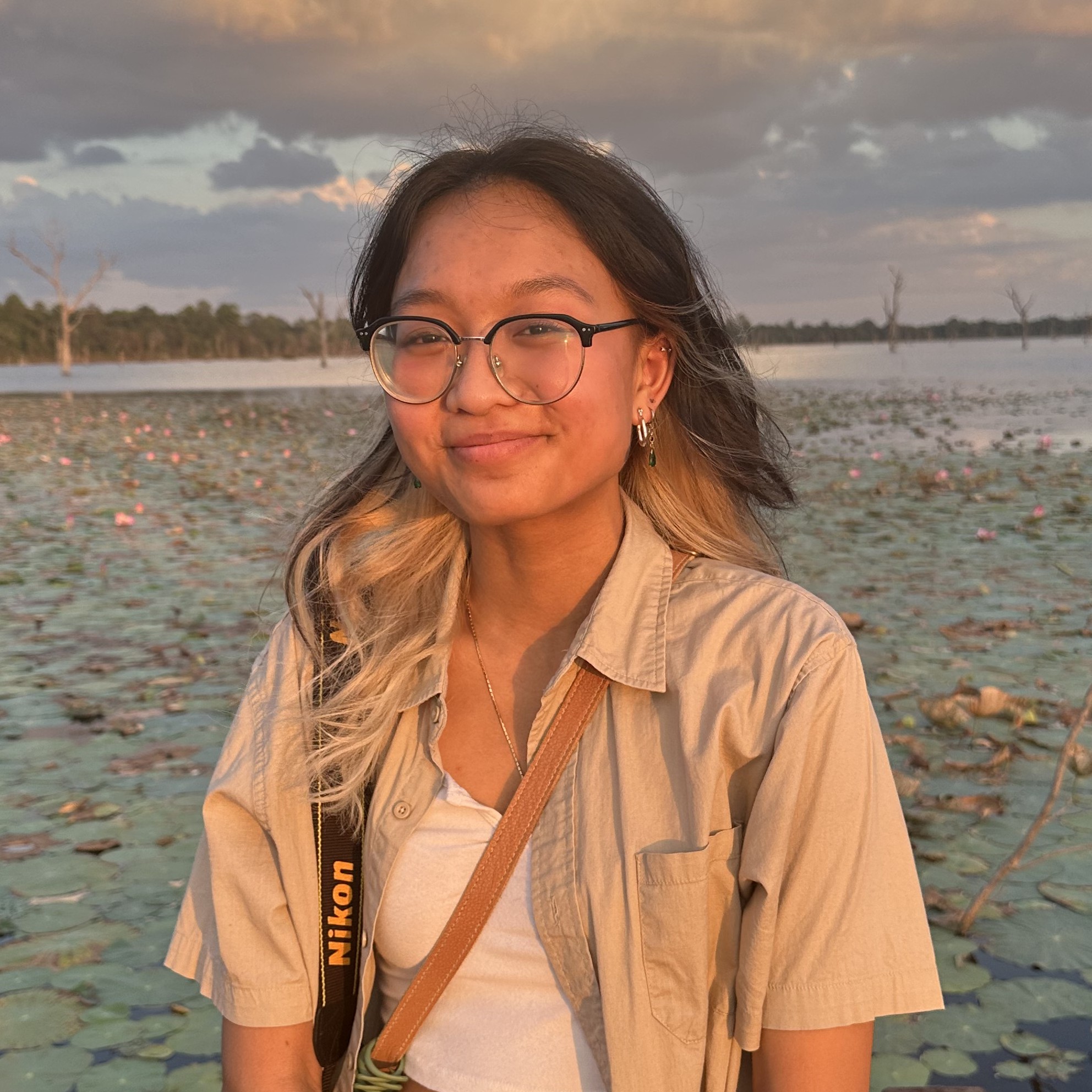
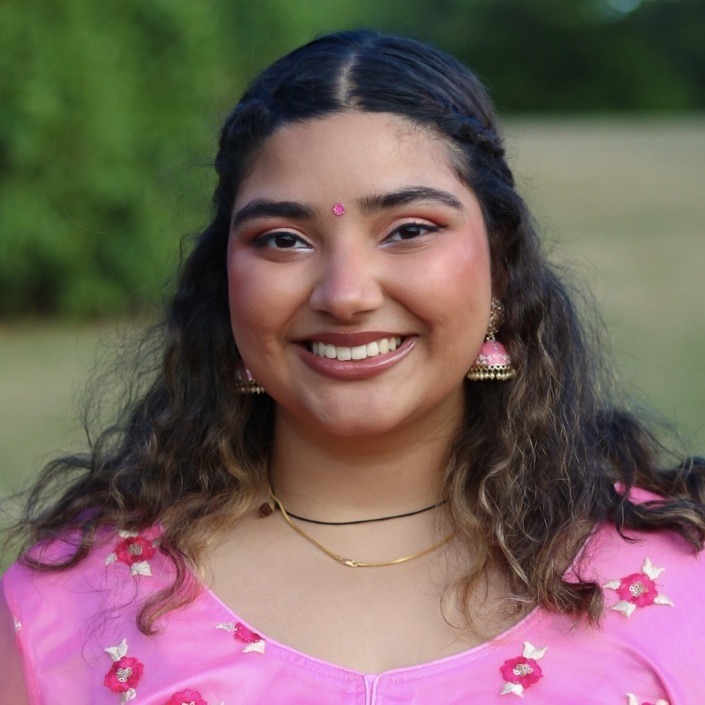
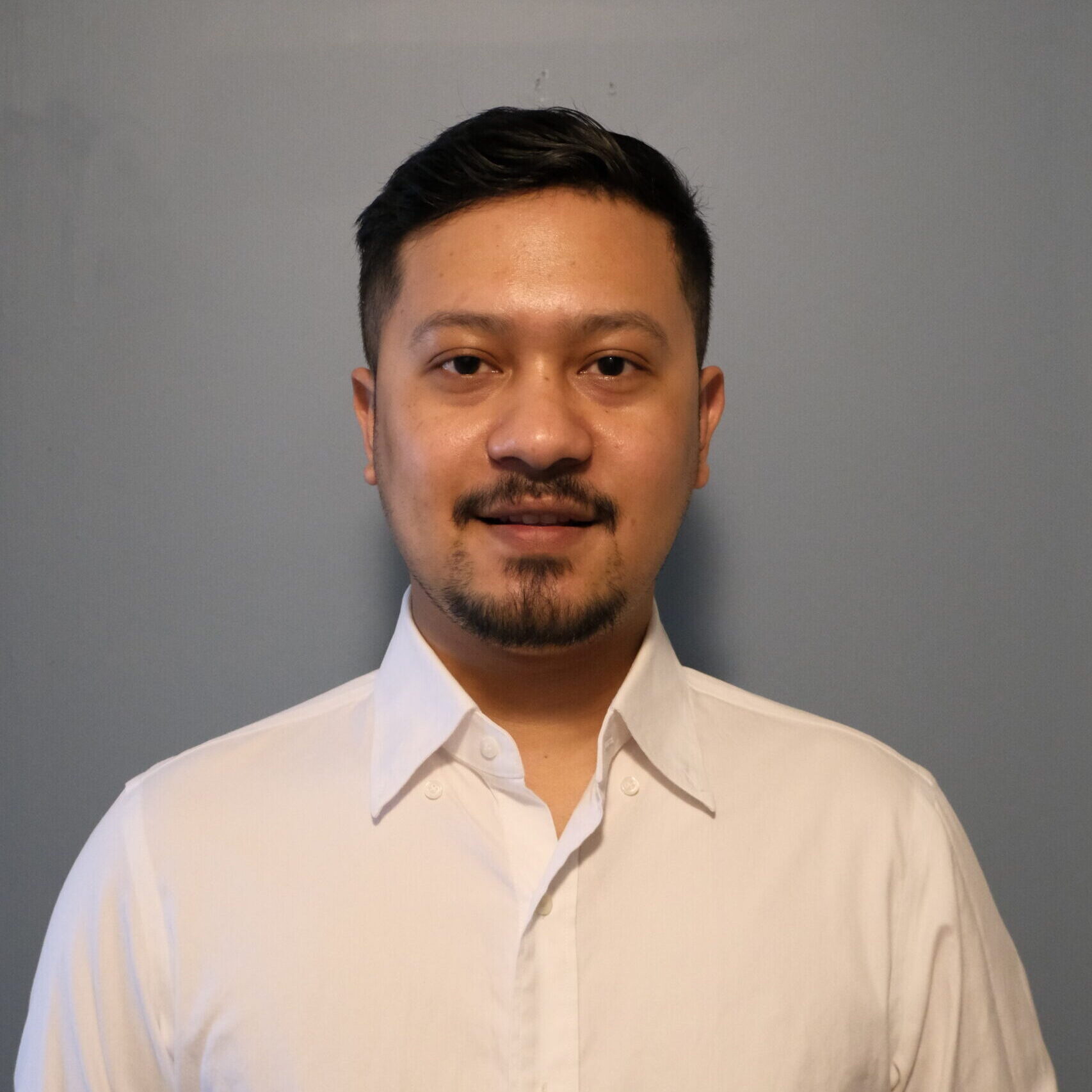
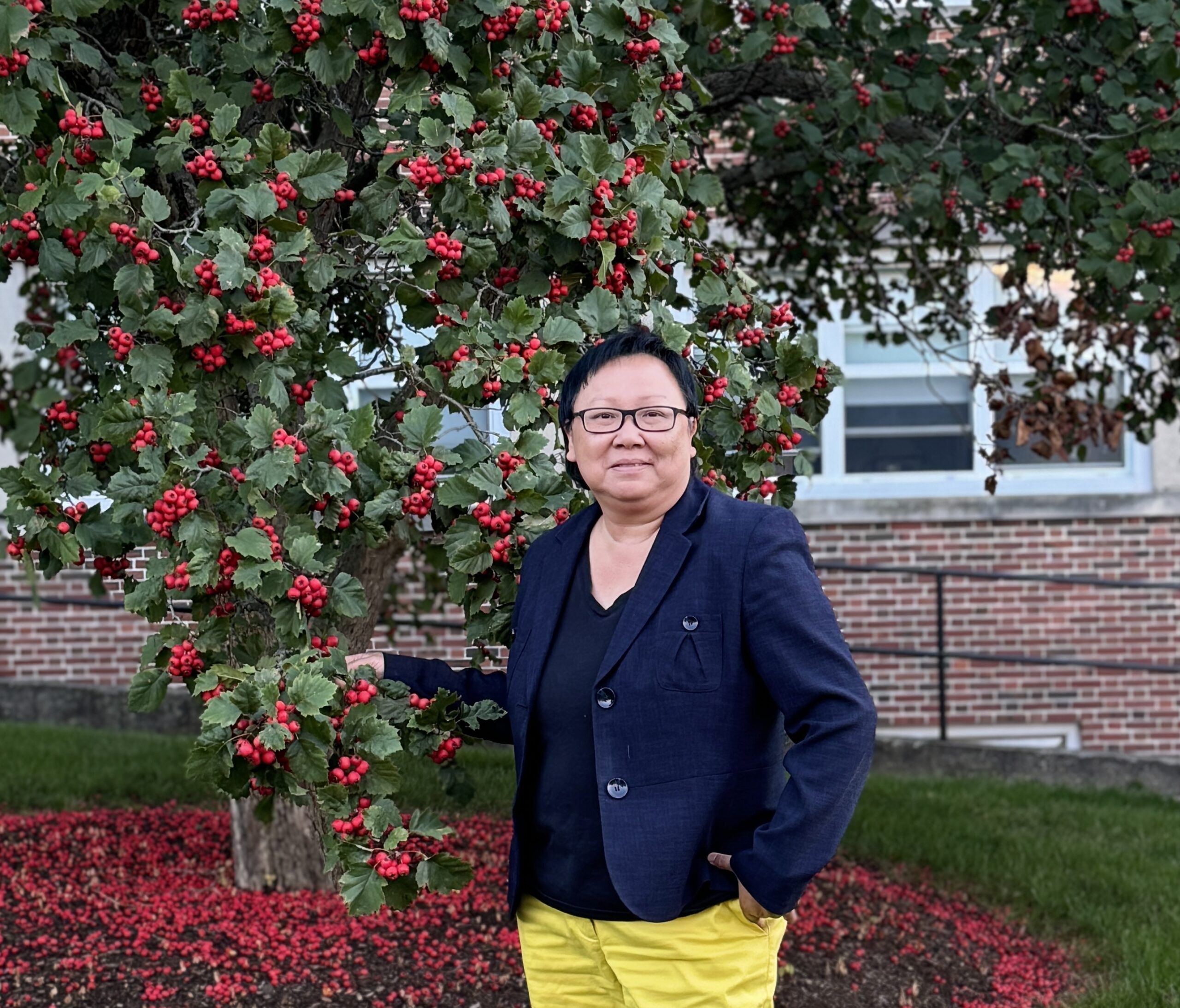
This year, the Commission welcomed two new staff members whose expertise enhances its ability to engage communities and advance communications and policy work across Massachusetts.
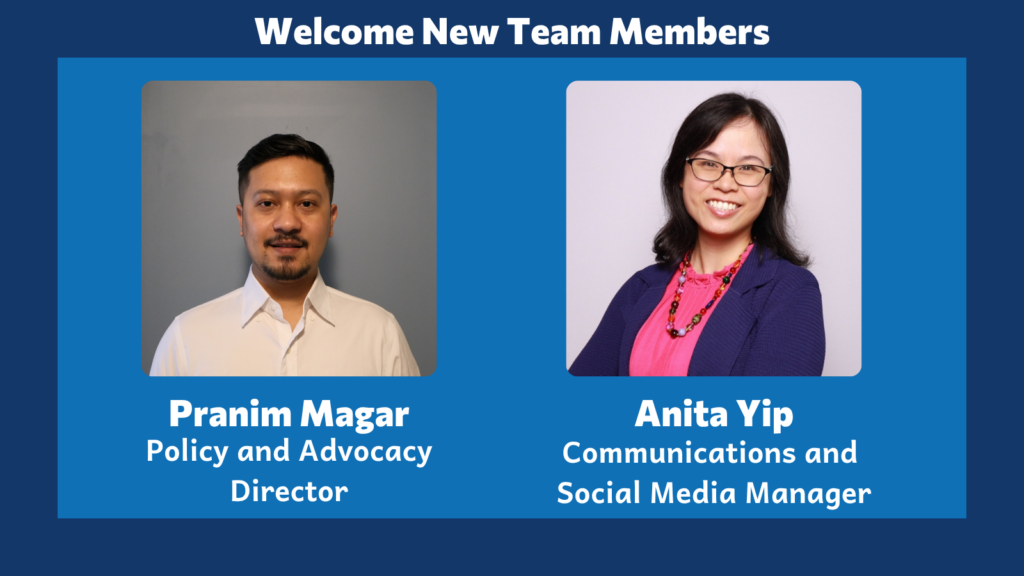
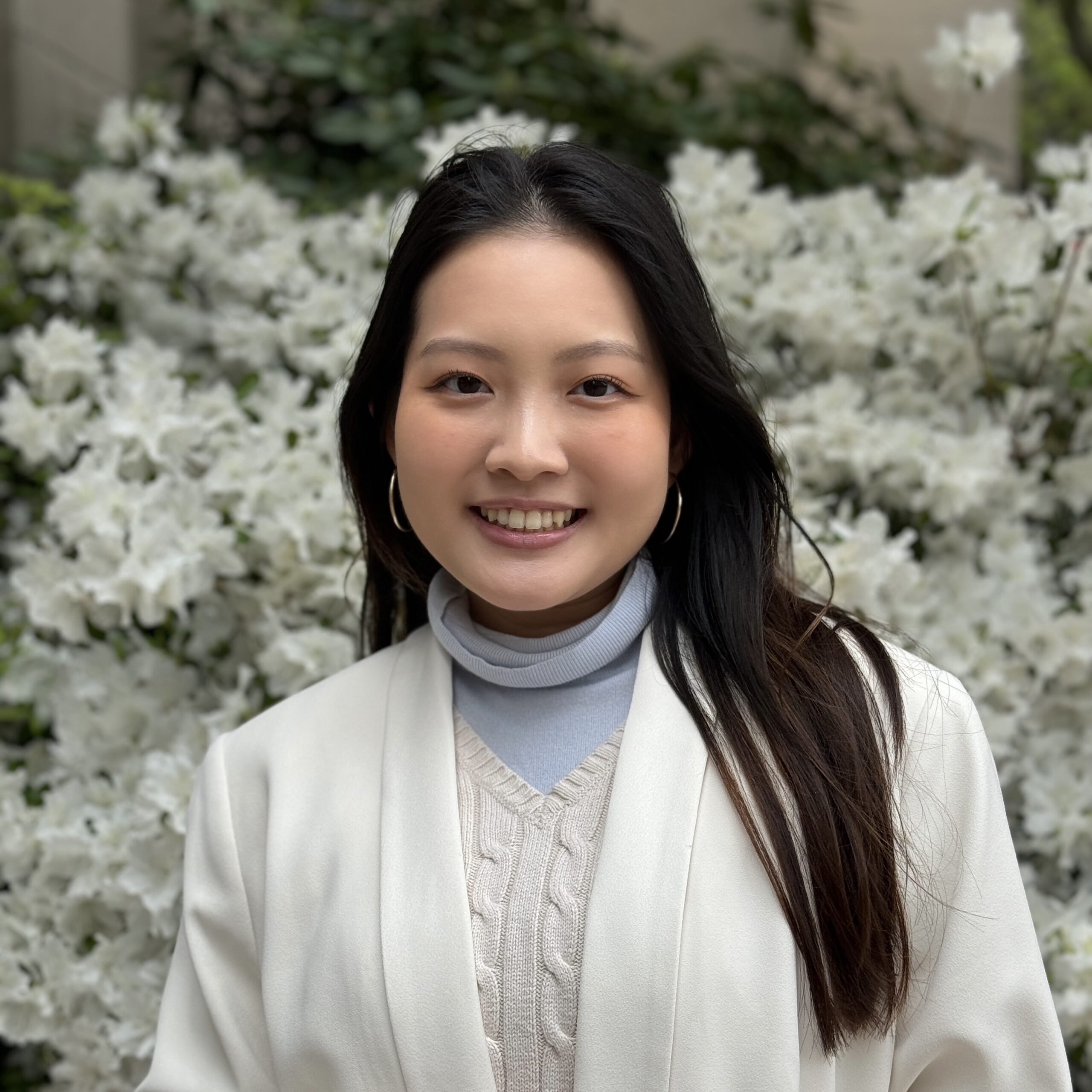
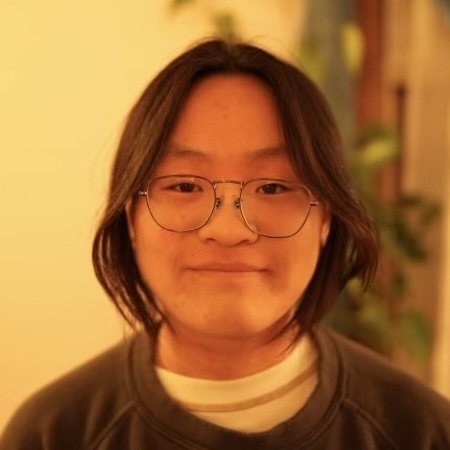
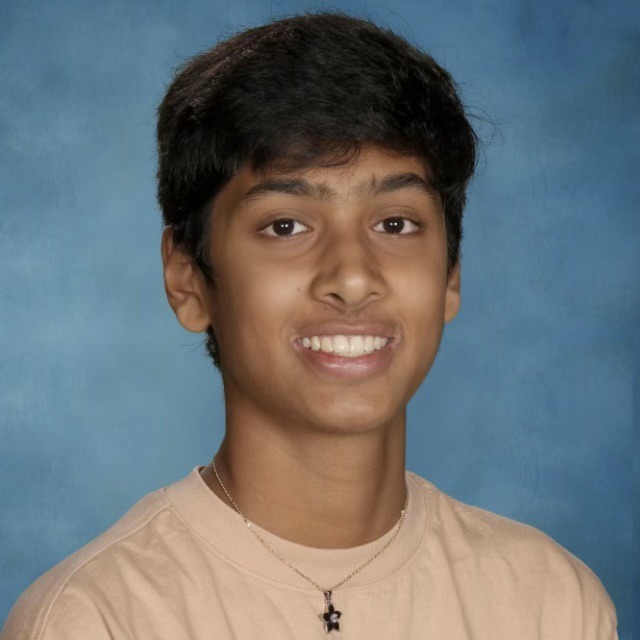
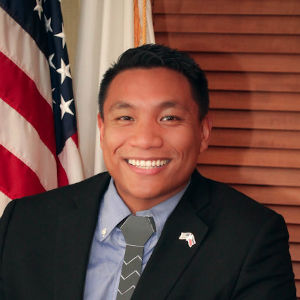
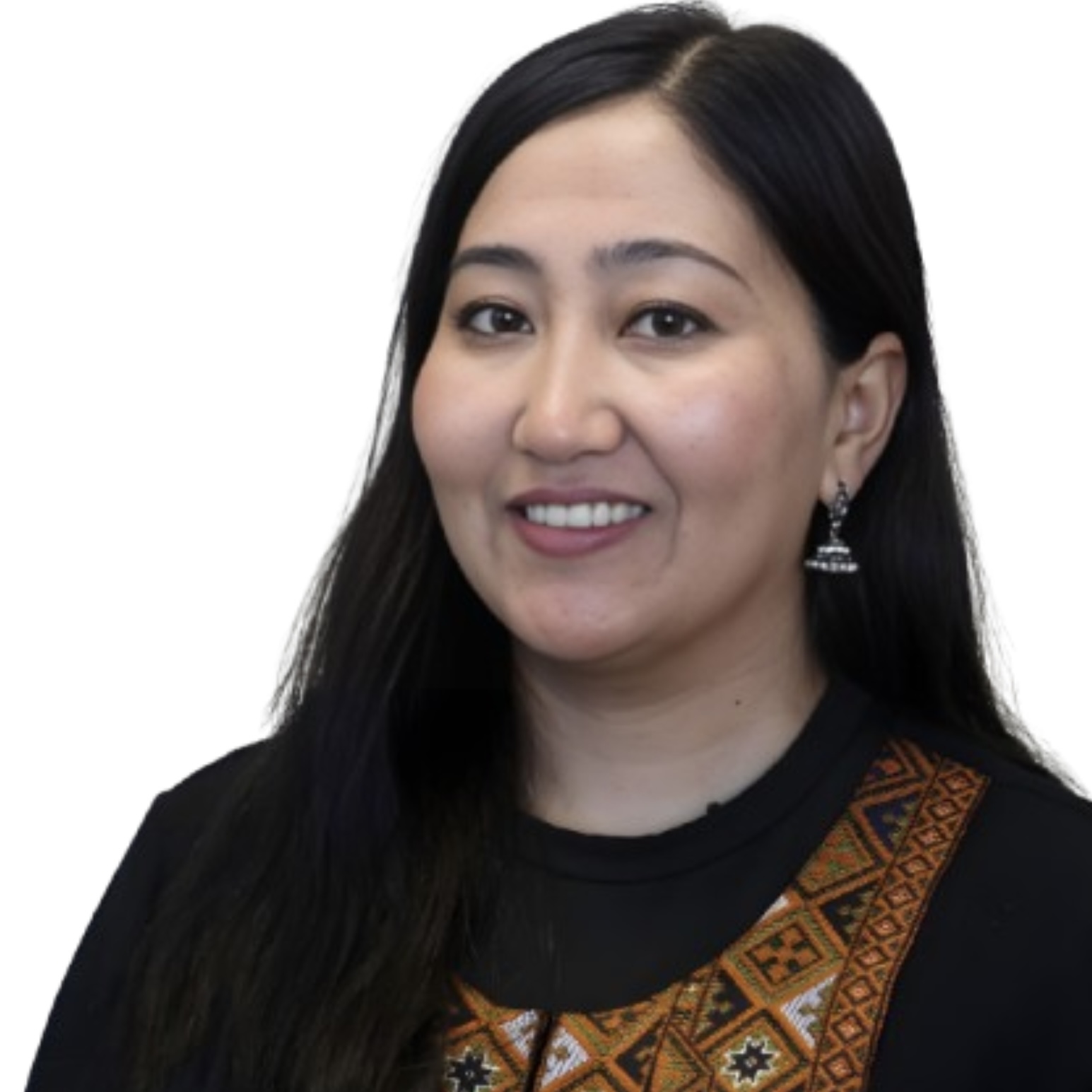
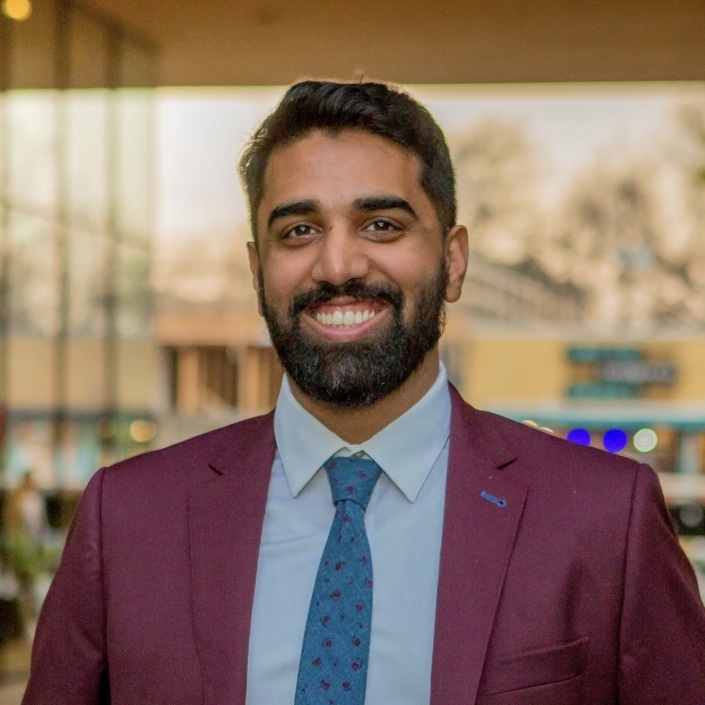
Pranim Magar joins AAPIC with extensive experience in community engagement, advocacy, and program leadership. A former Program Director at the ACE Center for New Americans and Graduation Mentor with Lowell Public Schools, Pranim has spent his career supporting refugee, immigrant, and underserved communities. Born in a Bhutanese refugee camp in Nepal, he brings a deep commitment to advancing equity, representation, and access through community-centered work.
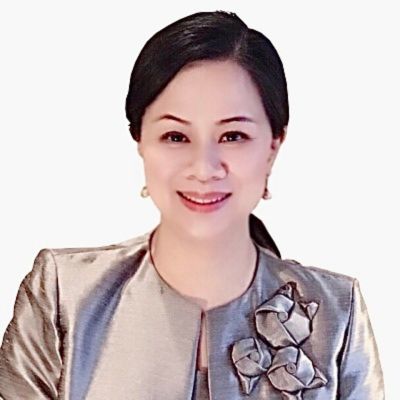
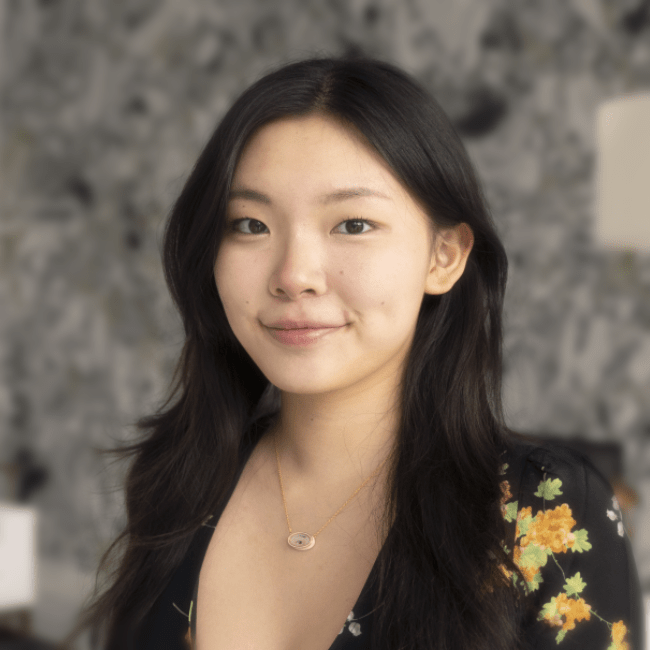
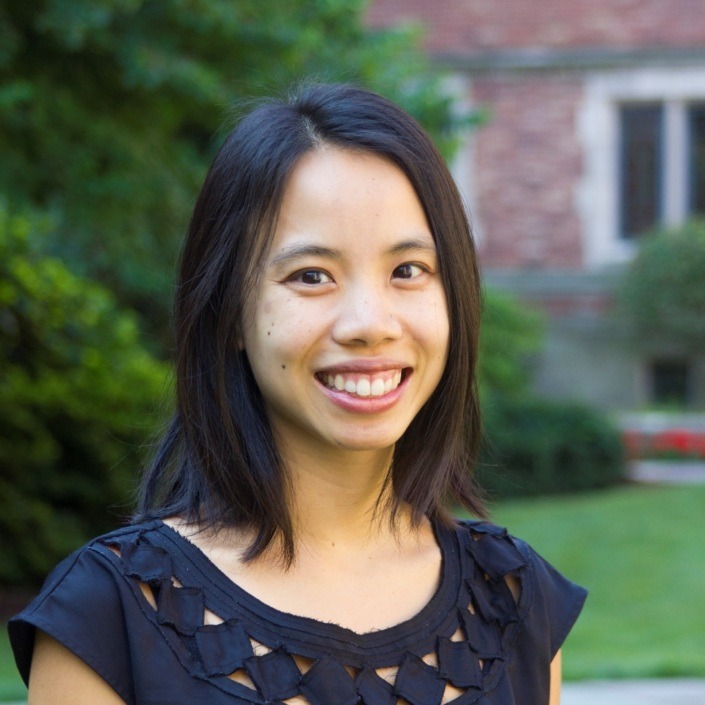
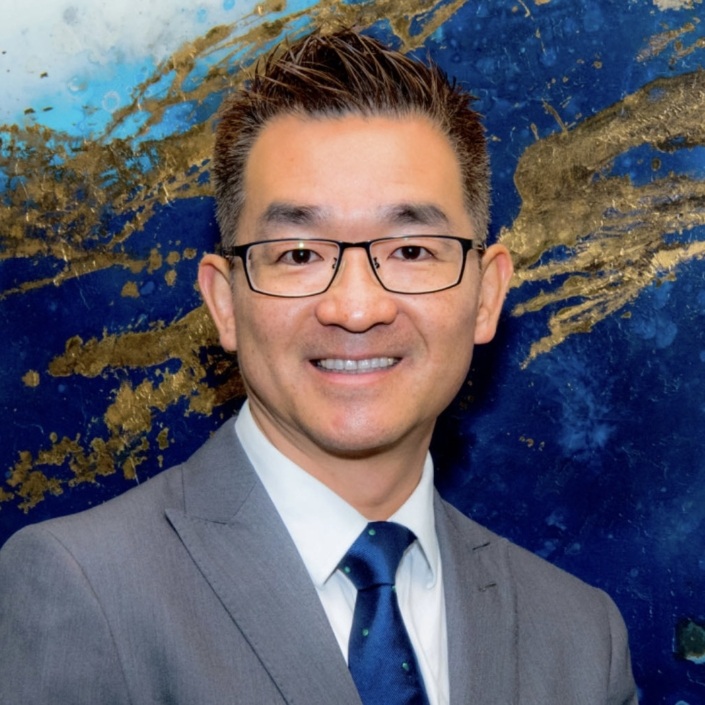
Anita Yip joins the Commission as a communications and cultural strategist whose work centers on increasing the visibility of Asian American communities through storytelling and public engagement. As founder of Project Asian Joy, she has helped invest directly in communities through creative initiatives while elevating local stories and histories. Her work has focused on building connections between culture, civic engagement, and community belonging.
Together, they bring valuable expertise that will help expand outreach, strengthen partnerships, and support the Commission’s growing policy and advocacy efforts.
Read more: Meet the AAPIC Team
From Community Voice to Policy Evidence
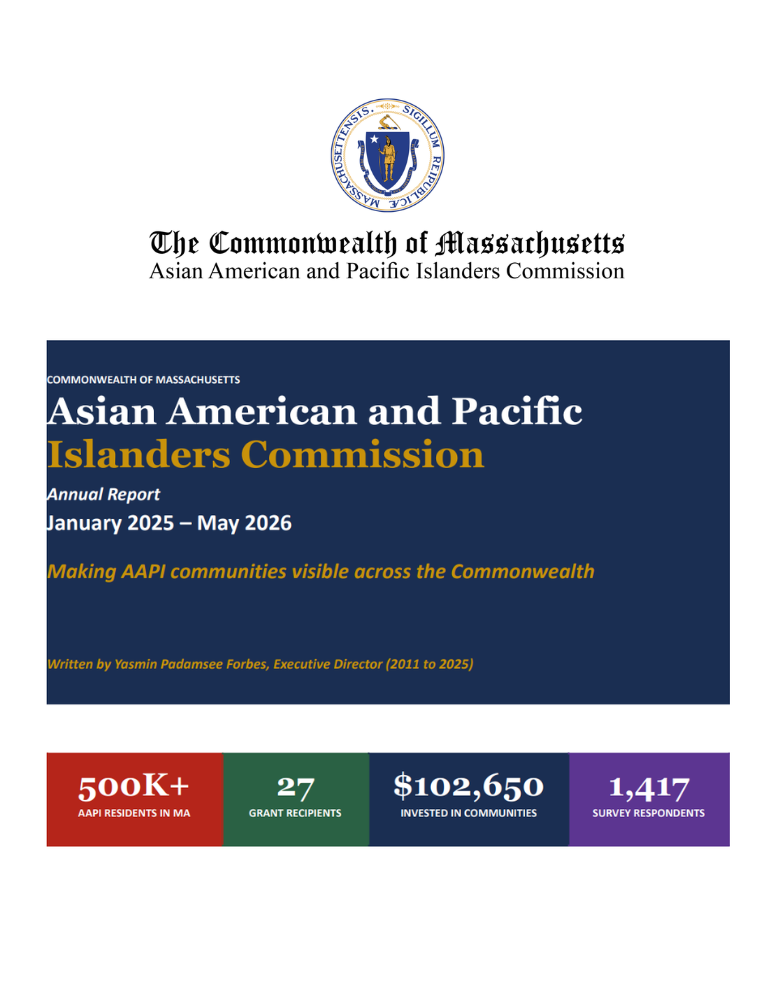
This month also marked the release of AAPIC’s 2025–2026 Annual Report, highlighting the progress made over the past year and the work that still lies ahead.
At the center of the report is No Longer Invisible, the first statewide survey of Asian American and Pacific Islander residents in Massachusetts. Drawing on more than 1,400 responses, the survey provides critical insight into the experiences of AAPI communities across the Commonwealth.
Together, the survey data, grantmaking, and community engagement efforts provide a roadmap for future advocacy and policy recommendations.
Read more: 2025–2026 Annual Report: From Community Voice to Policy Evidence
Looking Ahead
AANHPI Heritage Month demonstrated the power of bringing together community members, advocates, public officials, and organizations around a shared commitment to equity, representation, and belonging. But the work does not end here.
Guided by community voices, informed by research, and strengthened through partnerships across the Commonwealth, AAPIC will continue advancing policies, recommendations, and collaborations that support the evolving needs of AAPI communities.
We are grateful to everyone who joined us throughout Heritage Month and helped make these conversations possible.
The future of this work will continue to be built with the communities we serve—and we invite you to help shape what comes next.
Stay connected. Share your perspectives. Join a community conversation. Help elevate voices that should be heard.
Together, we move from community voice to policy impact.