At an AANHPI Heritage Month celebration in the Governor’s Office, Governor Maura Healey praised the Asian American and Pacific Islanders Commission — its commissioners, its staff, and its mission — and called for more advocacy and policy recommendations going forward.
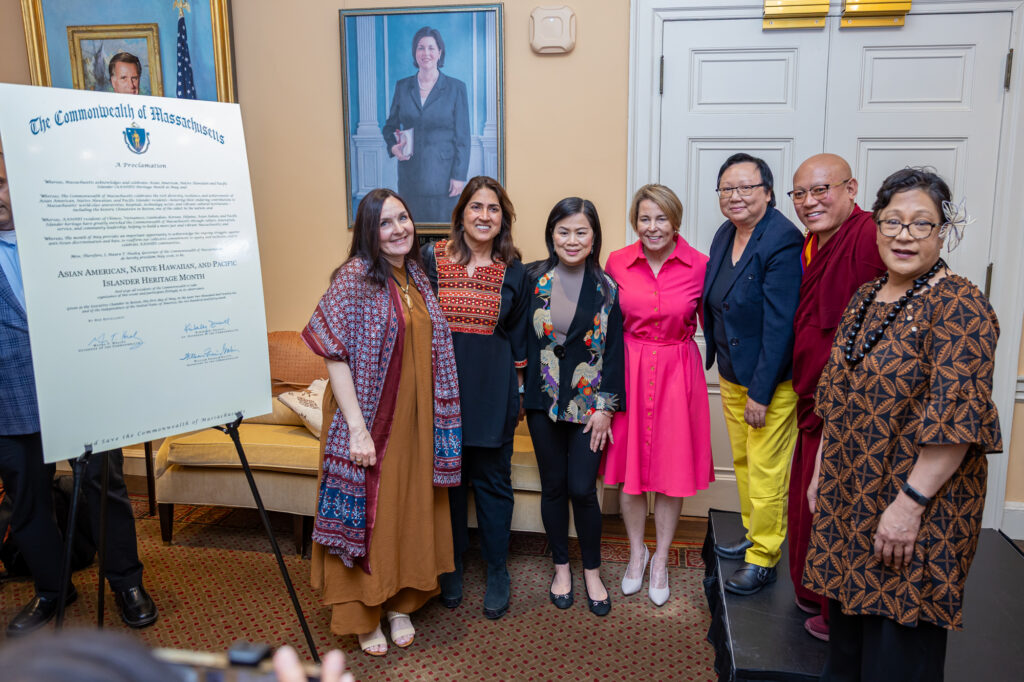
Photo Credit: Emily Boyle/Governor’s Press Office
“This is a place for advocacy and policy change and reforms, and the like. Thank you to all who served on the Commission. Thank you, Madam Chair, for your leadership. And I look forward to more recommendations and things that come out of that important, important work.” — Governor Maura Healey · AANHPI Heritage Month Reception, May 2026
The room was full. Commissioners, staff, community leaders, advocates, and legislators gathered in the Governor’s Office for an AANHPI Heritage Month celebration that many in attendance described as the most meaningful state recognition the Commission has received in years. When Governor Maura Healey stepped to address the group, she did not offer ceremonial pleasantries. She was direct.
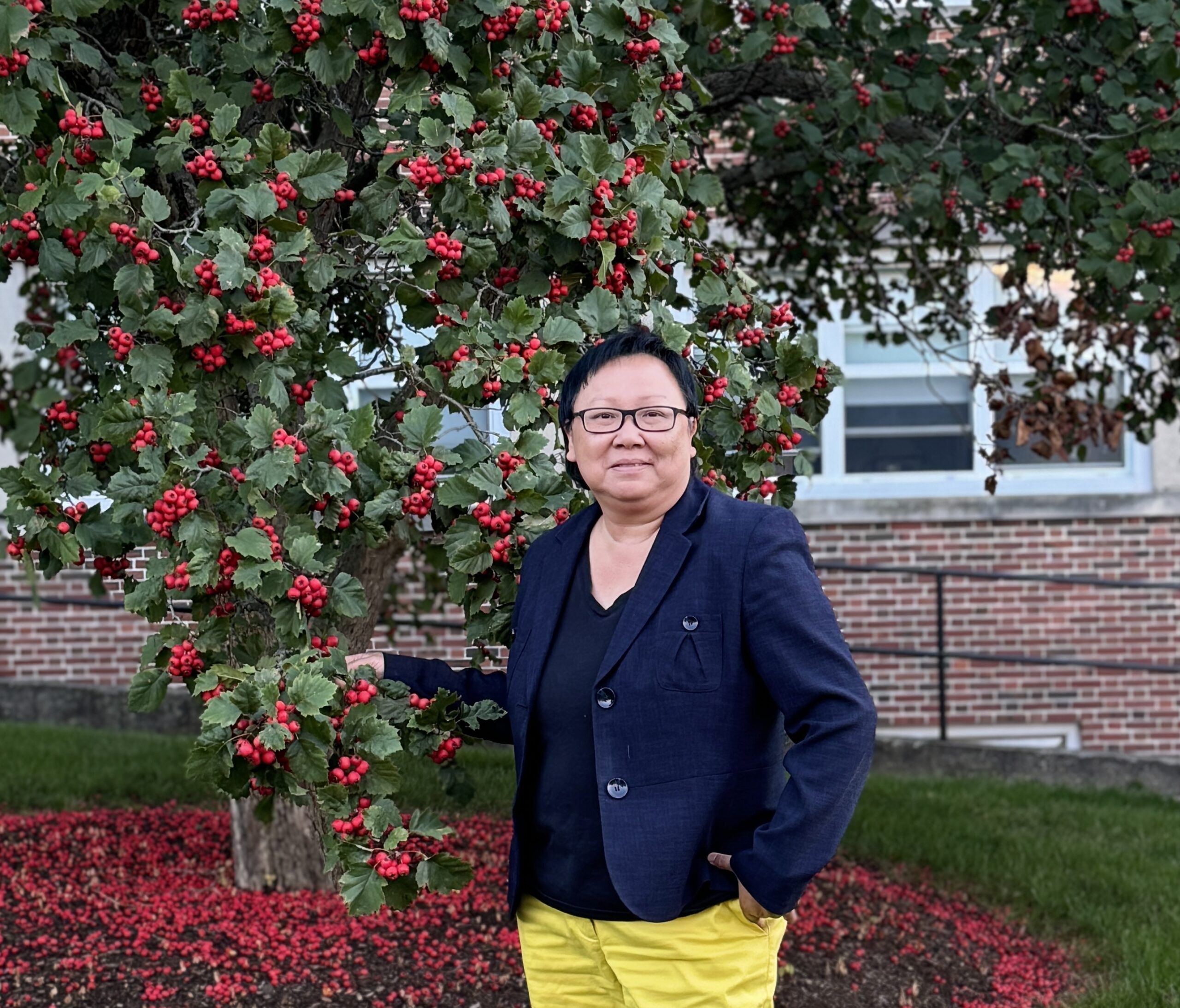
She praised the Asian American and Pacific Islanders Commission. She thanked commissioners for their service. She acknowledged Madam Chair Tuyet Tran. And then she said something that cut through the ceremony and landed as a directive:
"This is a place for advocacy and policy change and reforms."
That phrase — this is a place for advocacy and policy change — is the clearest public signal the Commission has received from the Governor’s Office about what AAPIC’s work means and what it is expected to produce. Not just celebrations. Not just surveys. Policy. Change. Reform.

Why the Governor’s Words Matter
Massachusetts is home to more than 500,000 AAPI residents — the fastest-growing major racial group in the state. And yet, as the Commission’s own landmark 2025 No Longer Invisible survey revealed, these communities remain profoundly underserved. Only 39% of AAPI residents in Massachusetts strongly agree they feel they belong here. Thirty percent struggle to afford housing. Sixty-four percent of those who experience discrimination never report it.
The Governor’s recognition of AAPIC’s role is not just symbolic. It is a signal to legislators, state agencies, and the public that the work of this Commission — the listening sessions, the grants, the survey, the policy testimony — matters at the highest level of state government. When the Governor says she looks forward to more recommendations, she is giving the Commission both permission and a mandate.
A Charge, Not Just a Compliment
Commission Chair Tuyet Tran received the Governor’s recognition with the weight it deserved. The Governor’s words — ‘I look forward to more recommendations and things that come out of that important, important work’ — are both a validation of what has been built and a call to build more.
"Thank you to all who serve on the Commission. Thank you, Madam Chair, for your leadership." |
— Governor Maura Healey
Looking Ahead
The Commission will carry the Governor’s charge forward in the months ahead — continuing to build the policy recommendations, legislative priorities, and community partnerships that ensure AAPI voices shape Massachusetts government at every level. The work is not finished. The Governor made clear she is listening for more.
For the commissioners, staff, and community members who gathered in that room on a spring afternoon in 2026, the message was unmistakable: this is a place for advocacy and policy change. And the Commission intends to use it.