A first look at how AAPIC Small Grants are supporting AAPI communities across Massachusetts
AAPIC’s Small Grants Program directs public resources to organizations and community-led efforts that benefit AAPI communities across Massachusetts.
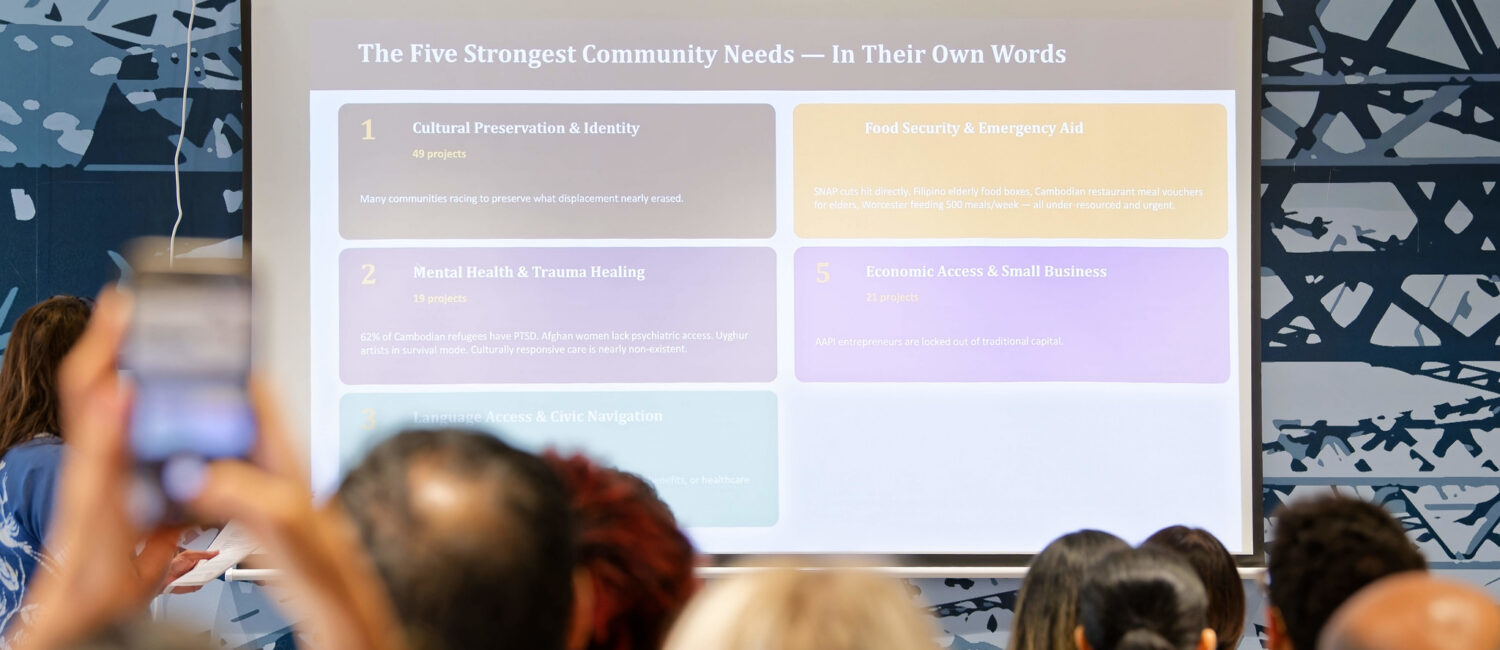
This year, AAPIC received 142 applications, showing the breadth of community-led work happening across Massachusetts. Grantee reporting is still underway, but the reports we’ve received so far give us an early look at what these grants are supporting.
Giving young people a chance to lead
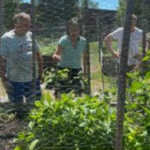
In June, SayDaNar/Lowell International Church brought approximately 50 Burmese youth ages 18–24 together in Groton for a leadership camp focused on resilience, cultural connection, community building, and leadership development.
Five Lowell youth also helped plan the camp throughout the year, taking on responsibilities including fundraising, budgeting, registration, logistics, and purchasing.
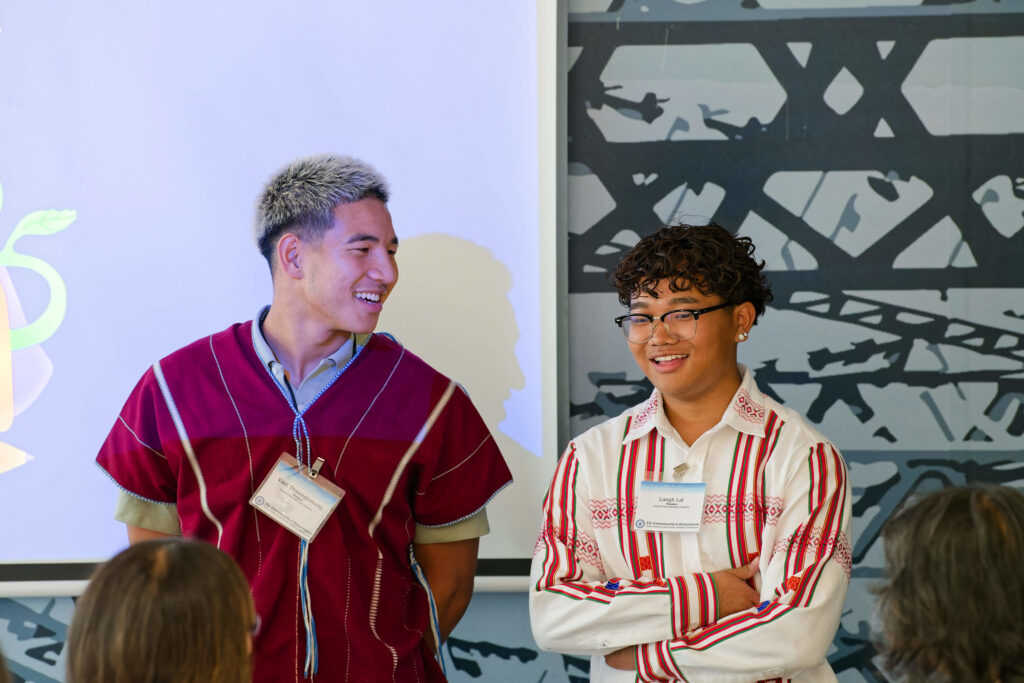
Photo Credit: Lee-Daniel Tran
One youth reflected on the experience:
“Although this was my first time helping organize camp, and I was definitely nervous, I’m so glad I got to see it through.”
The grant gave these young people an opportunity to take on real responsibilities while helping create a program for their peers.
Keeping culture visible and connected across generations
The Boston Uyghur Association used its grant to organize a cultural festival in Cambridge that brought nearly 300 people together for traditional music, dance, calligraphy, cultural demonstrations, and other activities.
The festival introduced Uyghur culture to the broader community while giving children and families a chance to experience and celebrate their heritage.
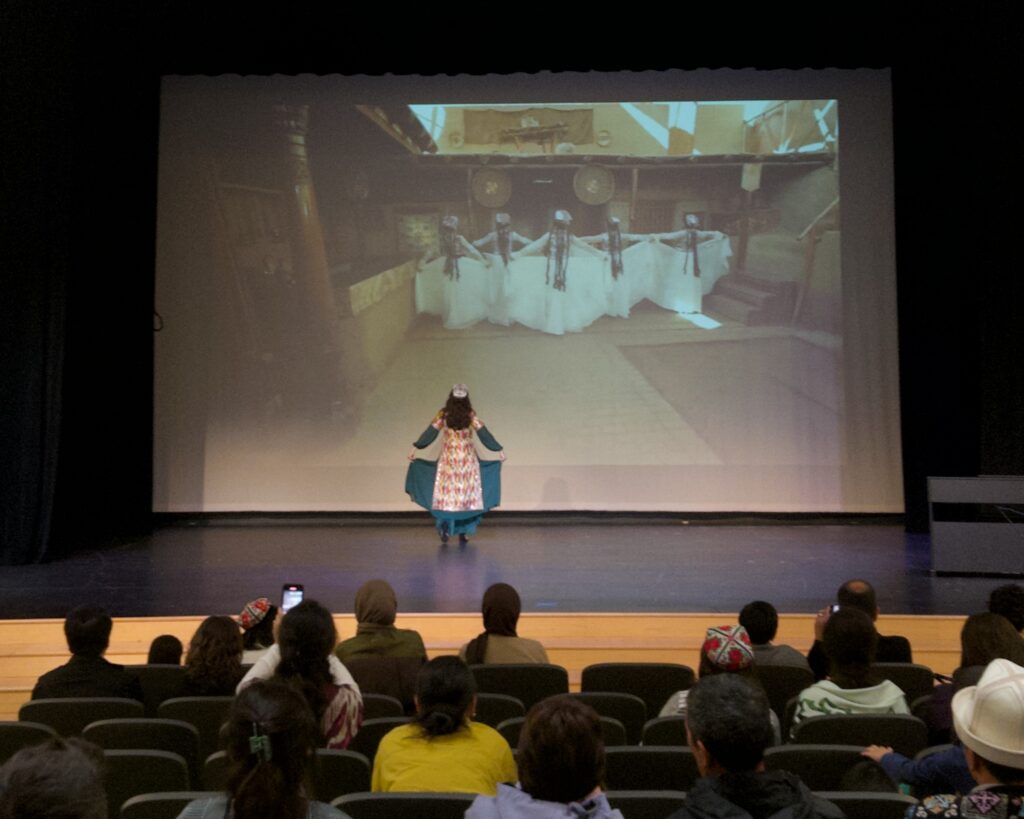
One moment captured why that matters. After watching two teenagers perform traditional Uyghur dance, a three-year-old asked:
“When can I get on the stage and dance like them?”
For the organizers, passing culture on to the next generation is at the heart of this work.
Creating places where people feel supported
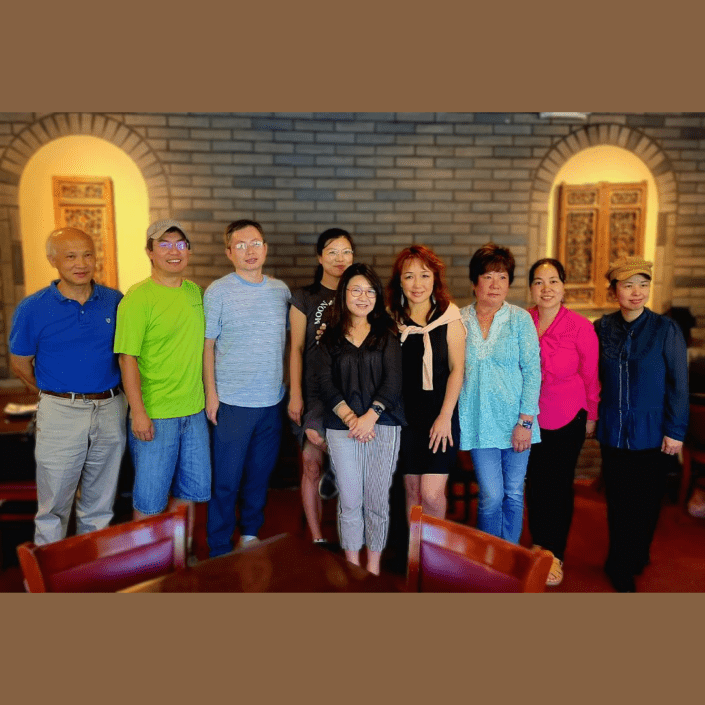
In Greater Springfield, the Springfield Vietnamese Cultural Association (SVCA) used grant support for weekly senior gatherings, community education, translation assistance, health information, immigration referrals, and cultural programming.
Approximately 140 people participated in grant-supported activities, with about 90 directly benefiting from services, referrals, education, translation, and other assistance.
For one Vietnamese immigrant senior with limited English, the weekly gatherings have become a place to connect with others, receive information in his own language, and get help accessing resources.
He described it this way:
“When I come to SVCA, I don’t feel alone. I can talk with friends, ask for help, and feel like I am part of a family.”
That is the kind of support community-based organizations can provide: trusted, culturally responsive help that meets people where they are.
More stories to come
These are just a few examples from the grantee reports received so far. As more information comes in, we’ll continue sharing what we’re learning about the programs, the people they reach, and the outcomes grantees are seeing.
For now, these early stories show what public investment can support across Massachusetts: young people developing leadership skills, families connecting across generations, and residents finding trusted support close to home.