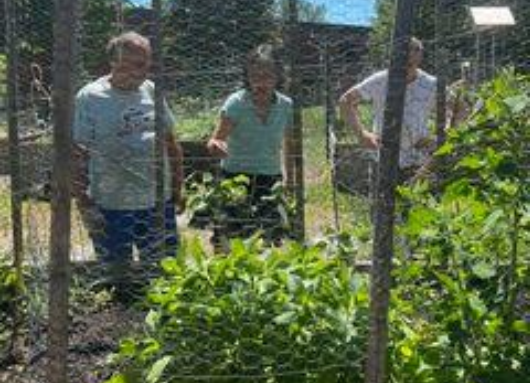
Across Massachusetts, AAPI community organizations are drawing on culture, relationships, creativity, and local knowledge to strengthen well-being in ways that reflect the communities they know best. Through its Small Grants Program, AAPIC is investing in that community expertise.
Mental health and well-being can take many forms. Sometimes it begins with a conversation. Sometimes with time in a garden, a shared meal, movement, art, storytelling, or the opportunity to connect across generations.
The three projects highlighted here took different approaches. What they share is a focus on creating spaces where people could connect, participate, and access support in ways that made sense for their communities.
CREATING SPACE FOR STORIES ACROSS GENERATIONS
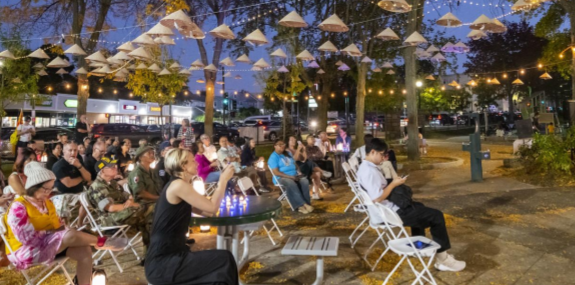
An older participant began sharing memories of migration, family, and rebuilding a life in the United States.
Younger participants listened—and connected those stories to their own Vietnamese American identity.
That exchange was part of 1975: A Vietnamese Diaspora Commemoration Initiative, a series of Creative Well-Being events that brought approximately 75 Vietnamese and AAPI community members together in English and Vietnamese.
Elders, youth, families, artists, veterans, immigrants, refugees, and descendants explored memory, migration, identity, belonging, resilience, and healing through artmaking, guided reflection, storytelling, and intergenerational conversation.
People who initially came together for an activity became more comfortable sharing their own stories. Some stayed beyond the scheduled activities to continue conversations and connect with others.
The project also brought together artists and cultural organizations, creating relationships that could support continued opportunities for culturally centered wellness.
What began as a commemoration became something more: a space where generations could listen to one another, make meaning from shared history, and connect through experiences of migration, identity, and belonging.
FINDING A PATHWAY INTO WELL-BEING
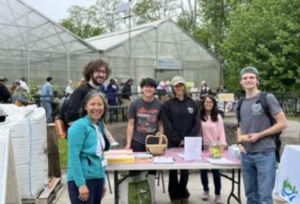
In Lowell, a garden became a place to talk about wellness.
Through MindSpire Mental Health & Wellness, approximately 25 Cambodian and Southeast Asian community members participated in activities that included gardening, food access, creative expression, and wellness education.
At a North Common Community Garden workday and a Mill City Grows plant sale, participants could connect through activities rooted in everyday community life. The project also incorporated an AAPI artist, a Mobile Market, and Khmer-language support.
That combination created an opening for conversations about mental health and well-being that might otherwise be difficult to begin.
Rather than separating wellness from the rest of people’s lives, the project brought several pieces together: food, gardening, creativity, language, education, and connection.
Khmer interpretation helped make the space more accessible, while gardening and food access provided familiar, low-pressure ways to engage.
A conversation about mental health did not have to begin in a clinical setting. It could begin in a garden, around food, or while taking part in an activity with neighbors.
The project connected mental health education, social connection, language access, and food access in one community-based setting.
MAKING ROOM FOR BELONGING
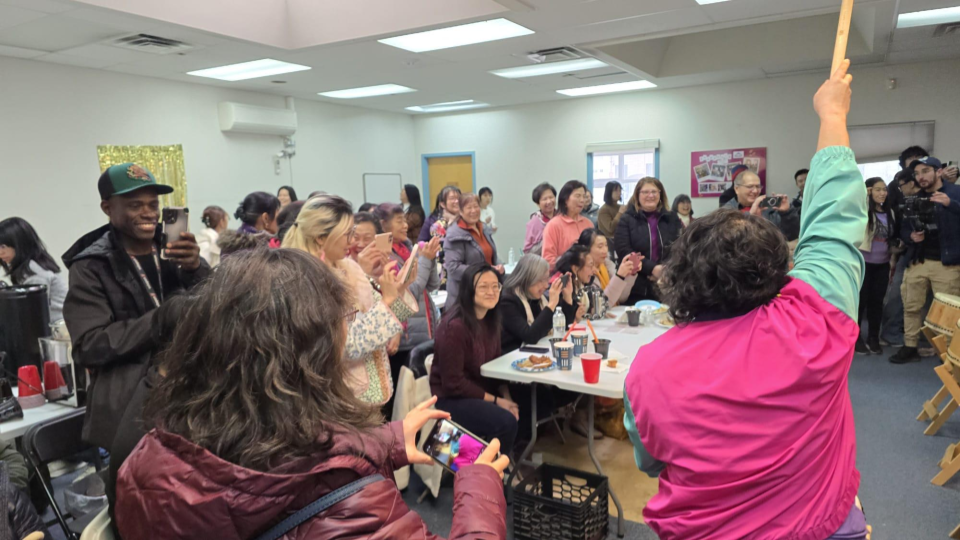
In Malden and Medford, GMAACC approached well-being through another familiar experience: being together.
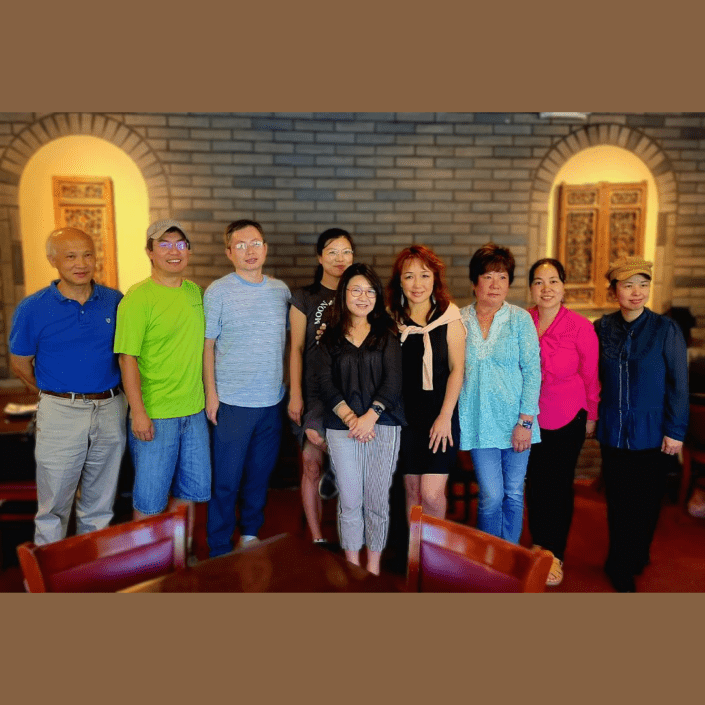
The Greater Malden Asian American Community Coalition’s AAPI Belonging in Malden and Medford project brought youth, adults, families, and seniors together through multilingual gatherings, farmers markets, a block party, and qigong.
Across those settings, participants had opportunities to meet neighbors, move together, share stories, and talk about belonging and connection.
Some described feeling more at ease and grounded. Conversations surfaced stories about where people came from, what belonging means to them, and what it takes to feel connected and have the courage to participate in their communities.
The activities were different, but they gave people something in common: a reason to show up, spend time together, and get to know one another.
WHAT COMMUNITY INVESTMENT CAN MAKE POSSIBLE
Together, these projects engaged approximately 225 people across three Massachusetts communities, with each organization designing its approach around the people it serves.
But the numbers tell only part of the story.
People stayed after an event to keep talking. Young people listened to elders’ migration stories. Khmer interpretation helped people participate more fully. Gardening and food created an opening for conversations about wellness. Neighbors found ways to connect across generations and described feeling more at ease and grounded.
Those are the kinds of moments community organizations are positioned to create because they know the people, places, languages, cultures, and relationships that shape their communities.
The organizations leading these initiatives started with what they knew about their own communities. They knew the people they wanted to reach. They knew the languages and cultural experiences that mattered. And they could create programs around those realities rather than asking people to fit into a predetermined model.
The common thread is local knowledge.
AAPIC’s Small Grants Program puts resources in the hands of organizations that already have relationships, trust, and knowledge within their communities—and gives them the flexibility to turn that knowledge into action.
For AAPI communities across Massachusetts, that can mean more opportunities to engage with wellness in ways that reflect their culture, language, circumstances, and everyday lives.
That is the value of investing in community: the people who know their communities best help shape the response.