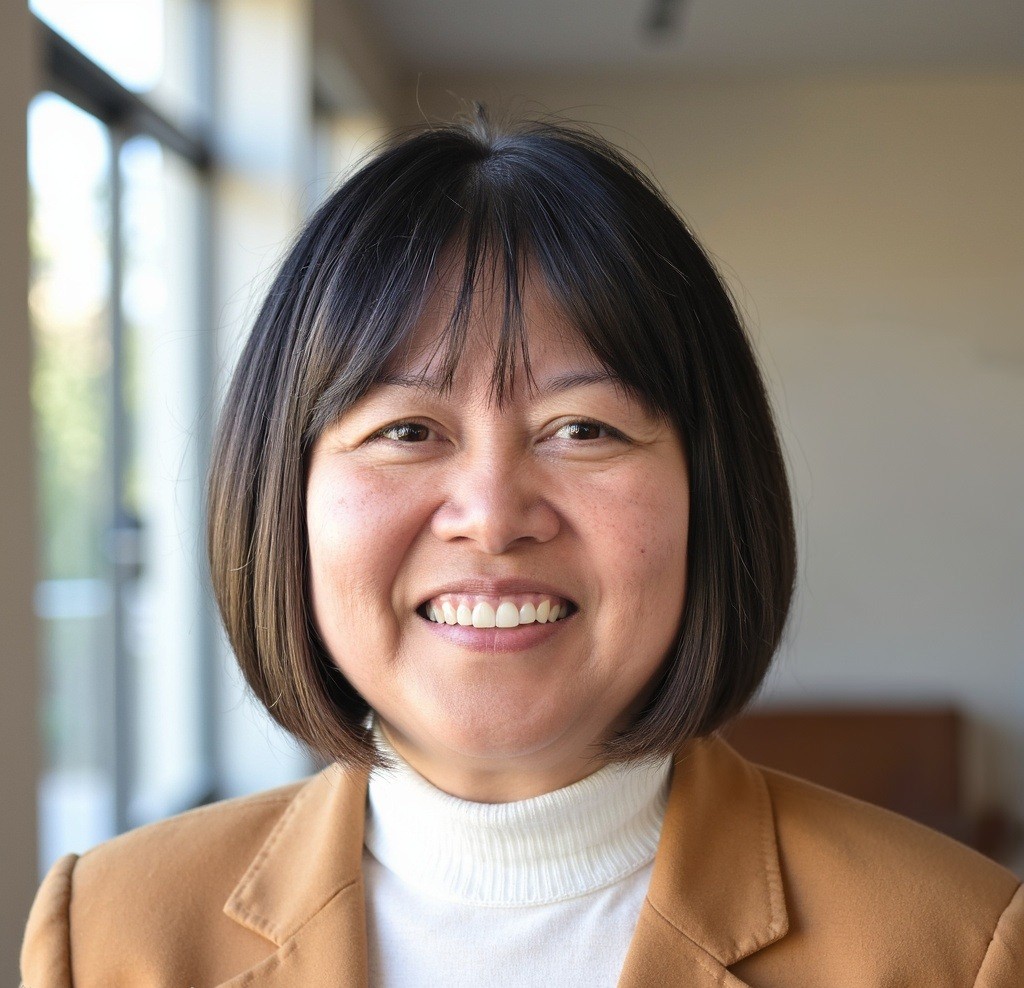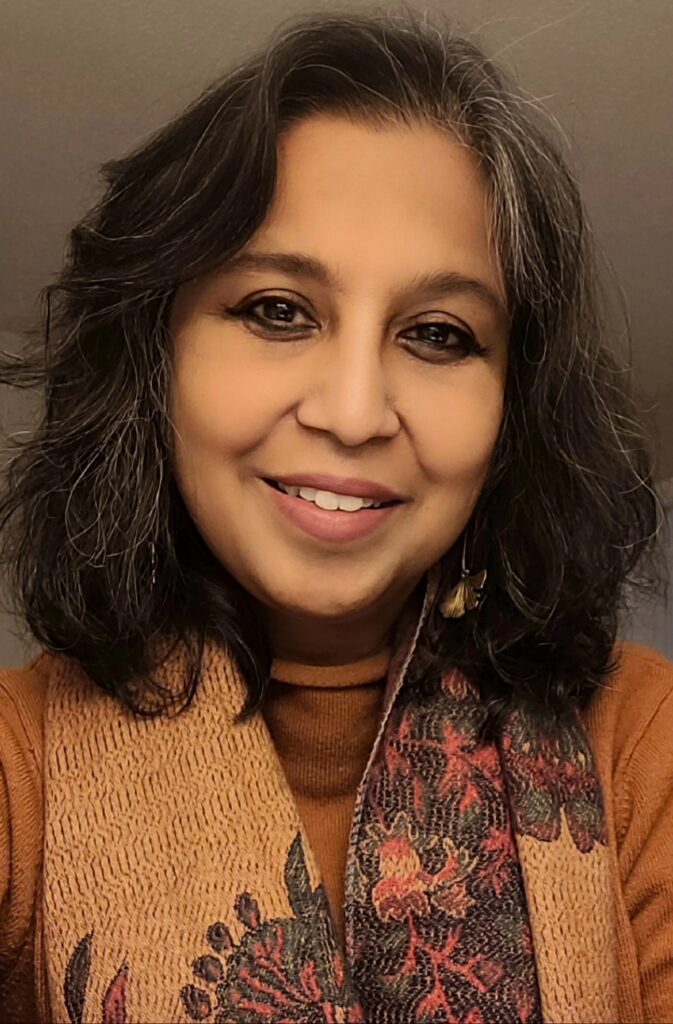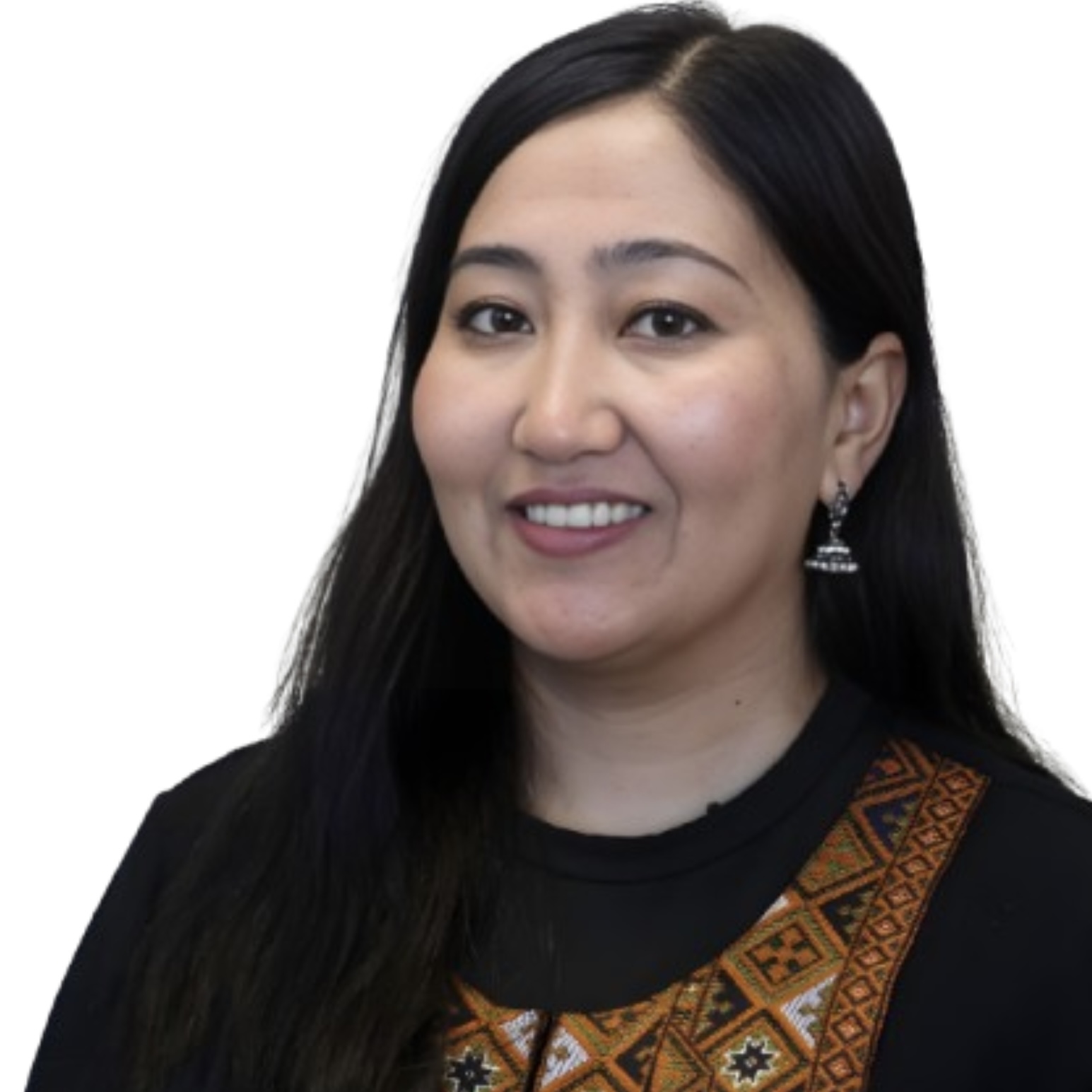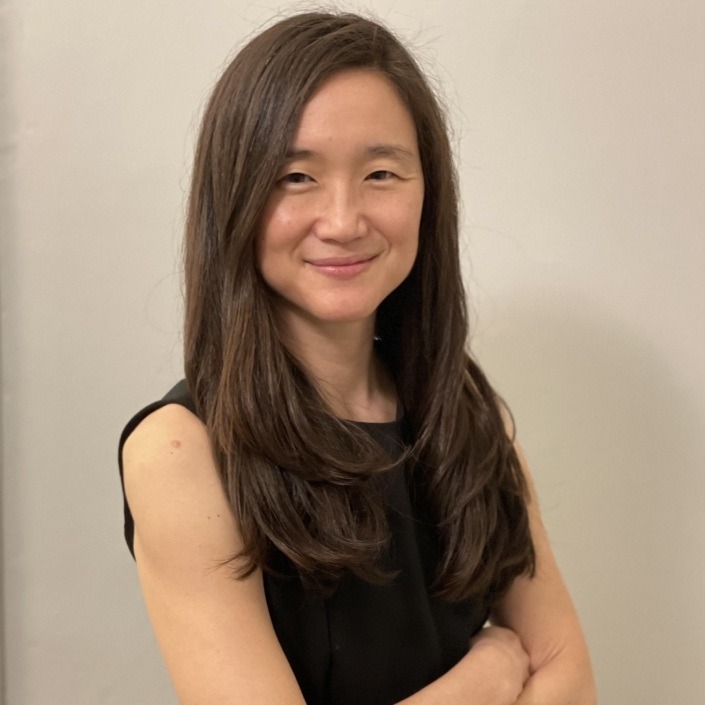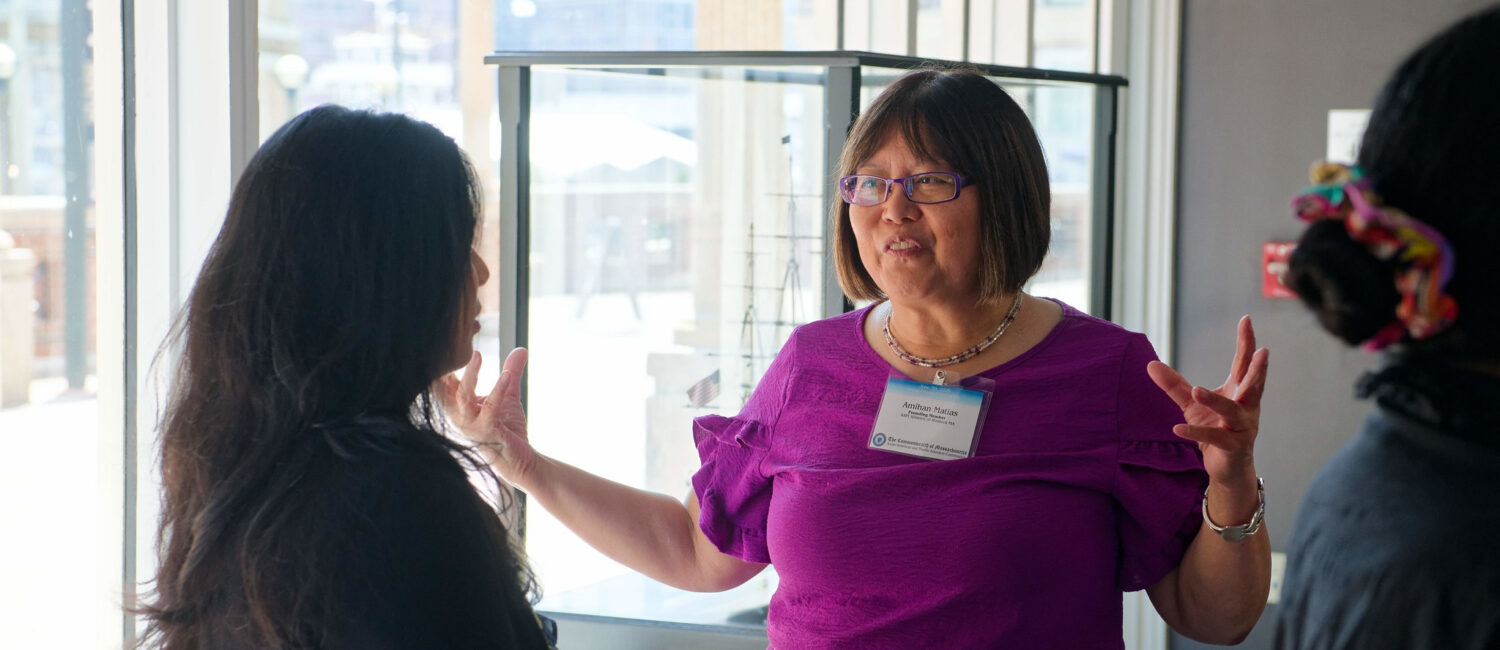
With more than 30 years of experience building and strengthening AAPI organizations and communities across Massachusetts, Matias brings a lifelong commitment to community building, coalition development, and immigrant and refugee rights to the state commission.
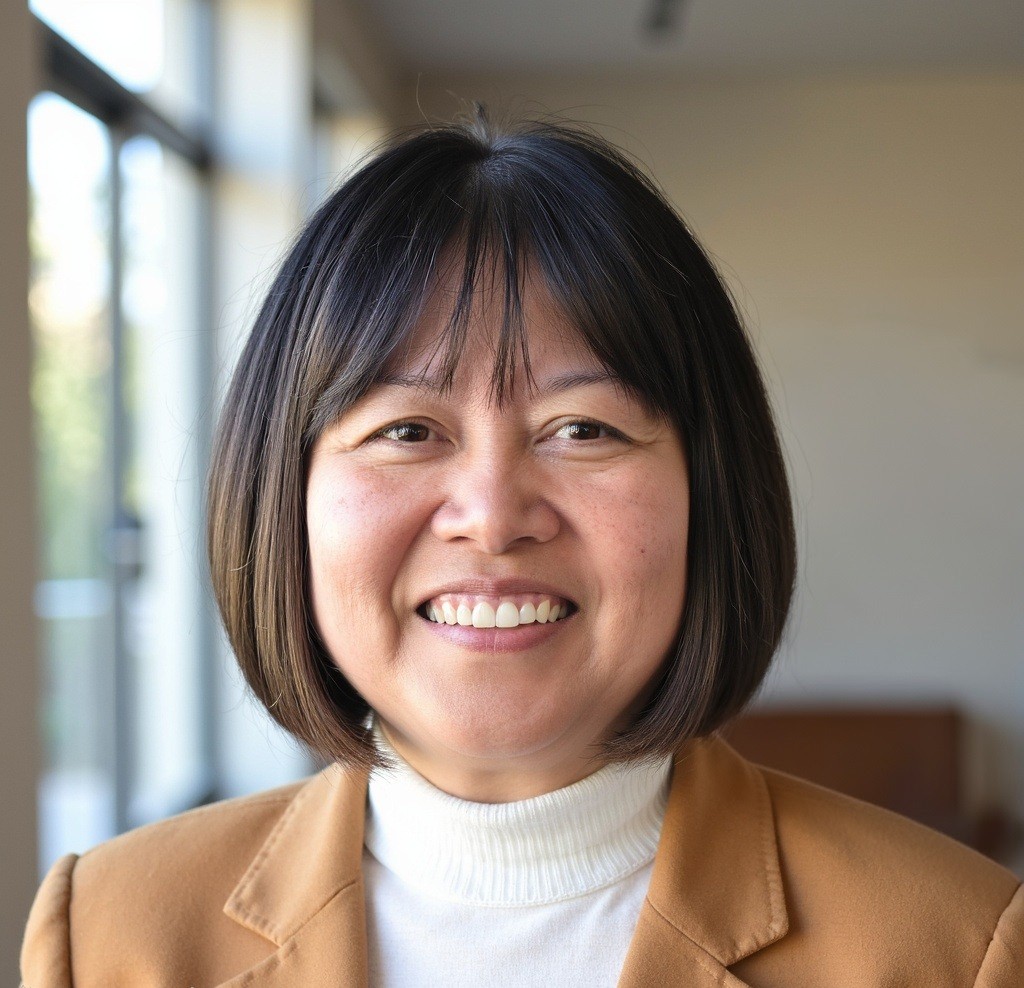
A New Chapter for AAPIC
The Massachusetts Asian American and Pacific Islanders Commission (AAPIC) is pleased to announce Amihan Matias as its new Executive Director, bringing more than three decades of community leadership, coalition building, and organizational development to the state commission.
For Matias, the opportunity to lead AAPIC comes at a consequential moment for Asian American and Pacific Islander communities across Massachusetts and the country.
Her decision to step into the role is deeply personal.
“I have dedicated most of my life to creating, supporting, and strengthening Asian and Pacific Islander American organizations and communities. Due to the anti-immigrant sentiment and policies that have taken root more powerfully in this country during this time, I feel even more compelled to protect the rights and safety, and uplift the voices, contributions, and humanity of our APIA communities.”
A mission-driven leader, community organizer, and movement builder, Matias brings more than 30 years of experience building grassroots coalitions, advancing immigrant and refugee rights, developing community leaders, and helping community-based organizations build the capacity to create lasting change.
She now brings that experience to AAPIC, with a particular understanding of what it takes to build trust across communities, connect people around shared concerns, and ensure that community knowledge can inform institutional action.
Reaching the Communities We Don’t Always Hear From
One of the opportunities Matias sees in her new role is to strengthen solidarity and connection among Massachusetts’ diverse AAPI communities—and to build deeper relationships with communities that have historically been harder for public institutions to reach.
Massachusetts’ AAPI communities represent a remarkable range of cultures, languages, histories, generations, immigration experiences, and socioeconomic circumstances. Some communities have longstanding relationships with public institutions and established avenues for civic engagement. Others may be less visible in traditional policy conversations or face barriers to participating in them.
Matias hopes to help build the relationships and trust necessary to hear from those communities more deeply.
“While in this role, I hope to support more solidarity and connection among our diverse APIA communities. I would like to engage communities that are most disadvantaged through community-based participatory research that will help us to establish connections and trust with these communities so that we can understand their needs and concerns more deeply. From there, we can do our part as a Commission to advocate for those needs.”
For Matias, community-based participatory research offers one possible way to do that: by engaging community members as partners in understanding their own experiences, identifying concerns, and helping shape the questions that matter.
The goal is not simply to gather more data. It is to build relationships strong enough for communities to help inform the Commission’s understanding of the issues affecting them—and, ultimately, its advocacy.
That approach reflects a principle that has run throughout Matias’ career: listen first, build trust, and create the conditions for communities to shape the work intended to serve them.
Connecting Diverse Communities
Building stronger connections across AAPI communities is especially important in a Commonwealth where the term “AAPI” encompasses communities with vastly different histories, identities, languages, immigration experiences, and relationships to government and other institutions.
Matias sees those differences not only as a challenge, but as an opportunity to build greater solidarity.
Her experience has taught her that meaningful coalitions require people to have opportunities to listen to one another, recognize shared concerns, and find ways to act together.
That experience will inform how she approaches her role at AAPIC.
Leading With Kapwa
“A cultural value that I hold dear is the concept of kapwa, the Filipino word for community. It is the core belief that we are inextricably linked in our humanity and that we belong to each other, and therefore must care for each other.”
That sense of shared humanity has shaped Matias’ approach to community and leadership throughout her career—and will continue to inform how she approaches her work at AAPIC.
A Career Rooted in Community
Matias has spent her career building the relationships, organizations, and infrastructure that make community-led change possible.
She is a founder of Massachusetts Asian and Pacific Islanders (MAP) for Health and the AAPI Alliance of Western Massachusetts. She has served on the board of the Asian American Resource Workshop and the steering committee of the Asian and Pacific Islander Women’s Social Justice Project, and led the founding of the Jasmine Asian Women’s Giving Circle in partnership with the Boston Women’s Fund and Haymarket People’s Fund.
At the Massachusetts Immigrant and Refugee Advocacy (MIRA) Coalition, Matias helped to lead a statewide immigrant rights initiative focused on welcoming immigrants and refugees and supporting their positive integration into communities across Massachusetts.
Her leadership has also focused on strengthening the organizations and leaders behind community change. She has served as Senior Director of Community Partnerships at The Women’s Fund of Western Massachusetts, Associate Director and founding board member of the Sojourner Truth School for Social Change Leadership, and Director of the Management Assistance Program at Justice Resource Institute, where she built nationally recognized programs focused on BIPOC leadership development, racial equity, and organizational capacity building for community-based nonprofits throughout Massachusetts.
Across those roles, a consistent theme has shaped her work:
Strong communities need strong relationships, strong leaders, and strong organizations.
That experience now gives Matias a distinctive perspective as she steps into a role connecting community organizations, residents, advocates, and state government.
Looking Ahead
Matias steps into the role with a career grounded in community organizing, coalition building, and a deep understanding of the relationships that make lasting change possible.
At AAPIC, she hopes to build on that experience by deepening connections across Massachusetts’ diverse AAPI communities and reaching communities that have historically been harder for public institutions to engage.
For Matias, that work begins with listening—but it is ultimately about what comes next: turning what communities share into stronger understanding, stronger connections, and meaningful advocacy.
As she begins her tenure, Matias looks forward to working with commissioners, community organizations, public officials, advocates, and residents across the Commonwealth to strengthen AAPIC’s connection to the communities it serves.
The next chapter starts with listening—and with making sure more voices are part of the conversation.
About Amihan Matias
Amihan Matias is a mission-driven leader, community organizer, and movement builder with more than 30 years of experience building grassroots coalitions and strengthening community-based, social change organizations across Massachusetts. Deeply rooted in AAPI communities, she has founded and led AAPI organizations and advanced immigrant and refugee rights and inclusion throughout the Commonwealth.
Matias holds a social work degree from Salem State University and a graduate certificate in nonprofit management from Boston University’s School of Management. She also studied intercultural communication and mediation at Lesley University. She is a certified mediator in Massachusetts and a certified racial equity trainer through the Equity Institute in California and Empowering Multicultural Initiatives in Massachusetts.