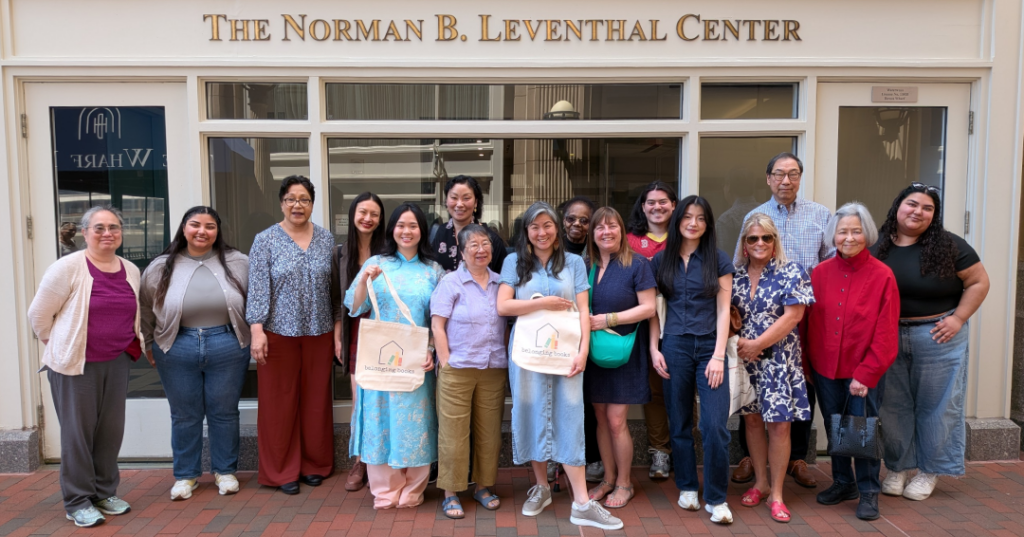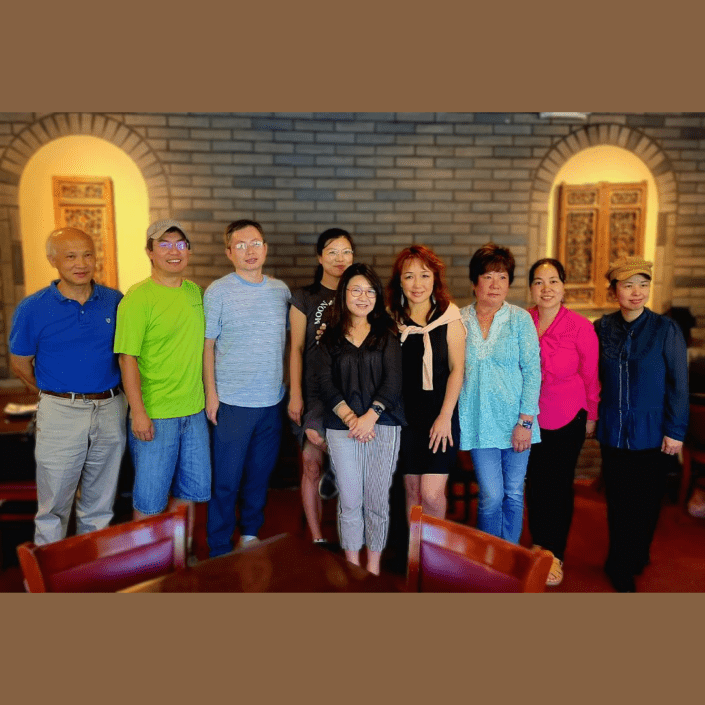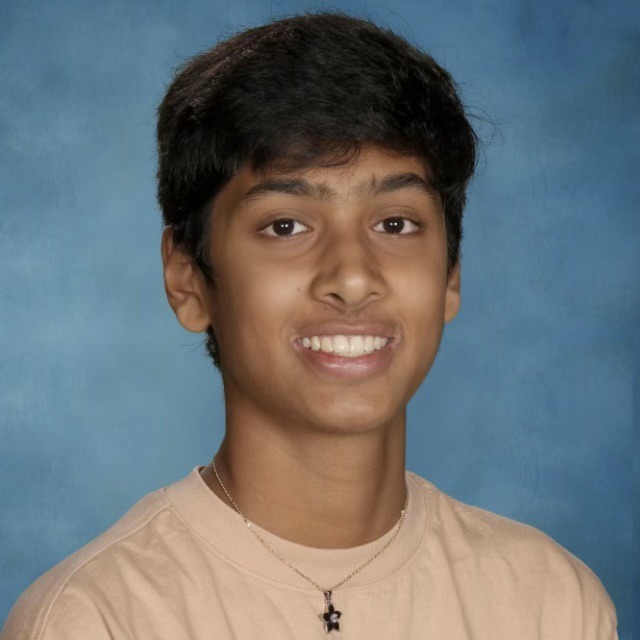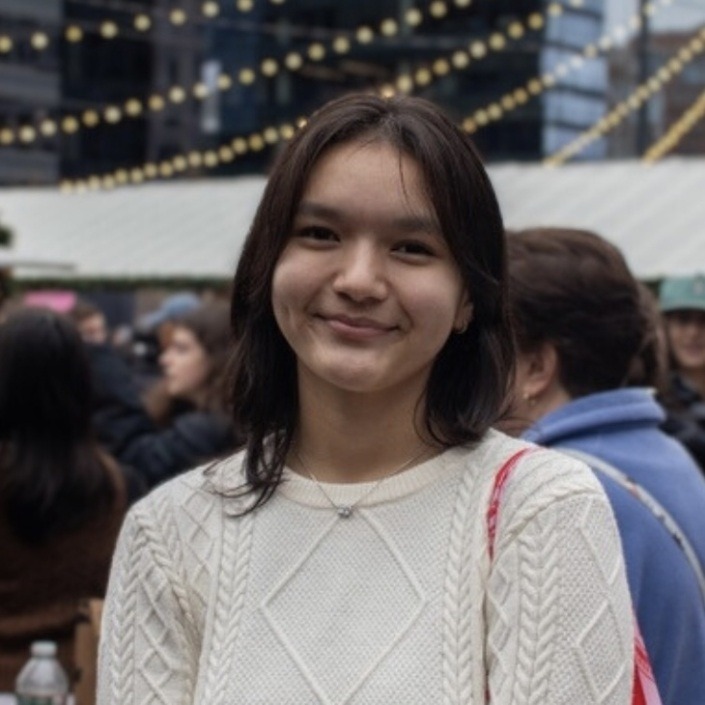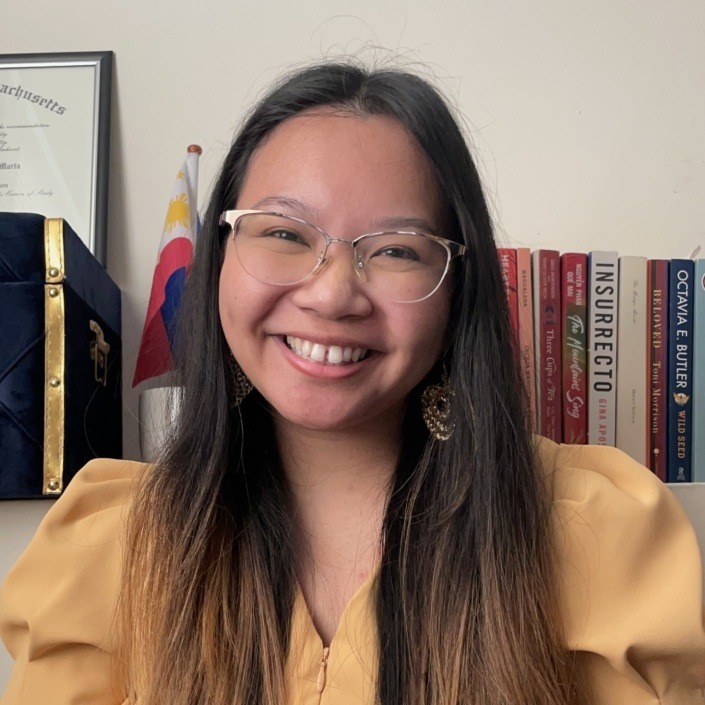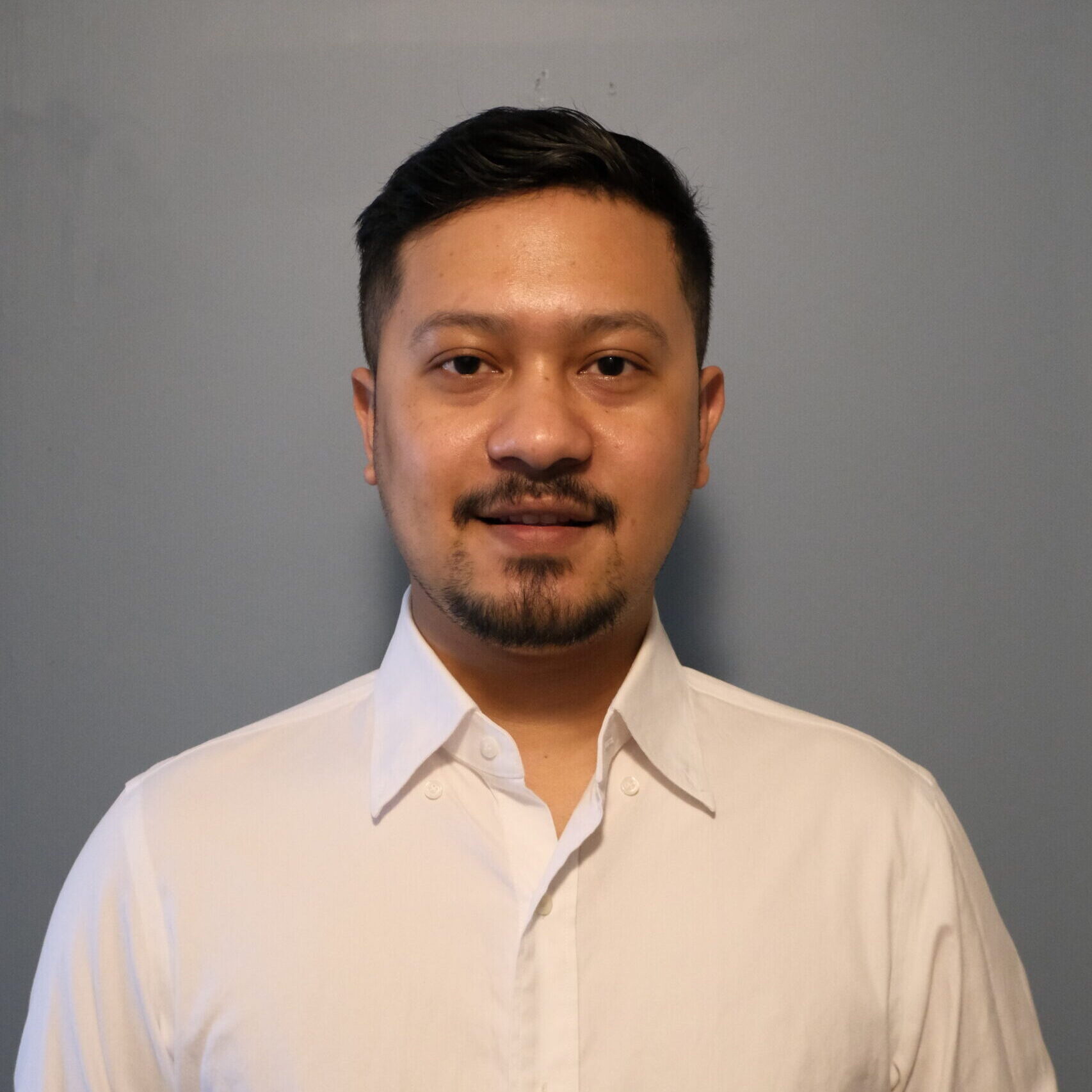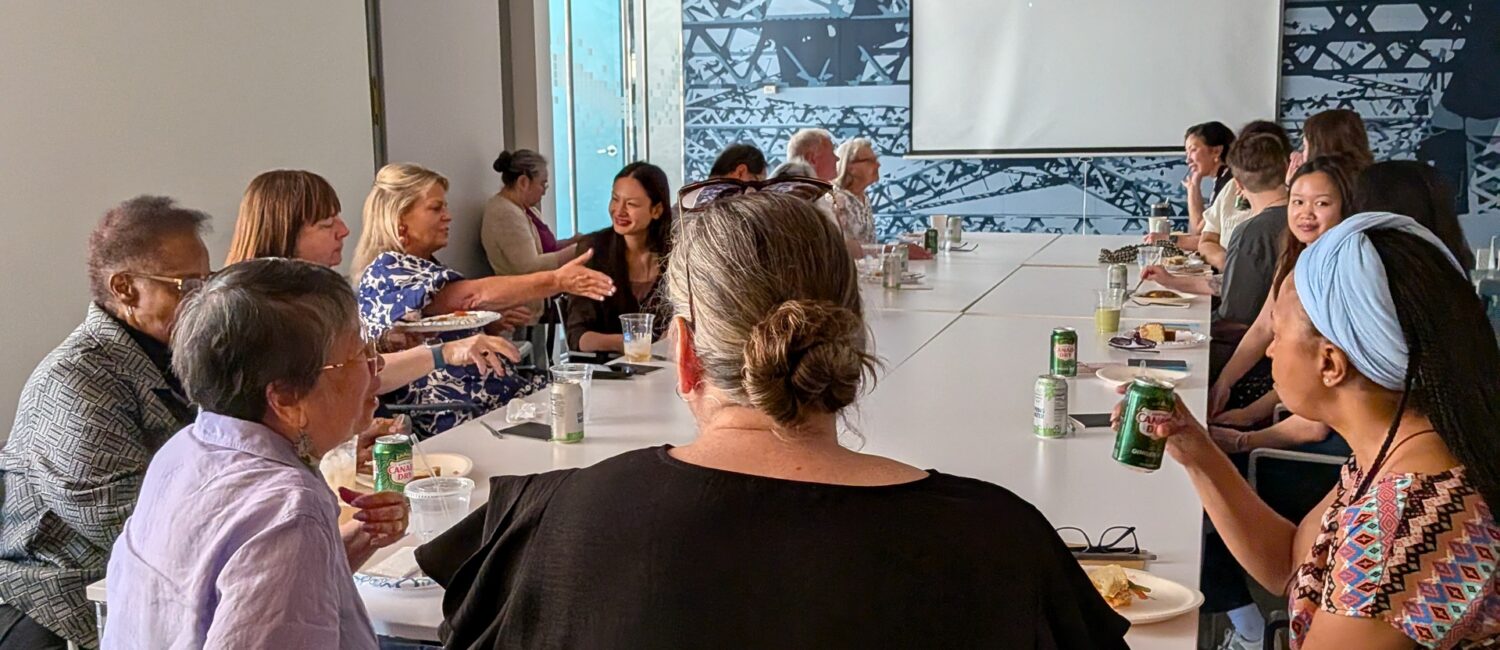
On Cape Cod, where Asians make up less than 2% of the year-round population according to the census, questions of belonging are often shaped by visibility—or the lack of it. AAPIC recently hosted a community screening ofUnerased: Asian Voices of Cape Cod and panel conversation in Boston, inviting attendees to reflect on what it means to grow up, live, and raise families in places where Asian American and immigrant voices have too often been absent from the broader narrative.
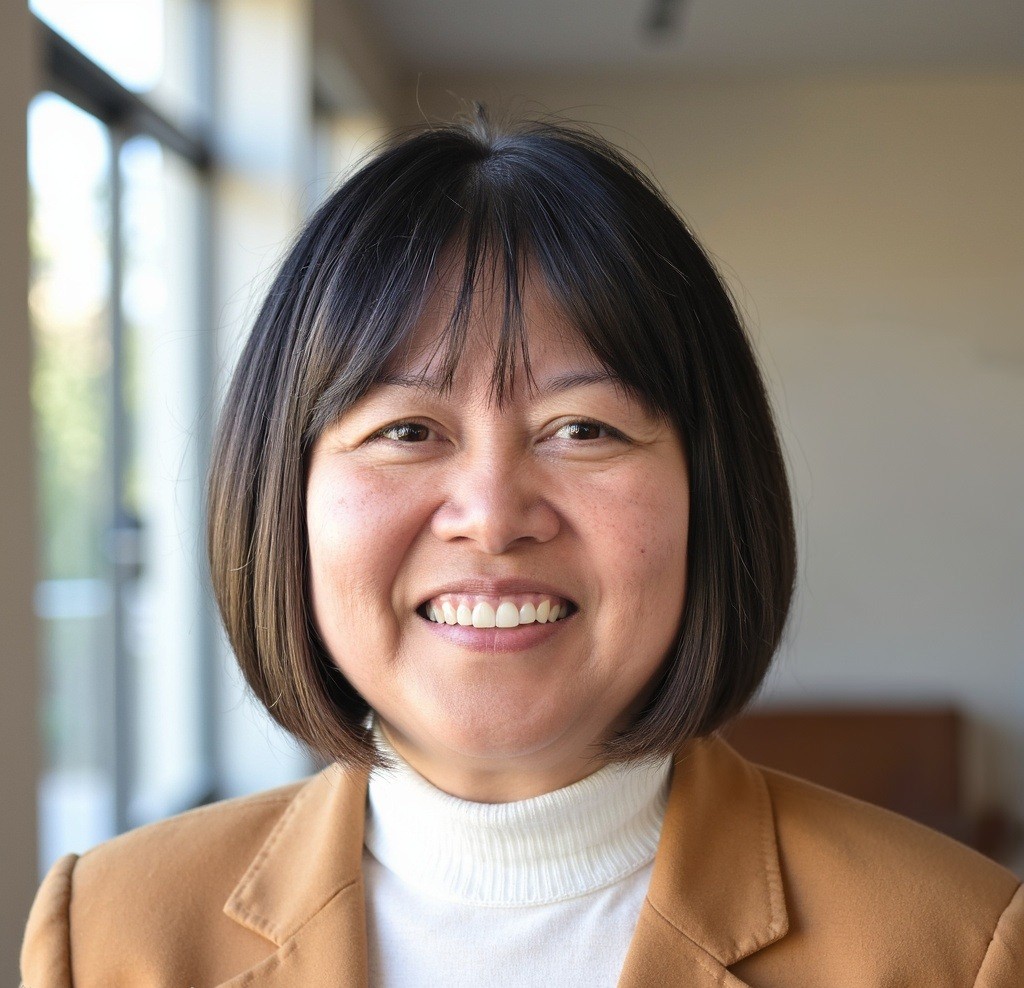
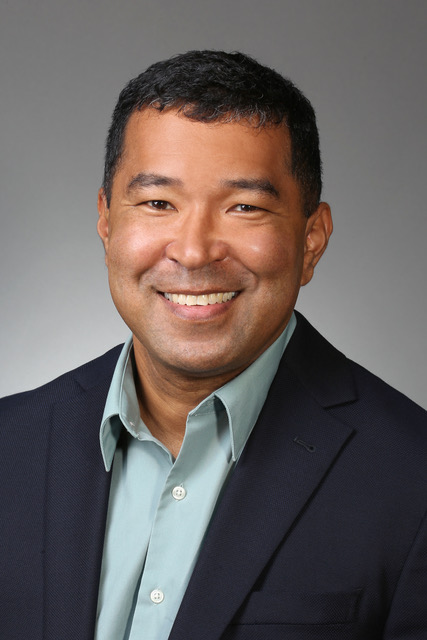
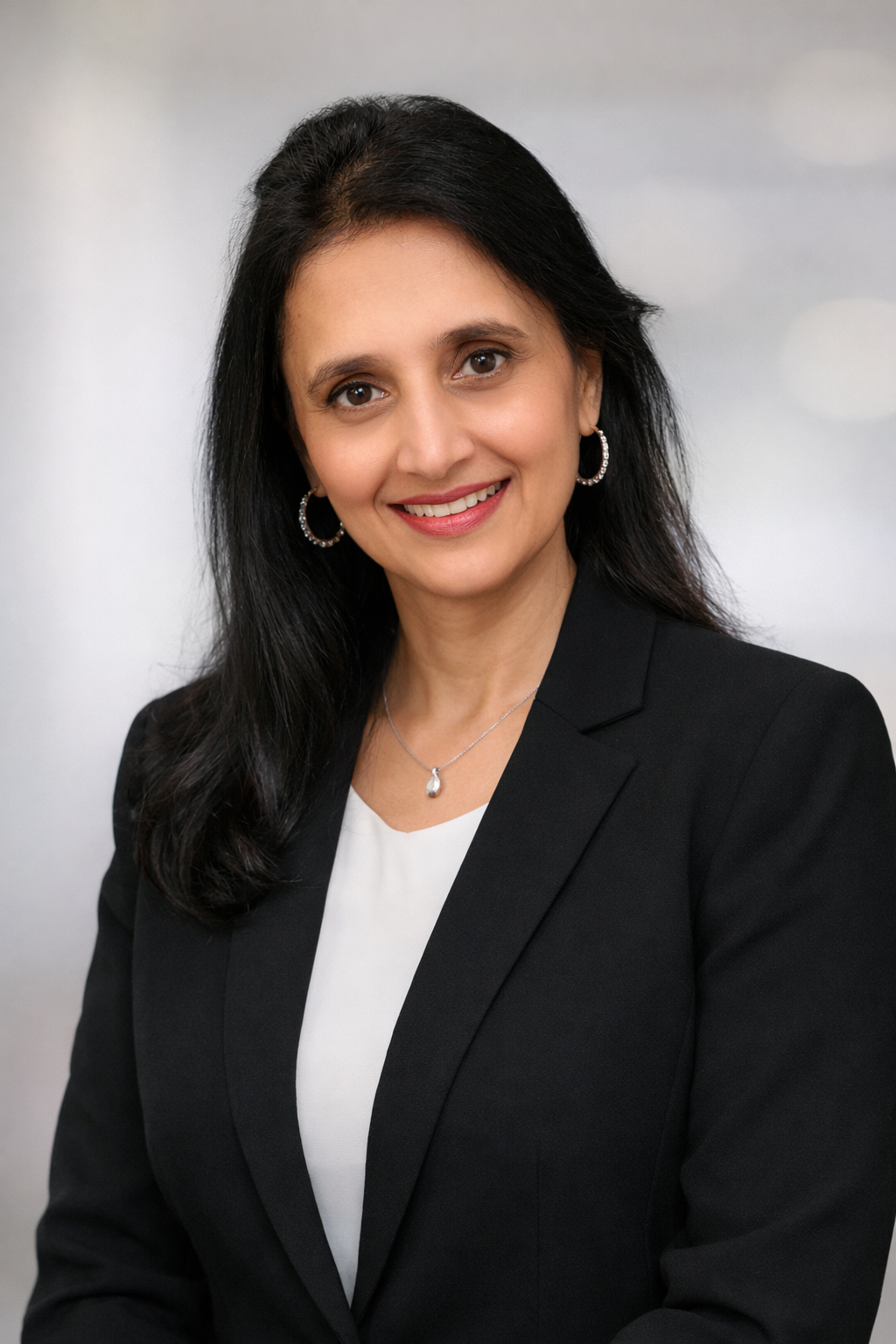
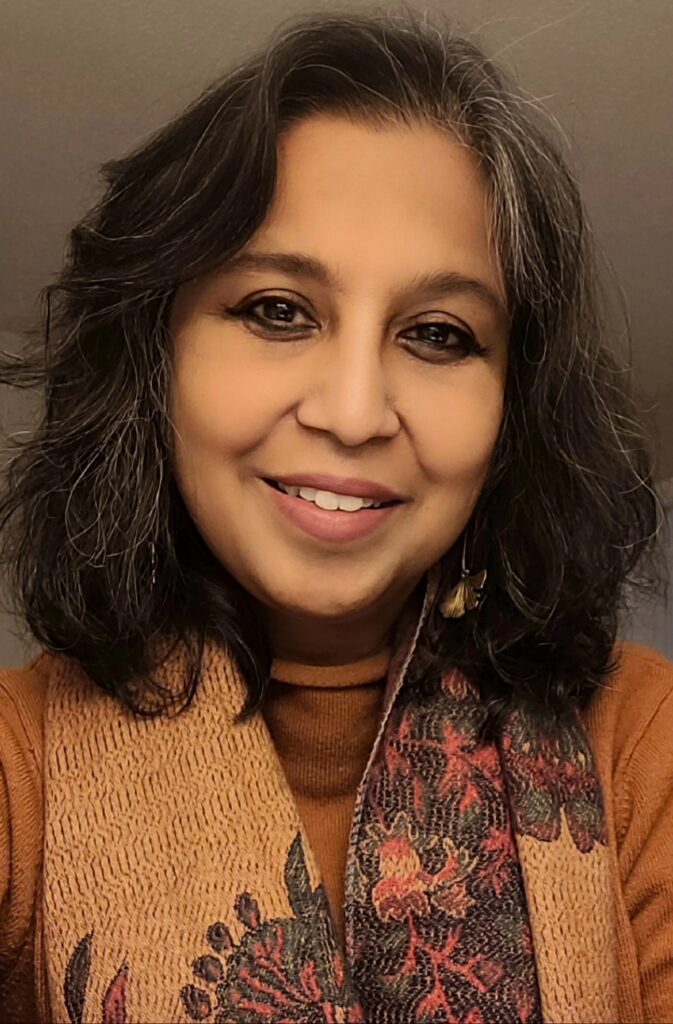
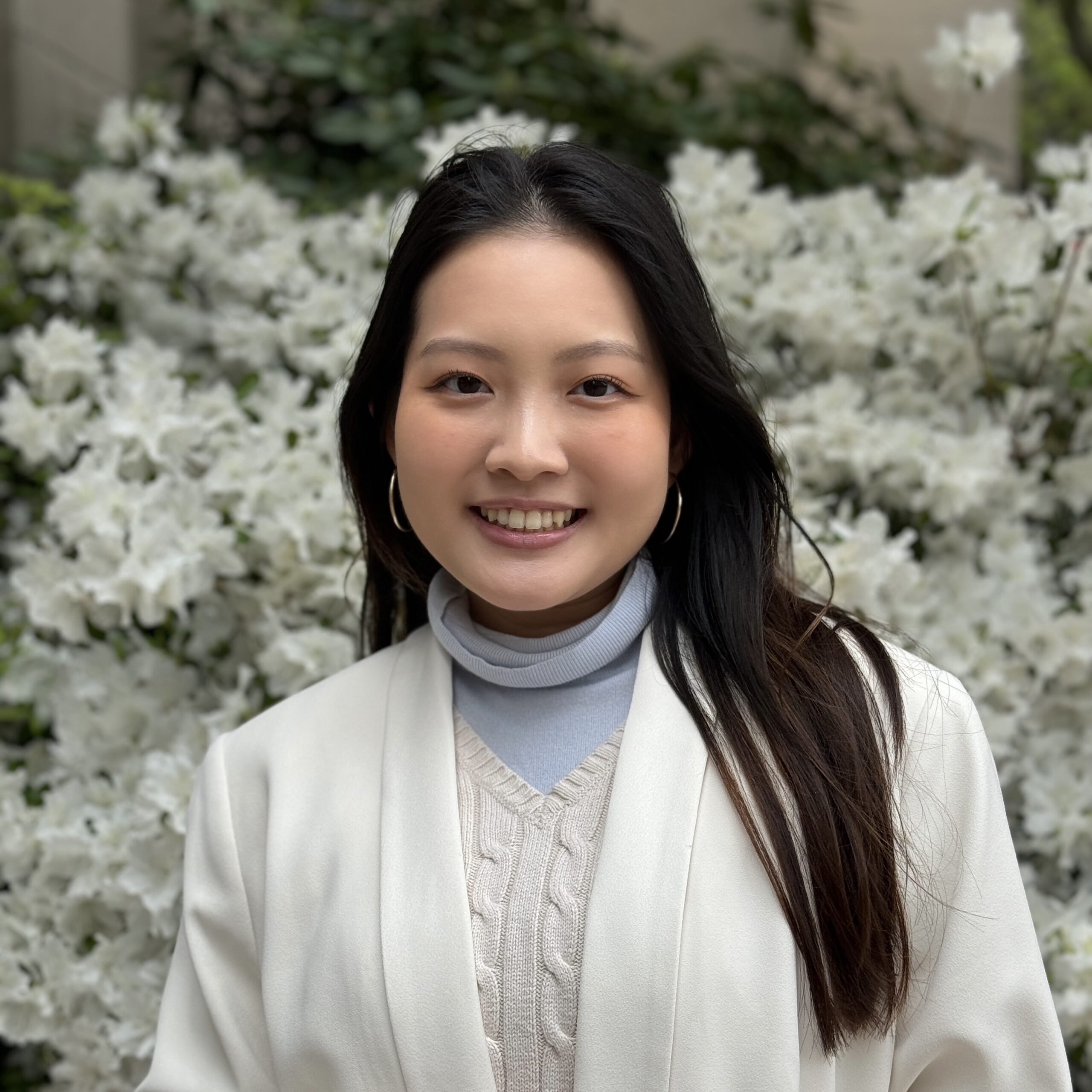
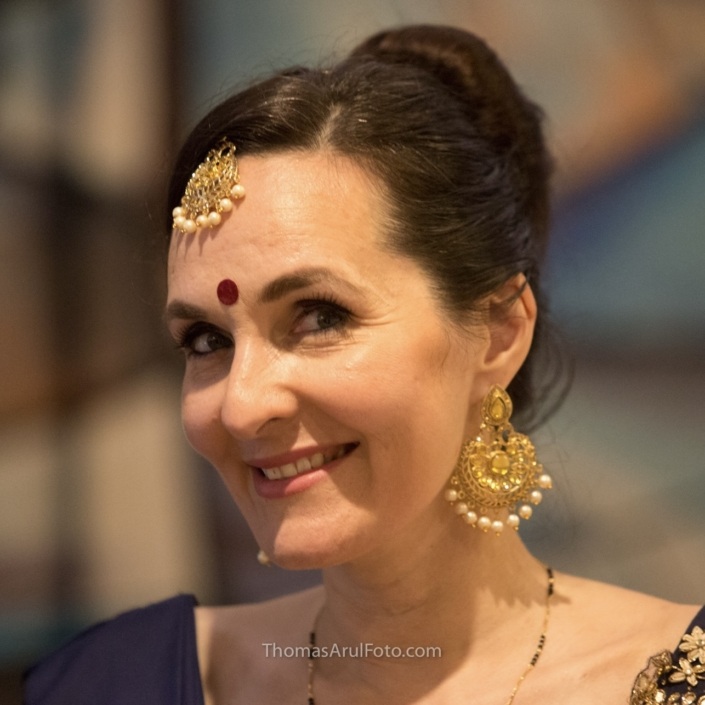
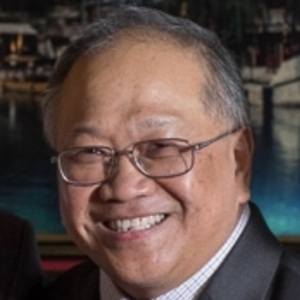
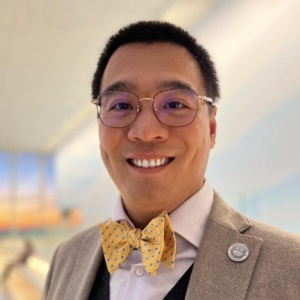
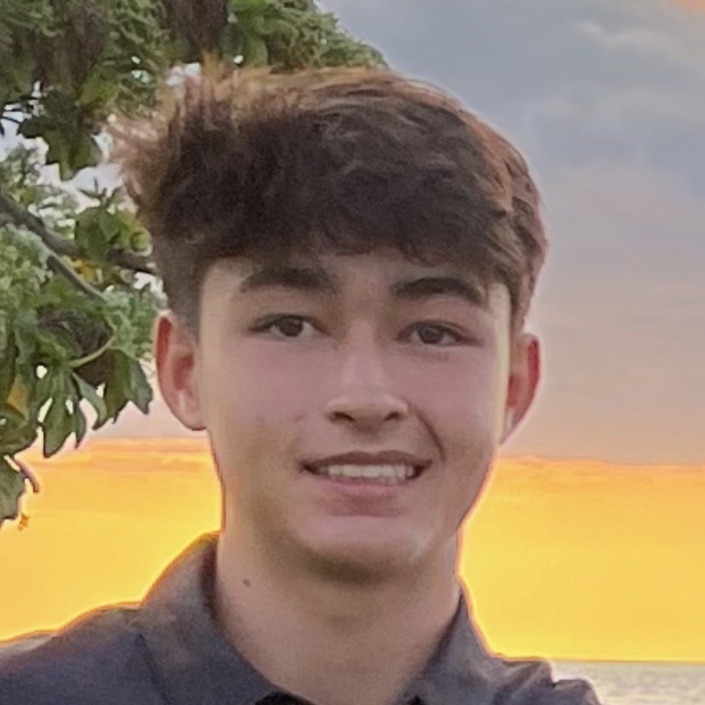
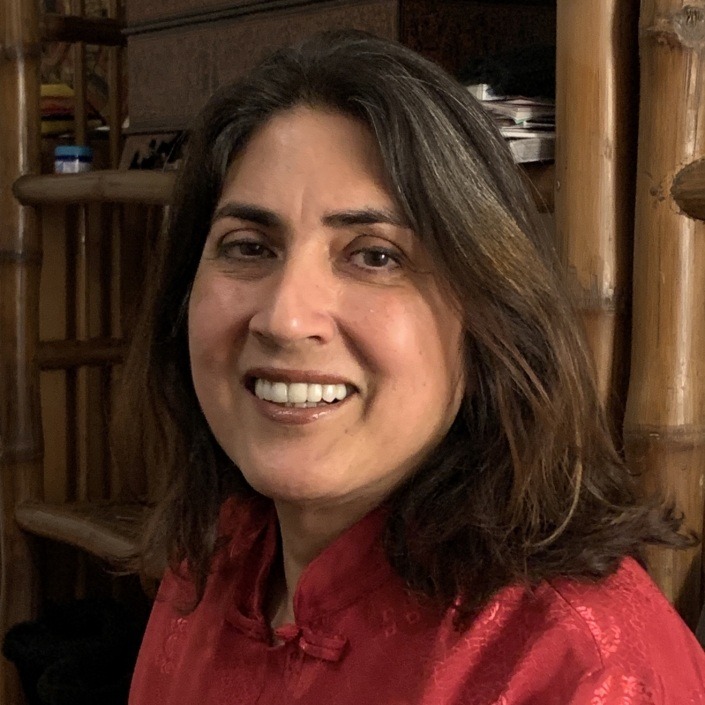
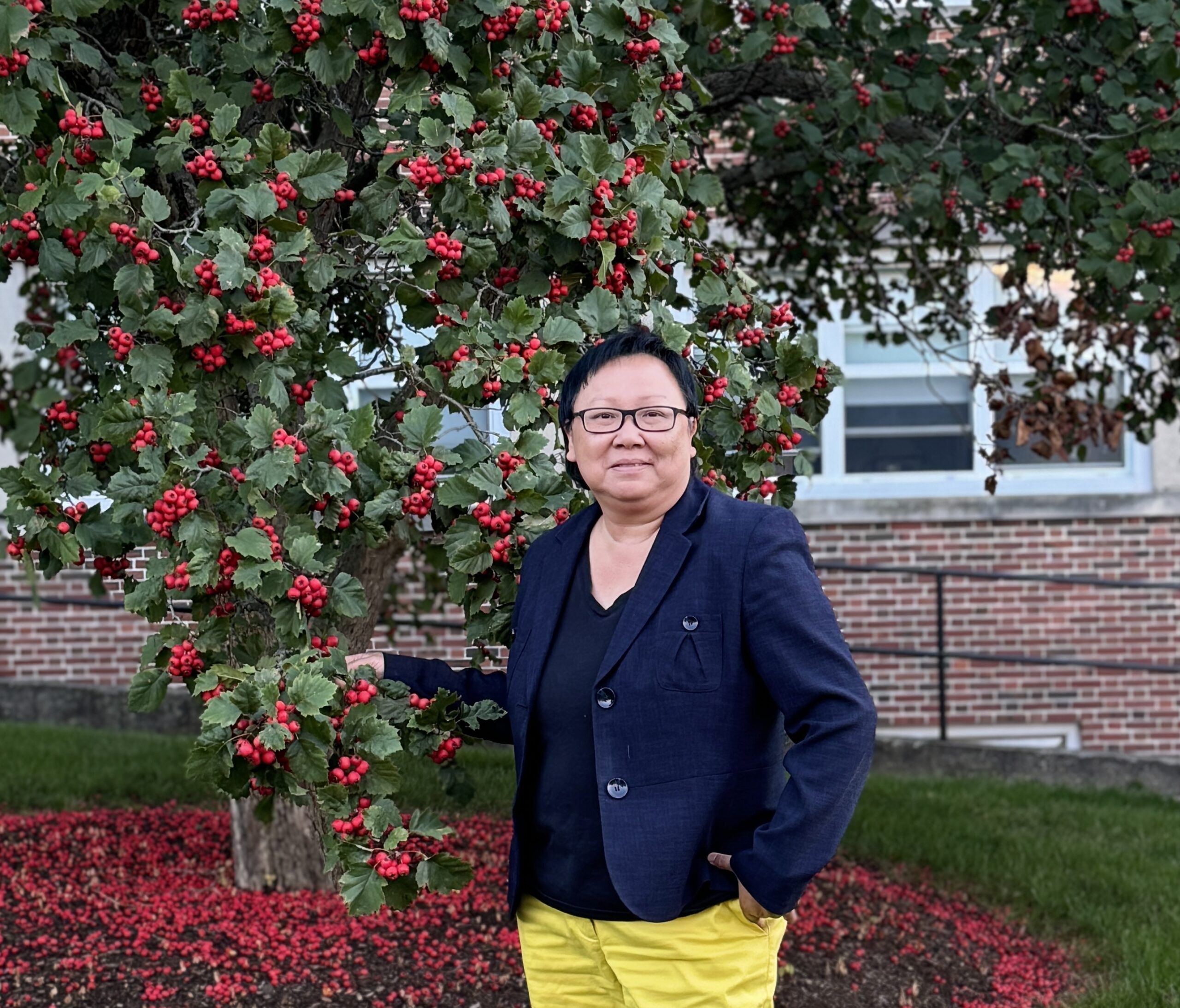
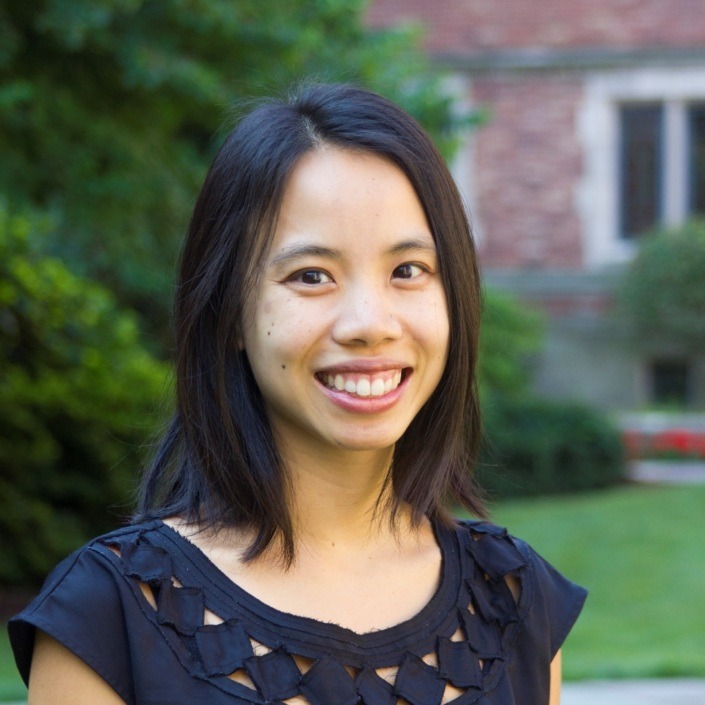
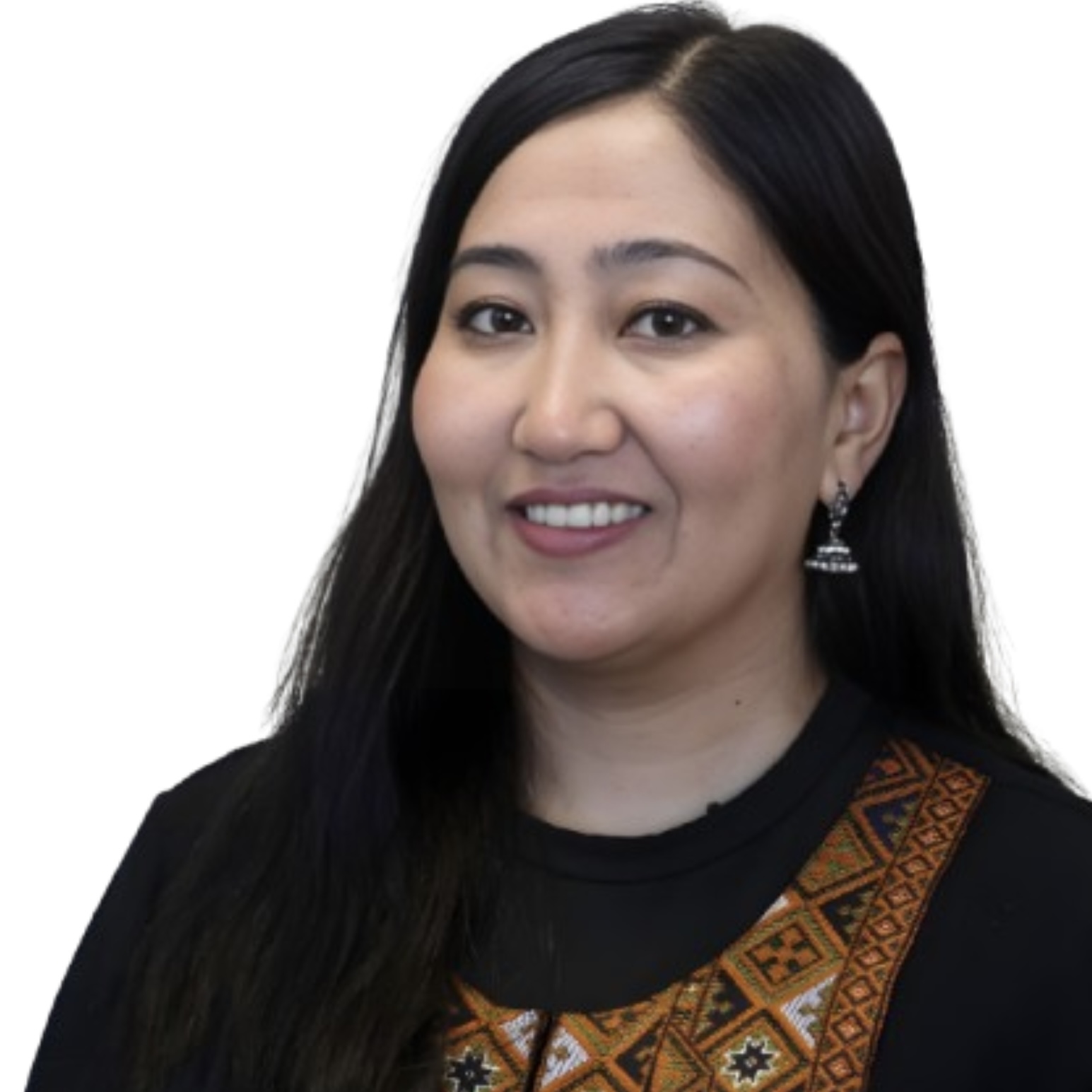
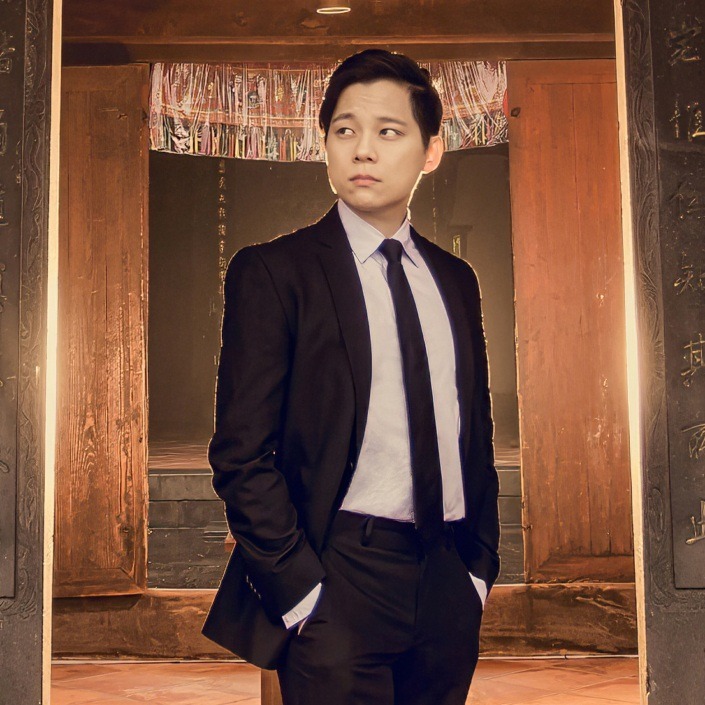
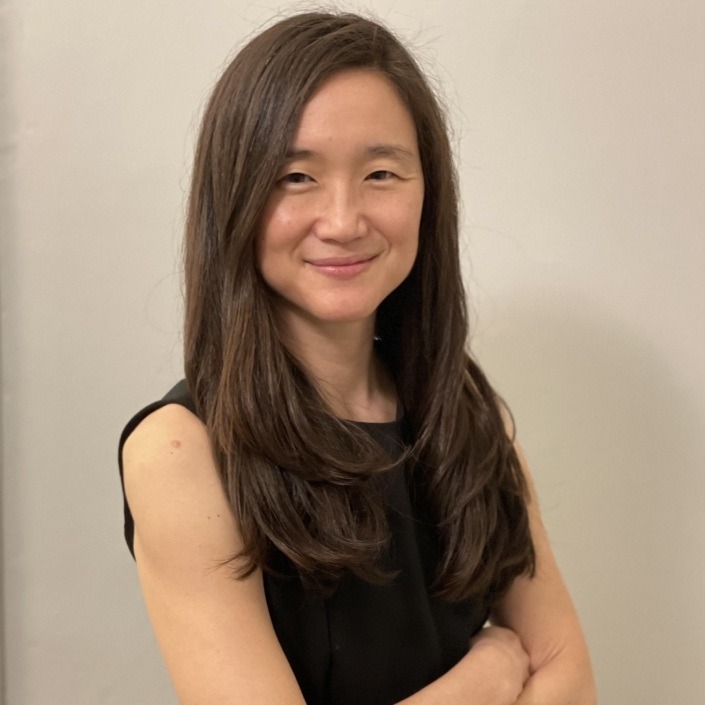
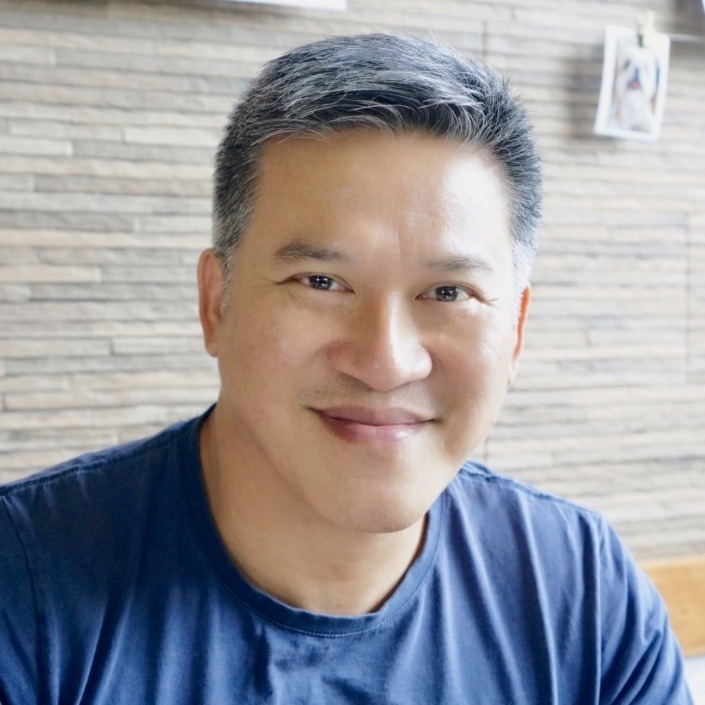
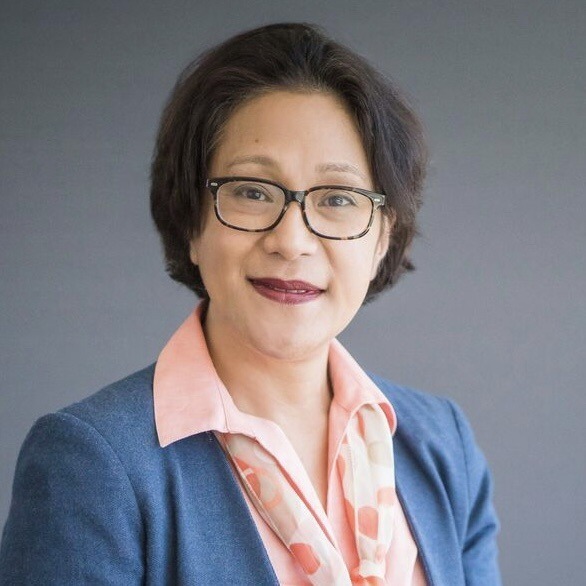
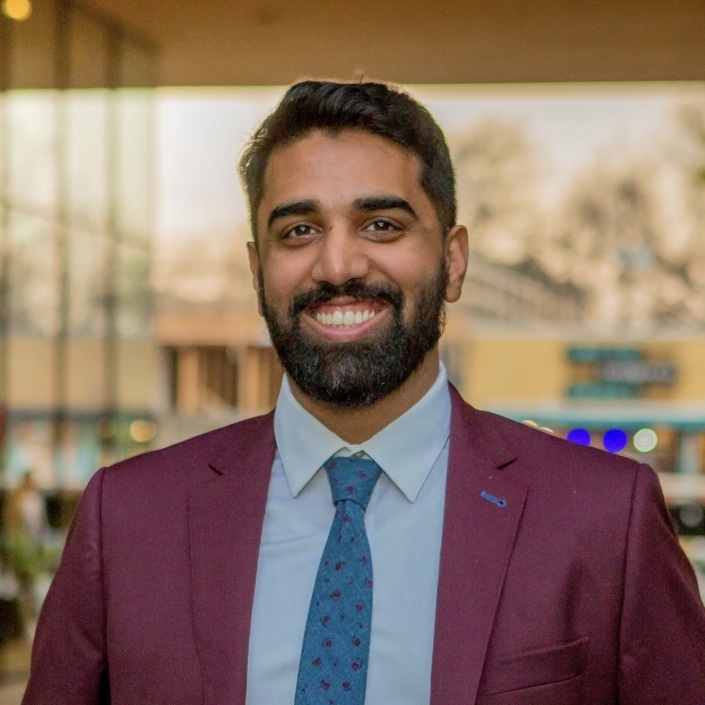
Erica Tso Haidas, co-creator of Unerased—a cultural commentary on being Asian in “white-centric, small-town America”—joined panelists Marie Enochty and Josie Sigel, both of whom appeared in the film, for a conversation about identity, invisibility, and finding connection in communities where many grew up feeling like outsiders.
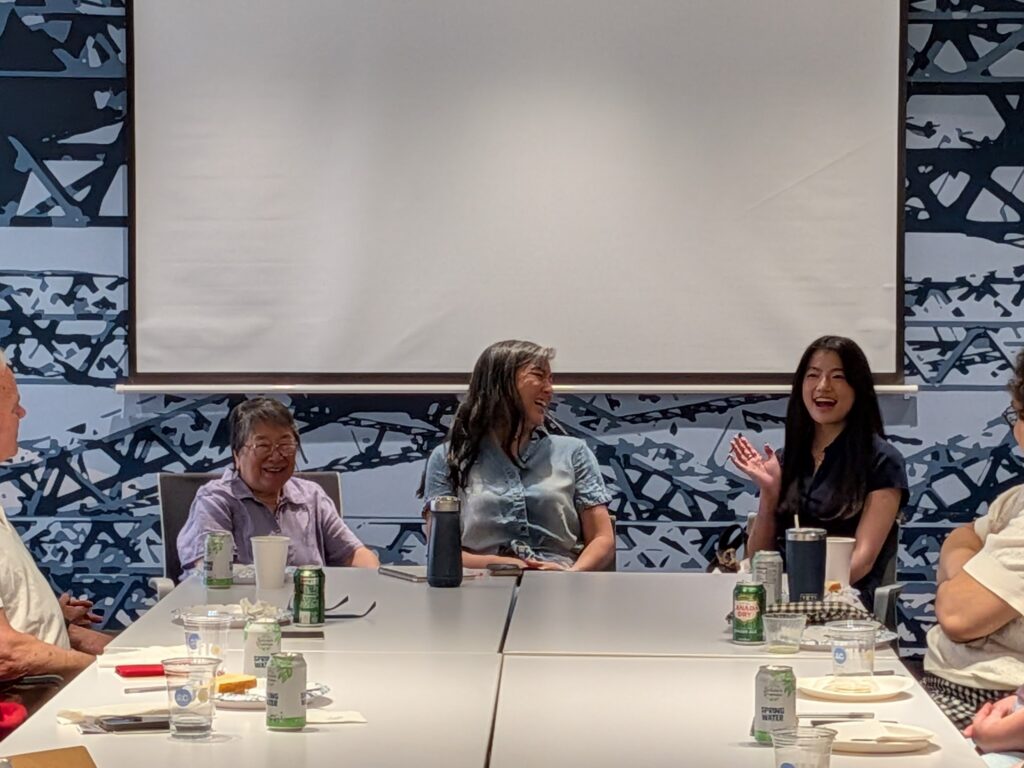
Throughout the discussion, participants reflected on how Asian American experiences in predominantly white communities are often flattened or overlooked, despite being shaped by migration, adoption, mixed identities, language loss and reclamation, and generational change. Many spoke about the impact of stereotypes and model minority expectations, as well as the lingering feeling of being seen only through a narrow or incomplete lens.
Others shared how storytelling, food, cultural practice, and community spaces—like bookstores, film screenings, and local gatherings—have become anchors of belonging, offering places where people can show up fully, without explanation or translation. Josie noted that these spaces can help people realize: “I’m not the only one who felt this way.”
For AAPIC, conversations like these are an important reminder that community experiences are not always reflected in broader public narratives or policy conversations. Creating space to listen helps deepen our understanding of the visibility, representation, and support AAPI communities need across Massachusetts.